


Yorkshire Industrial & Logistics | Summary & photos
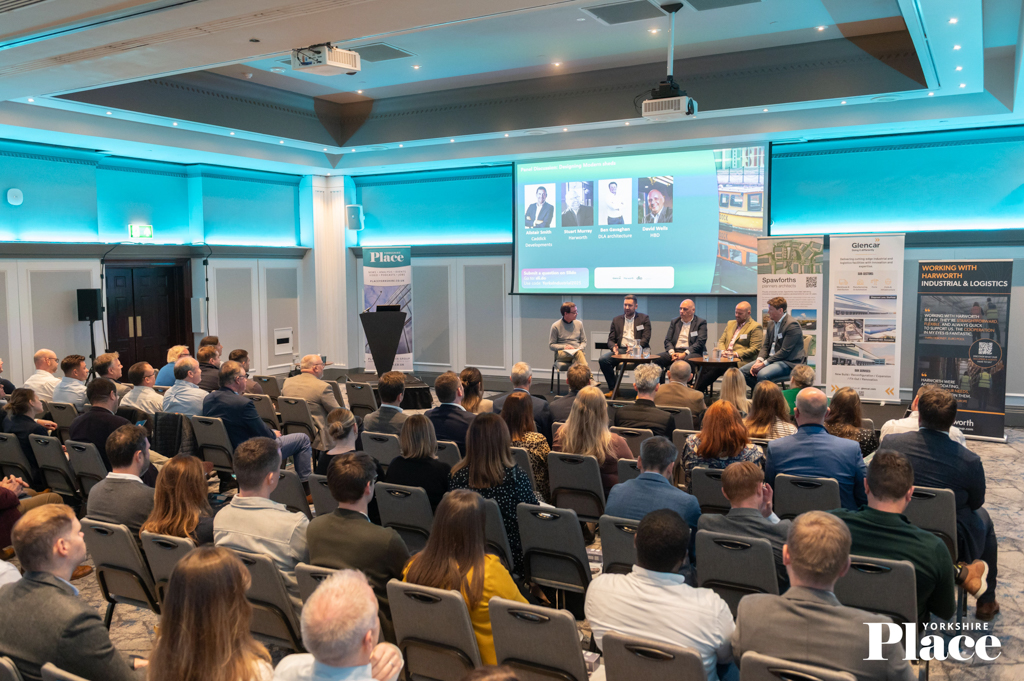
Place Yorkshire’s popular industry event returned to Leeds for another year, this time sponsored by Glencar, DLA Architecture, Spawforths, and Harworth.
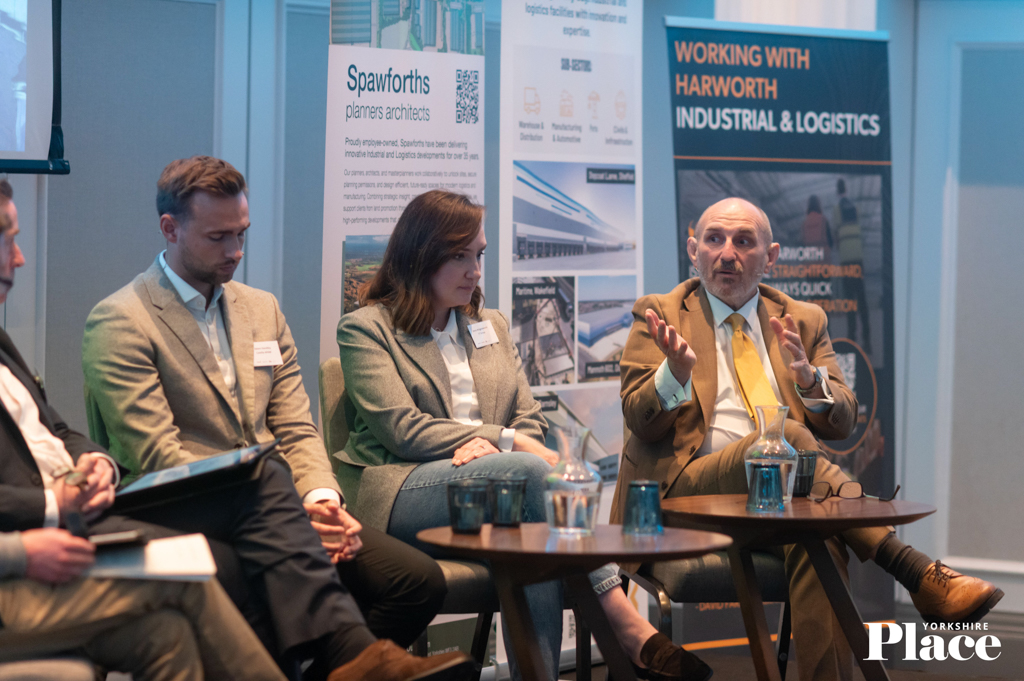
Speakers in the first half explored sustainable construction, evolving client needs, and regional development, with key themes including reducing embodied carbon through early design-stage collaboration, and growing demand for flexible, high-quality work environments.
Part two saw investment opportunities in Doncaster, East Yorkshire, and the Humber Freeport highlighted, with major industrial sites like iPort and Gateway East offering strategic connectivity and the Humber Freeport’s tax and customs incentives unlocking up to 7,000 jobs and £4bn in investment. Meanwhile, panelists emphasised the need for joined-up planning, infrastructure upgrades, and long-term investment to meet rising demand for industrial and logistics space across the region.

Expert speakers
- Ben Gavaghan, director, DLA Architecture
- Grigory Grebennikov, carbon manager, Glencar
- Alistair Smith, director, Caddick Developments
- Stuart Murray, national customer development and leasing director, Harworth
- Bekki Banks, inward investment project manager, Invest East Yorkshire
- David Wells, director, HBD
- Alex Dochery, investment team manager, Business Doncaster
- Richard Beason, head of investment, Humber freeport
- Anna Wrigglesworth, director, CT Group
- Adam Handley, asset manager, Catella APAM
- Richard Beason, head of investment, Humber freeport
- David Rolinson, chairman, Spawforths
Designing modern sheds
-
Early consideration of embodied carbon in concept design can lead to significant cost savings and more efficient project outcomes.
-
UK Government targets for net zero carbon by 2050 – and the anticipated regulation around embodied carbon by 2035 – are creating a shift in project design and delivery priorities.
-
In-house software tools that assess embodied carbon from cradle-to-grave are becoming essential for compliance and competitive advantage.
-
Use of recycled and low-carbon materials (e.g., reused steelwork, HVO fuel, biogenic cladding) is gaining traction as clients and investors demand greener supply chains.
-
Design strategies such as minimising material use, maximising standardisation, and optimising commercial layouts are effective in reducing carbon and improving ROI.
-
Monitoring and managing carbon emissions during construction, including Scope 1, 2, and 3, is becoming a standard requirement for responsible contractors.
-
Client expectations are shifting toward more sustainable, staff-friendly environments, even in industrial and logistics projects, influencing design and site planning.
-
Sustainability is no longer optional – investors, occupiers, and funders are all applying pressure for measurable environmental performance.
-
Challenges remain in reducing carbon in foundational elements (e.g., slabs, reinforcements), but innovation in materials and techniques is emerging to address them.
-
Planning requirements around Biodiversity Net Gain are inconsistent but growing; early engagement with planners and offset strategies are crucial for project approvals.
‘The region has experienced a strong period of growth. While there are always some vulnerabilities, the industrial sector here is outperforming every other region in the UK. There’s a strong appetite from occupiers looking to move into the area, but supply isn’t keeping pace – especially when it comes to the development pipeline. Currently, there’s less than a year’s worth of availability, which is going to create real constraints. In this industry.’ Adam Handley, Catella APAM
Market dynamics
-
East Yorkshire’s I&L strengths lie in its connectivity by road, rail, sea, and air; the Humber Freeport and key industrial parks; its skilled workforce, robust economy, and supportive business environment; and its potential for future growth.
-
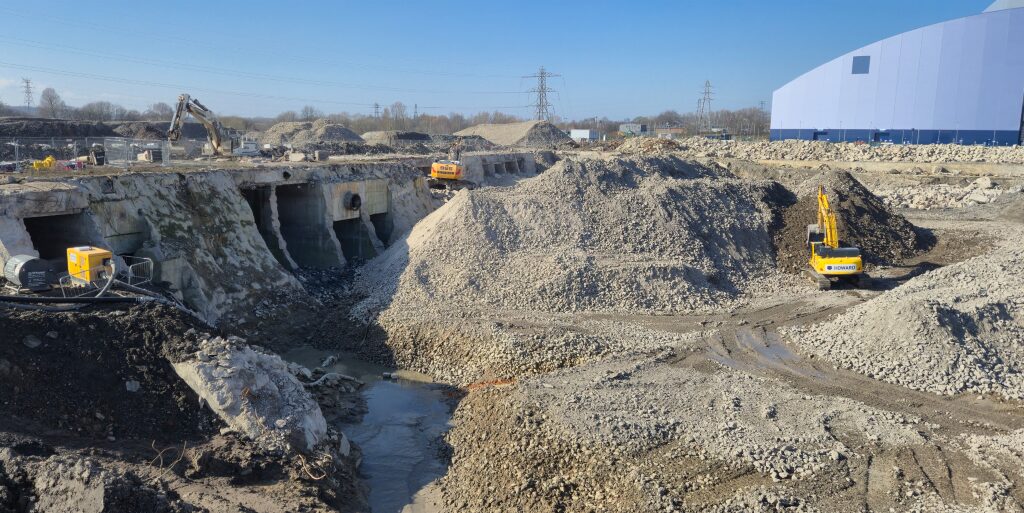
Doncaster is positioning itself as a major logistics and manufacturing hub, with strategic advantages including central UK location, multi-modal transport links (motorways, rail freight, air), and existing large-scale occupiers like Amazon, DHL, Lidl, and TJ Morris (Home Bargains). Significant developments include Gateway East, iPort, Unity Yorkshire, Doncaster North, and Total Park.
-
Humber Freeport offers significant financial incentives for occupiers and developers through tax relief (stamp duty, business rates, NI, capital allowances) at key sites in Immingham, Goole, and Hull East.
-
Infrastructure constraints, particularly around planning and power supply, are limiting the pace of industrial development. Stakeholders call for better coordination between planning authorities, utility providers, and developers.
-
Demand for industrial and logistics space in Yorkshire is outpacing supply, especially for flexible units that can accommodate a mix of uses like R&D, data centres, and light industry.
-
Political and policy alignment is critical to unlocking regional growth, with strong calls for more consistent, joined-up thinking across government departments and planning bodies.
-
Long-term investment and ‘patient capital’ are needed to support the development pipeline, with pension funds and institutional investors seen as key players.
-
Local engagement and early collaboration with authorities are vital for navigating planning challenges and securing project support in a shifting political landscape.
-
Urban regeneration and grey belt strategies are seen as opportunities for unlocking land for industrial use, especially near urban centres.
Gallery
Click on any image to enlarge