


Event Summary
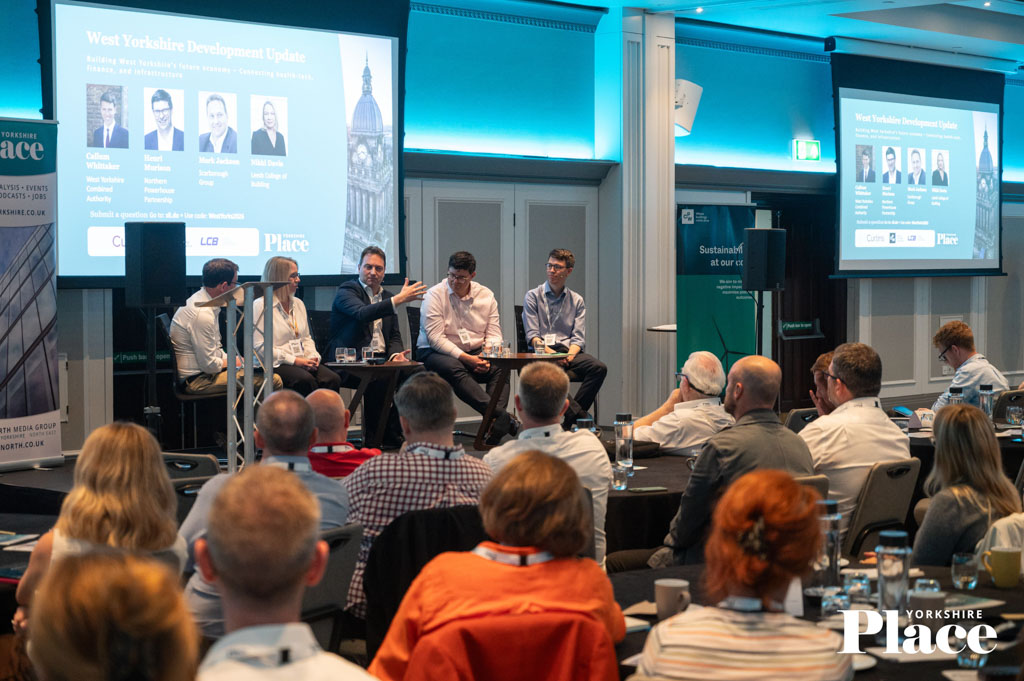
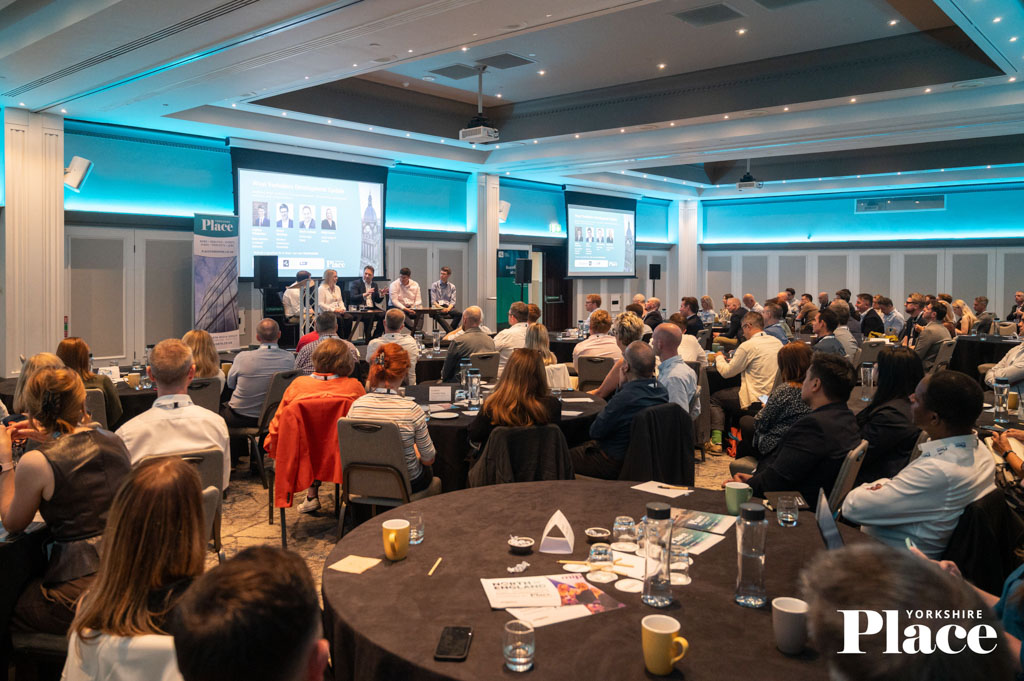
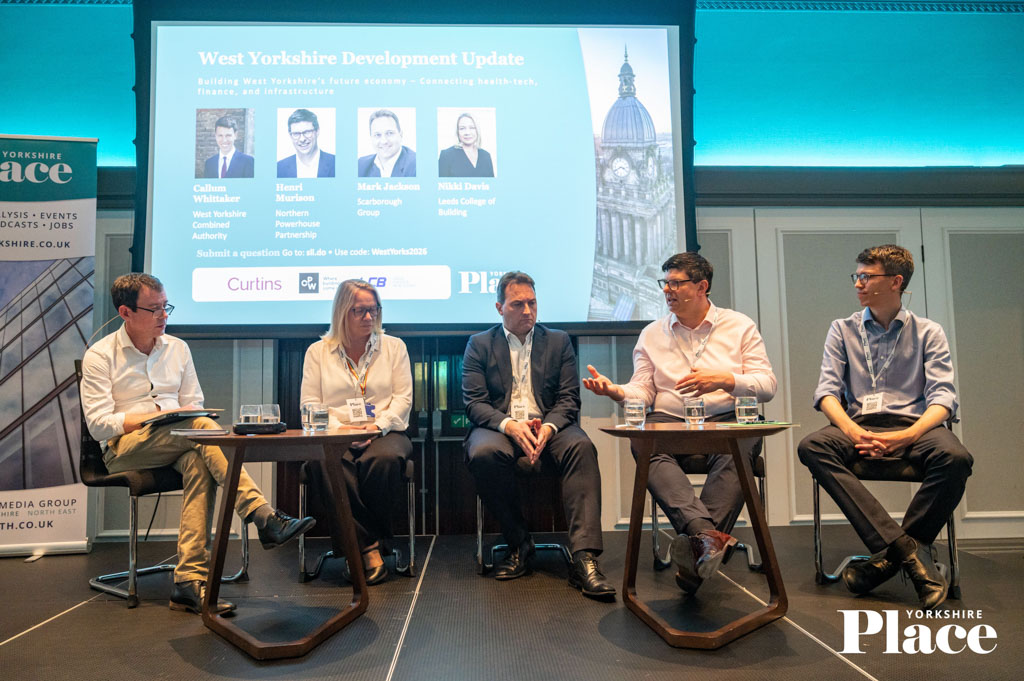
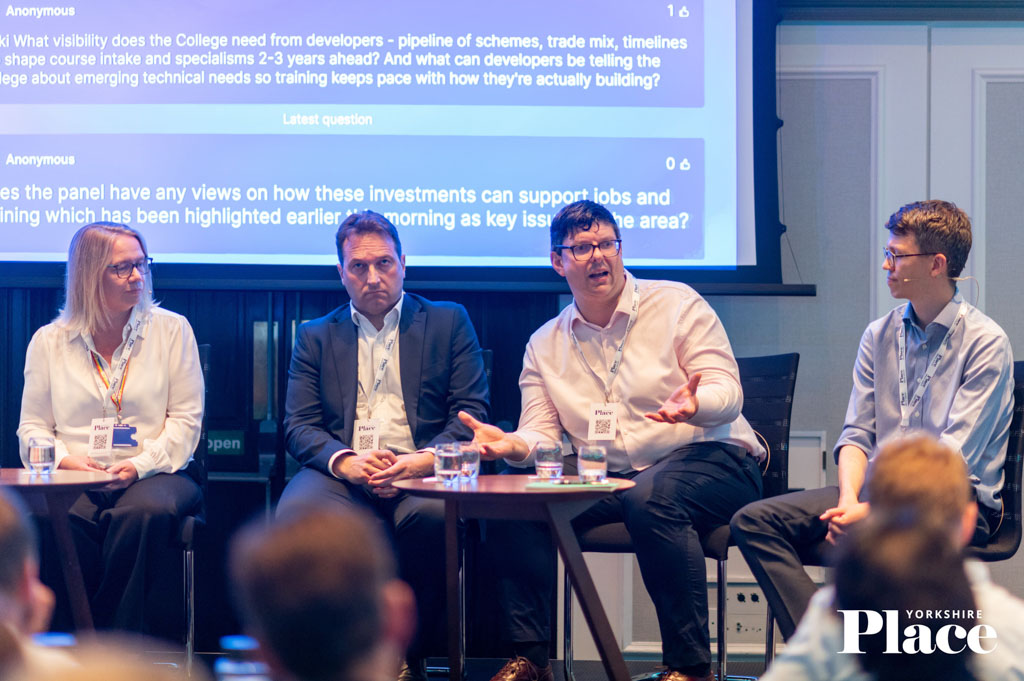
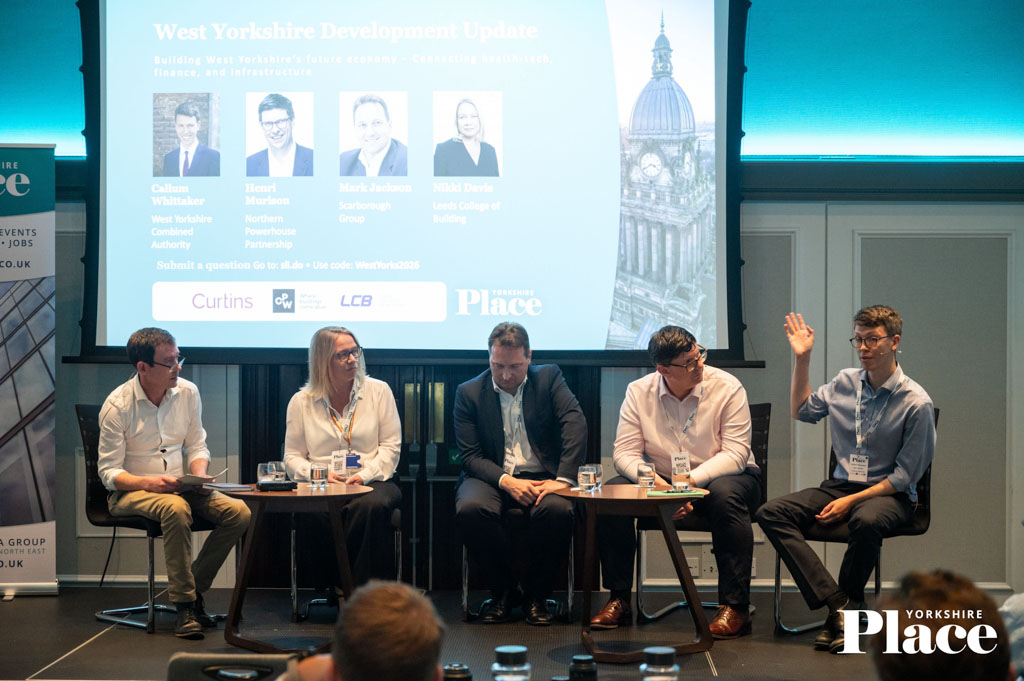
West Yorkshire Development Update | summary & photos
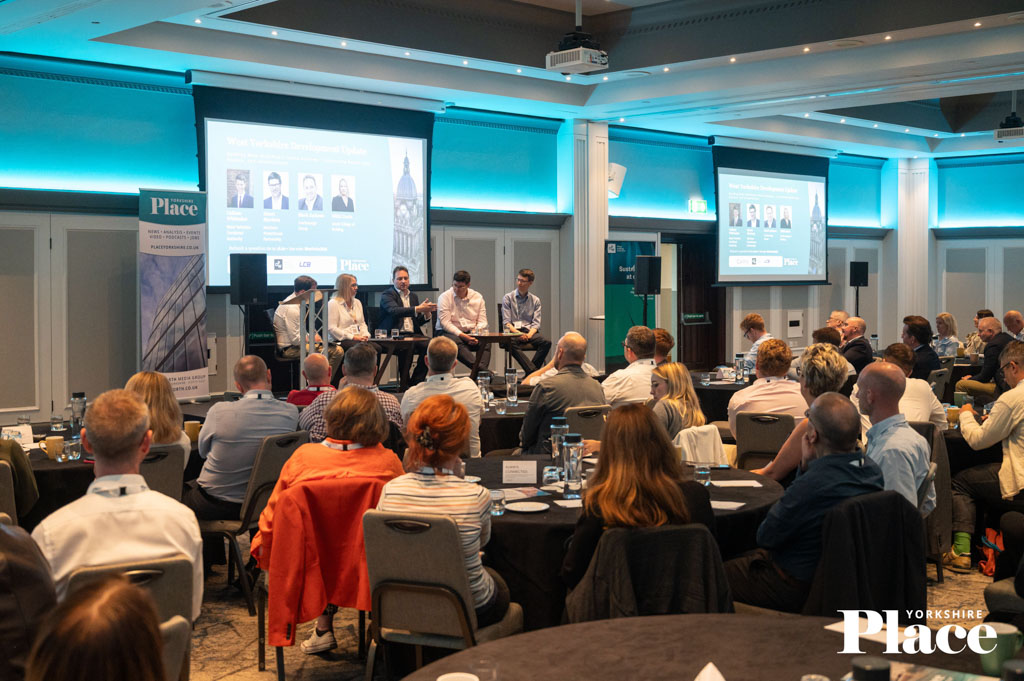
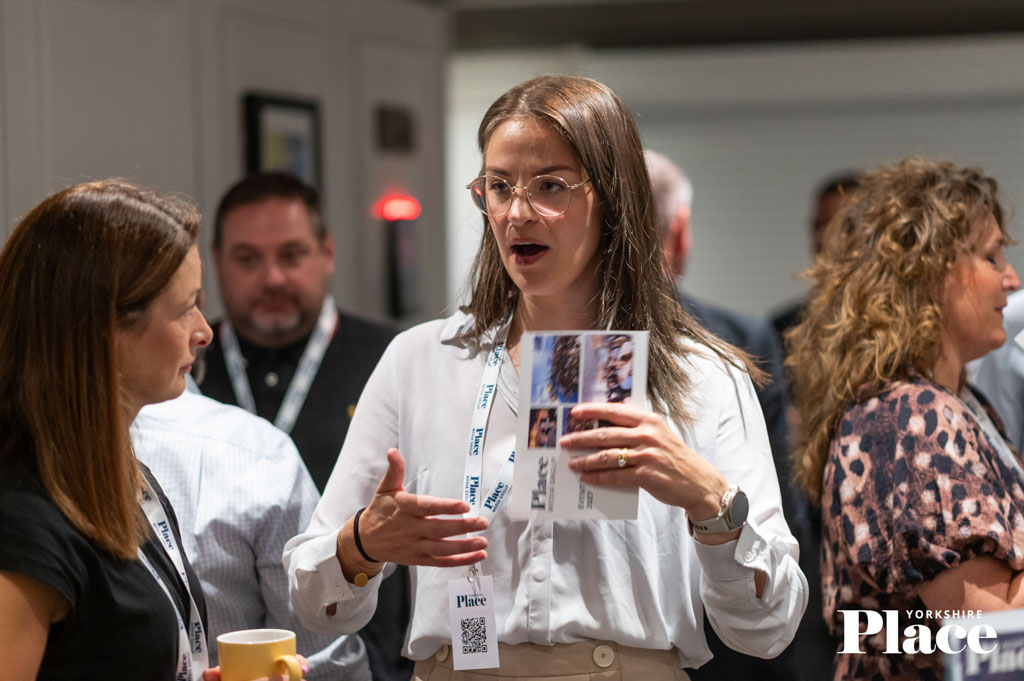
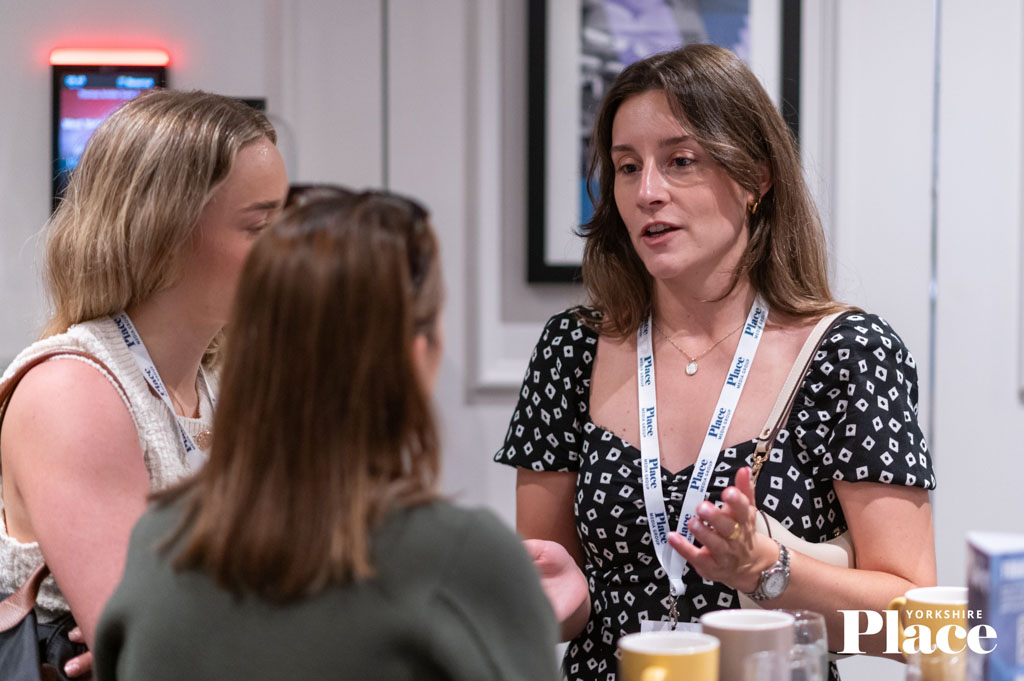
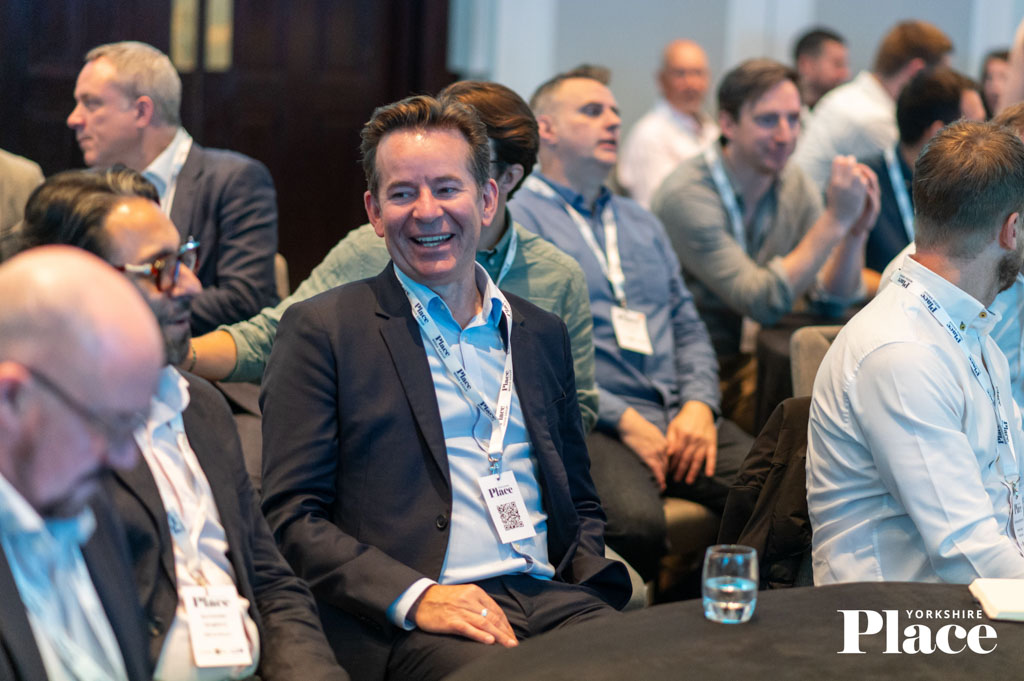
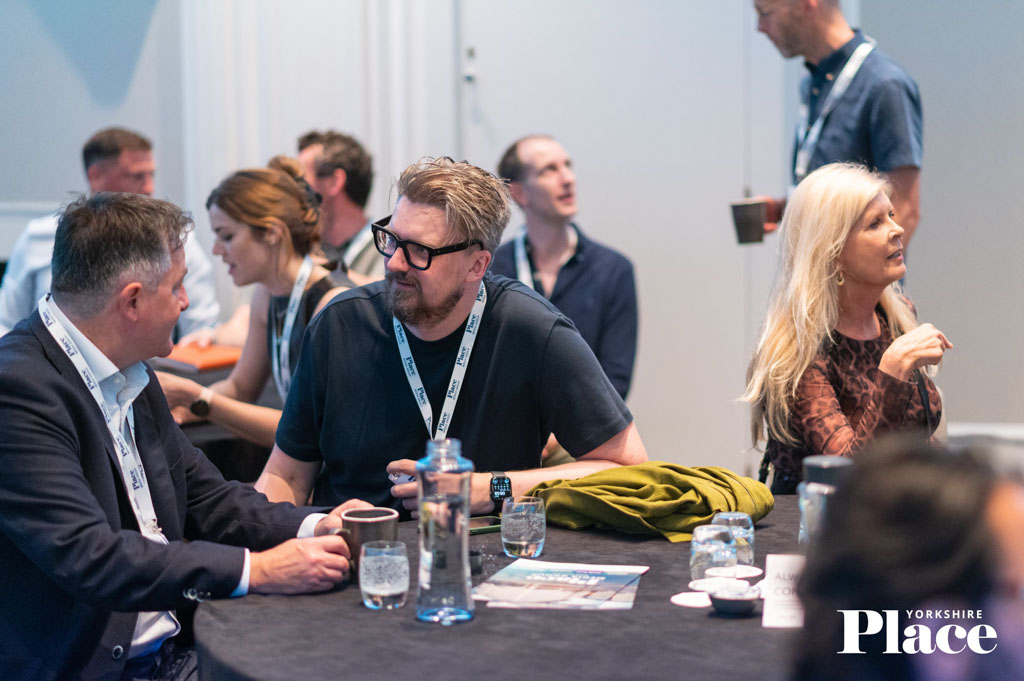
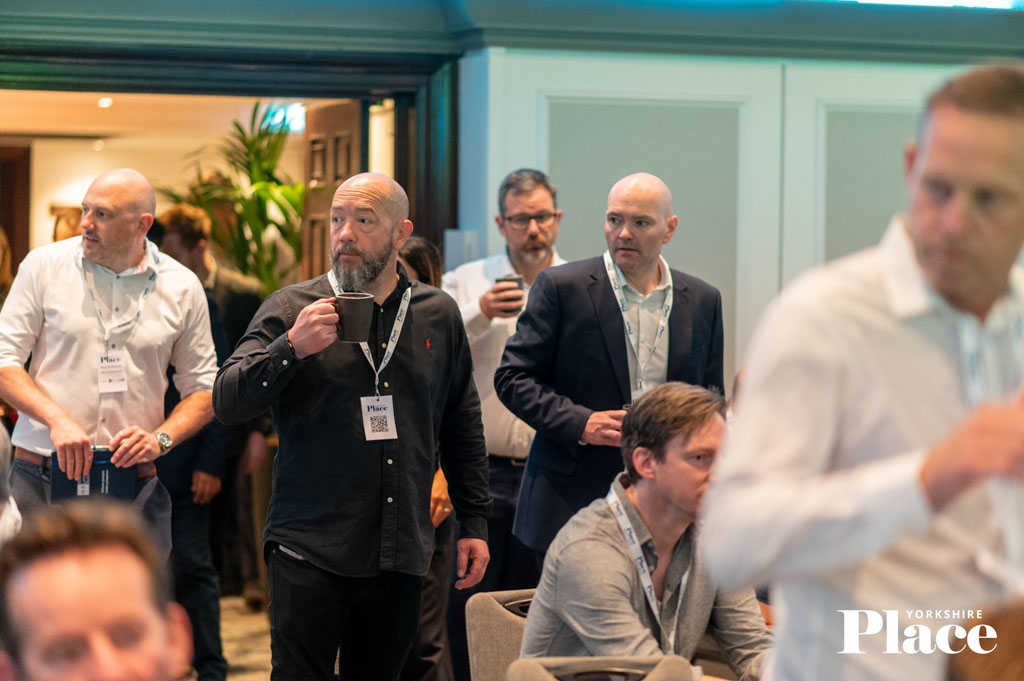
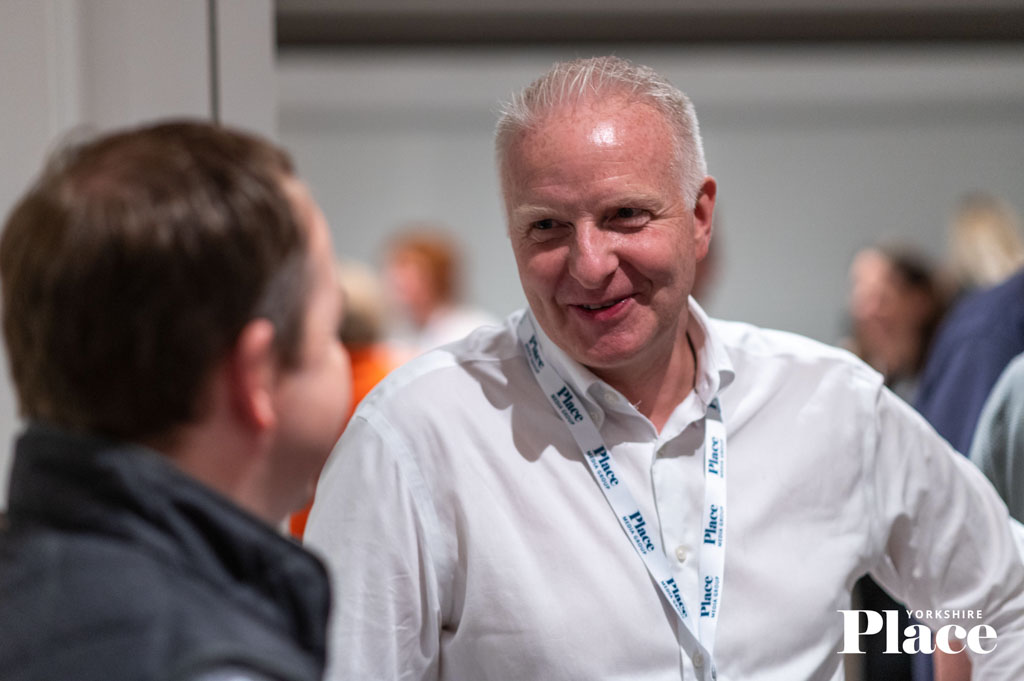
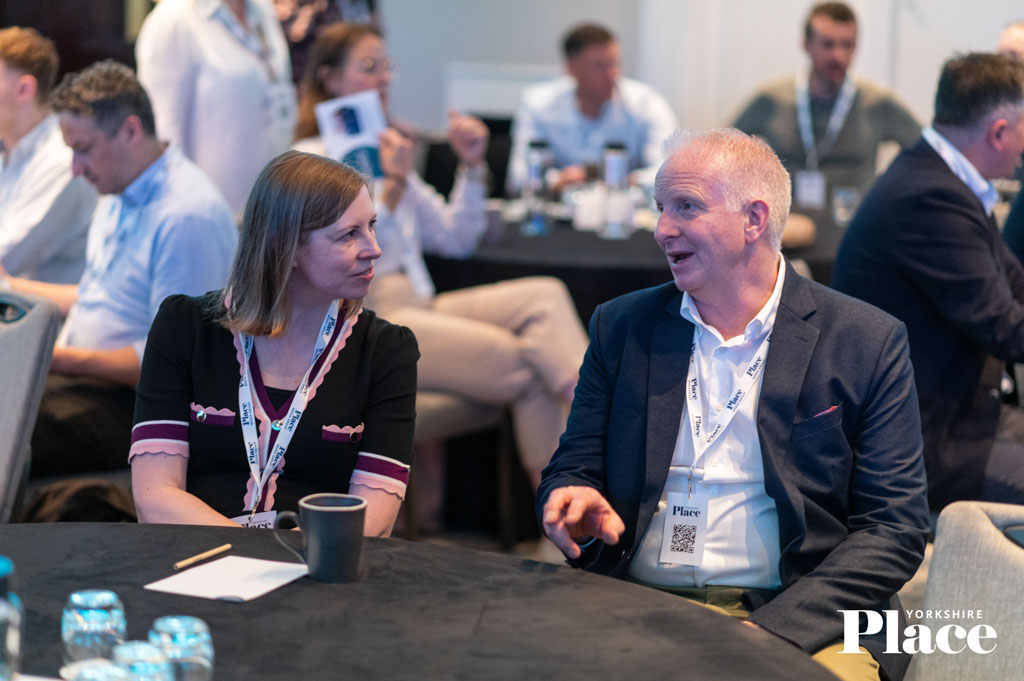
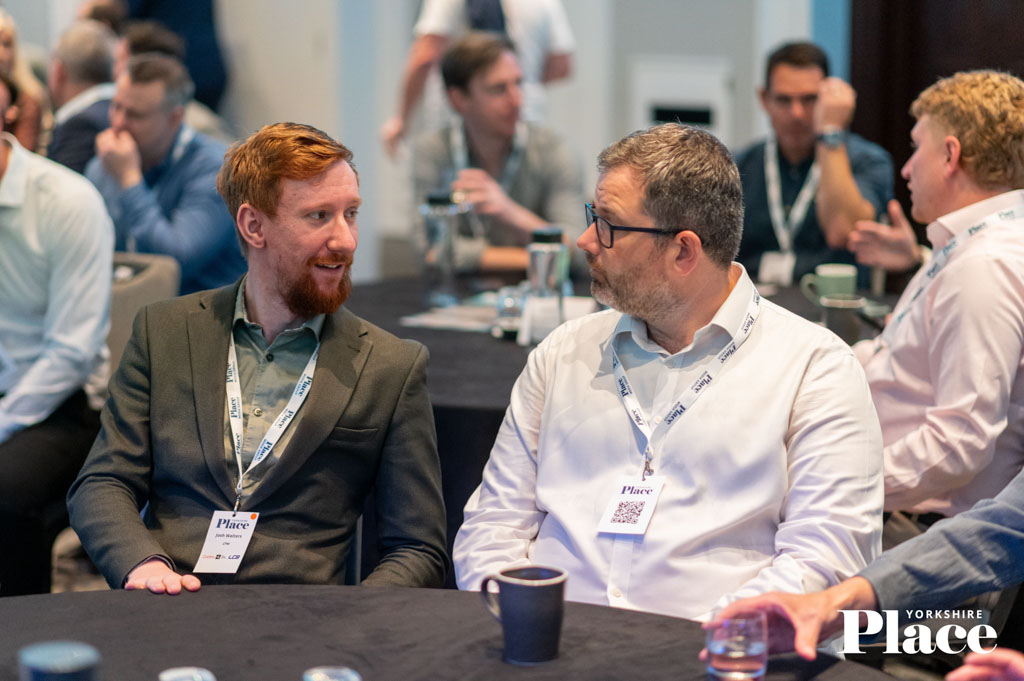
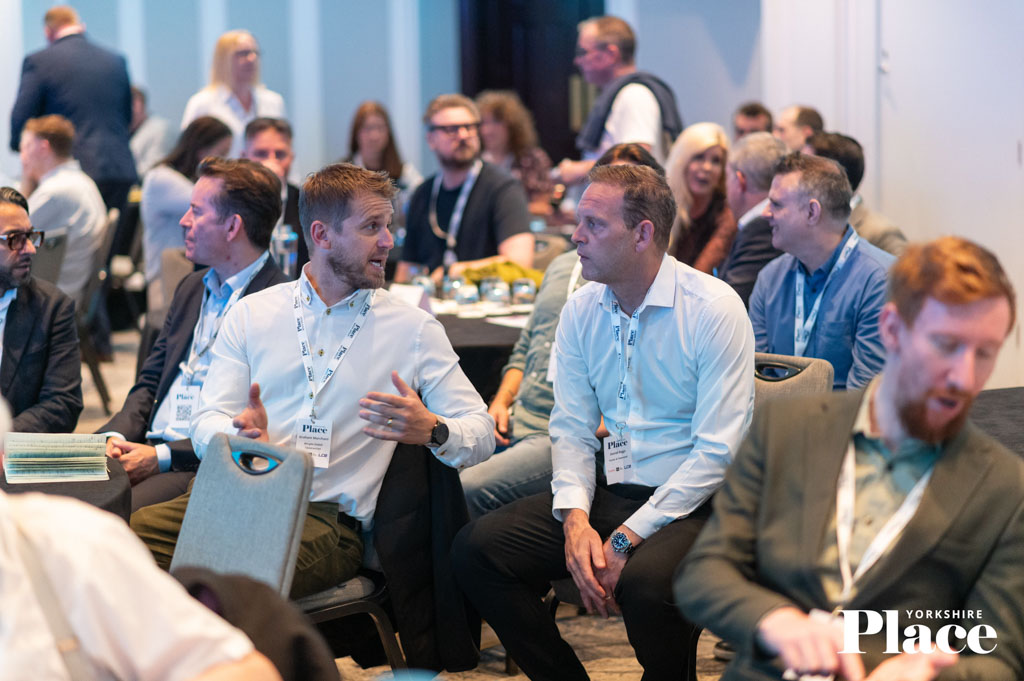
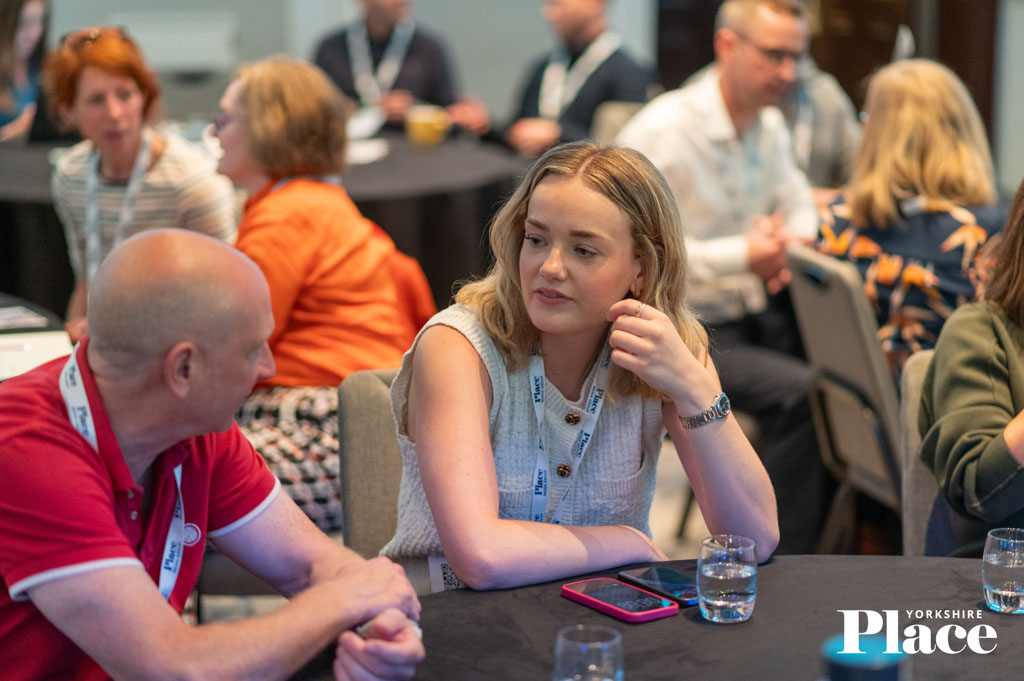
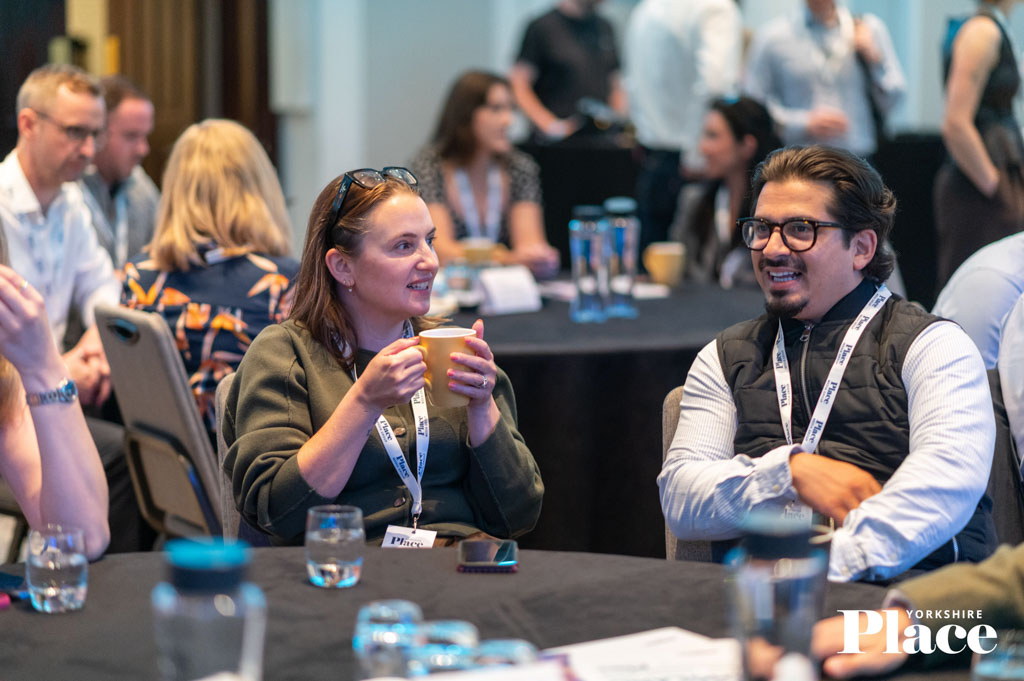
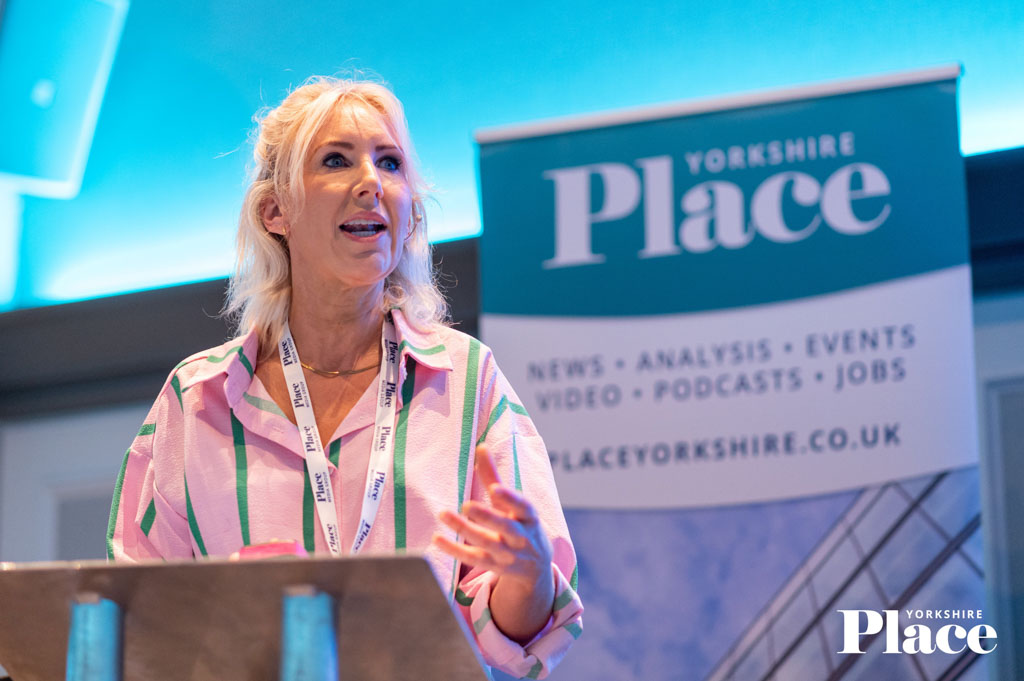
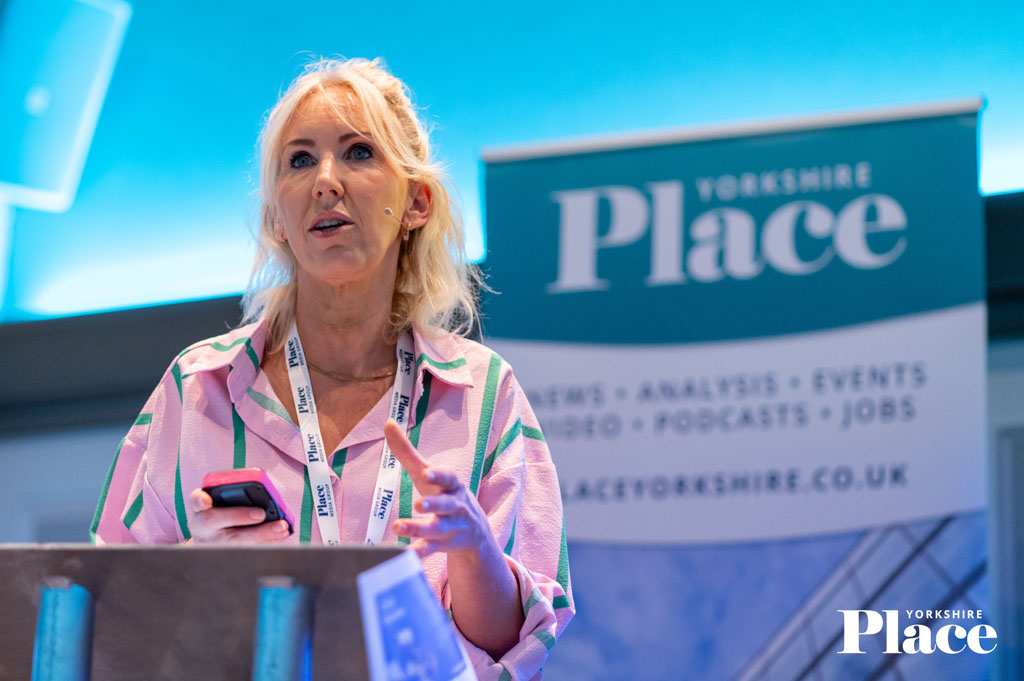
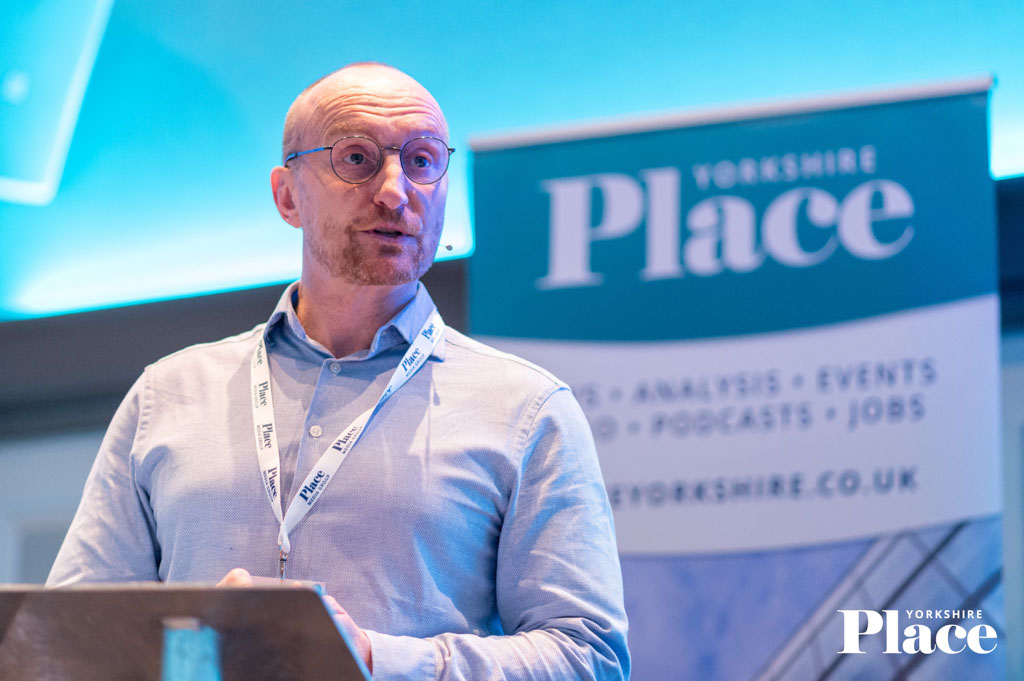
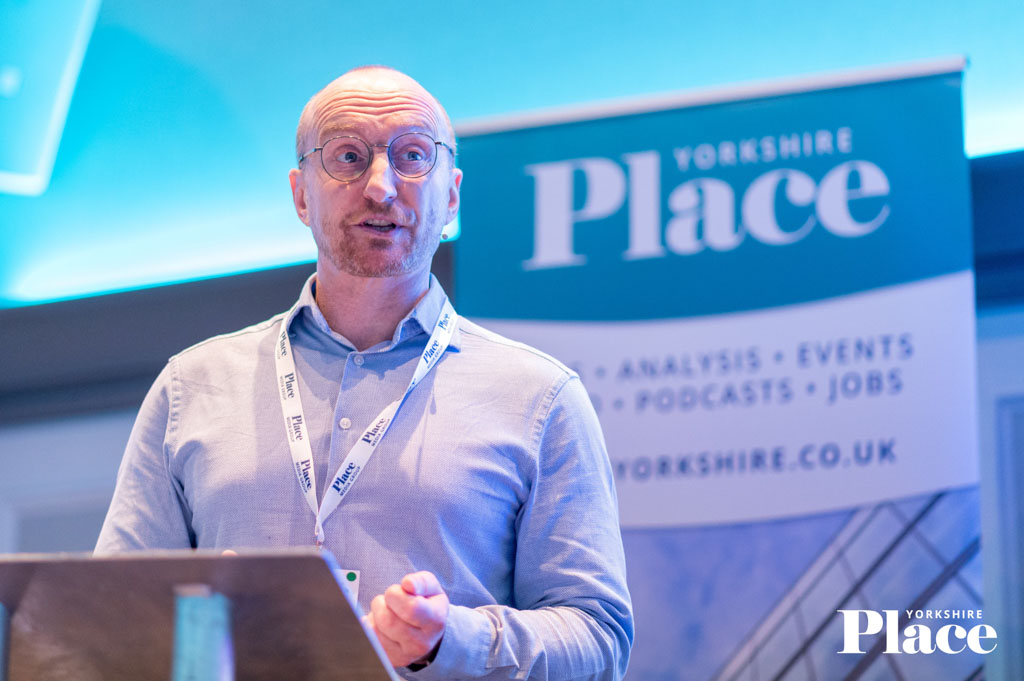
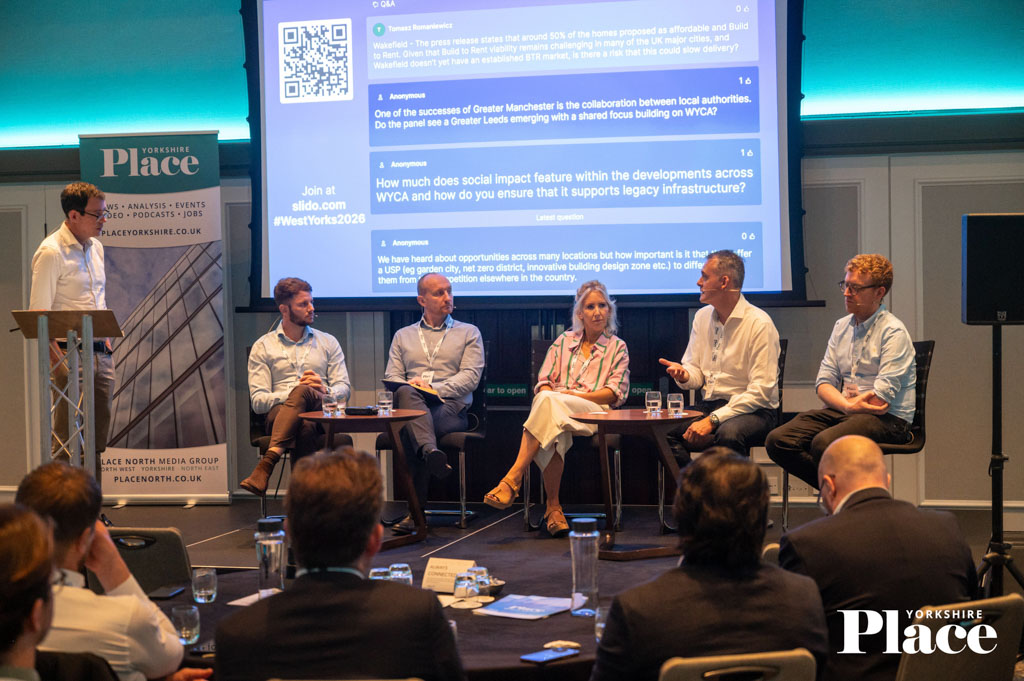
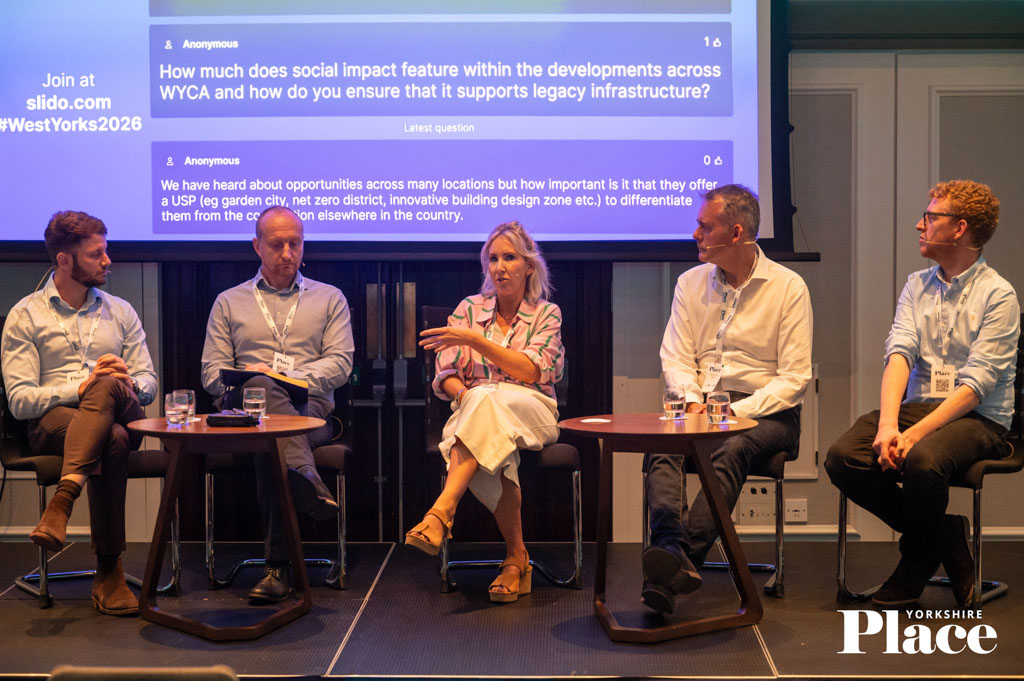
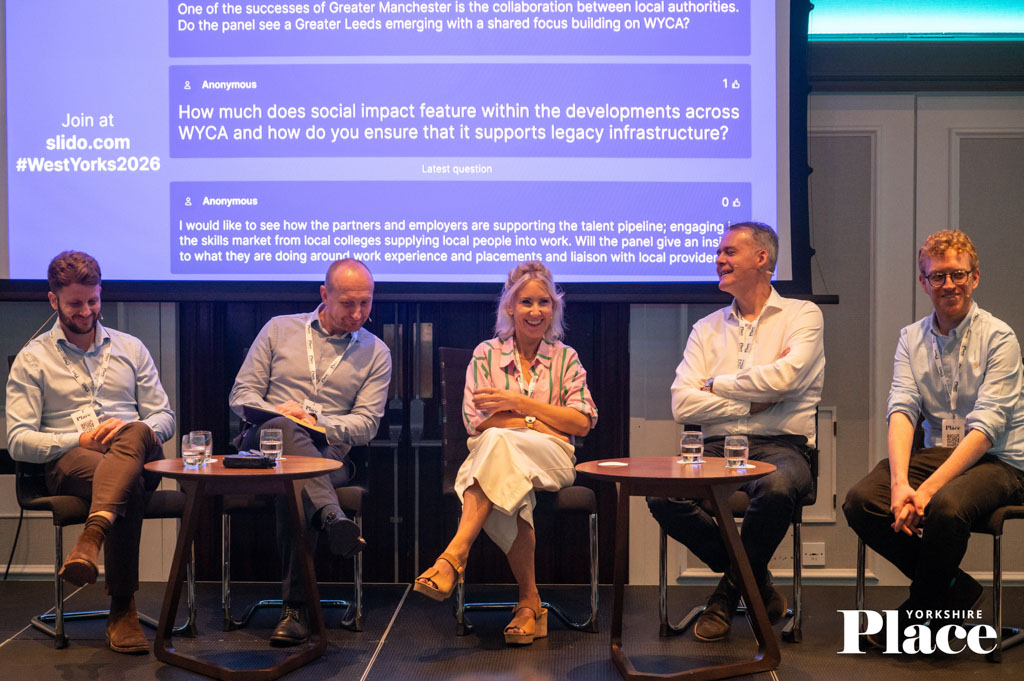
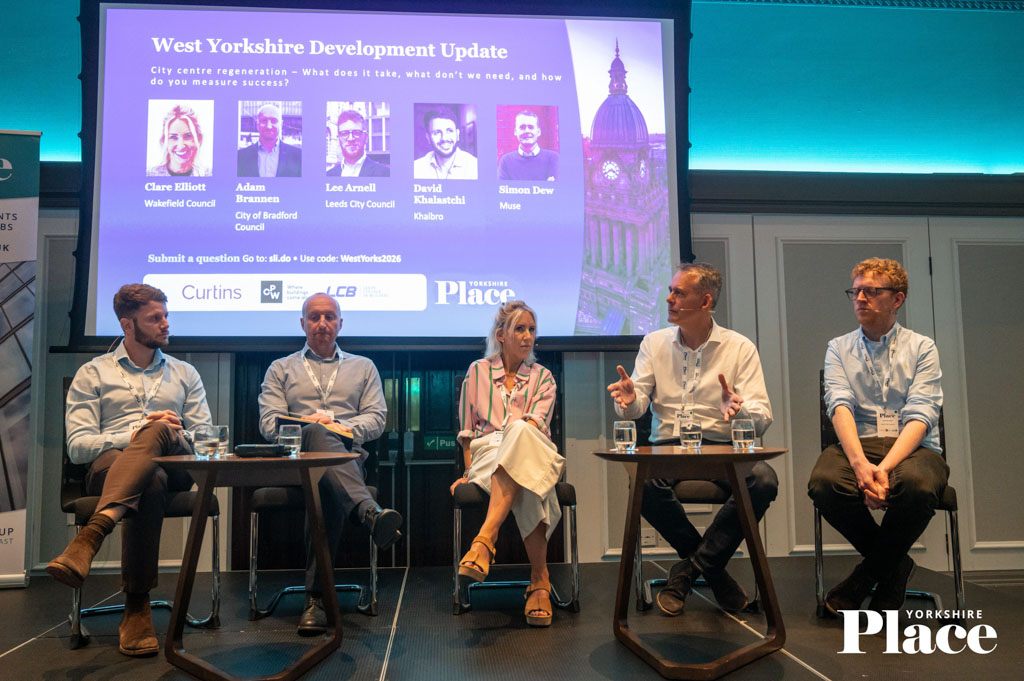
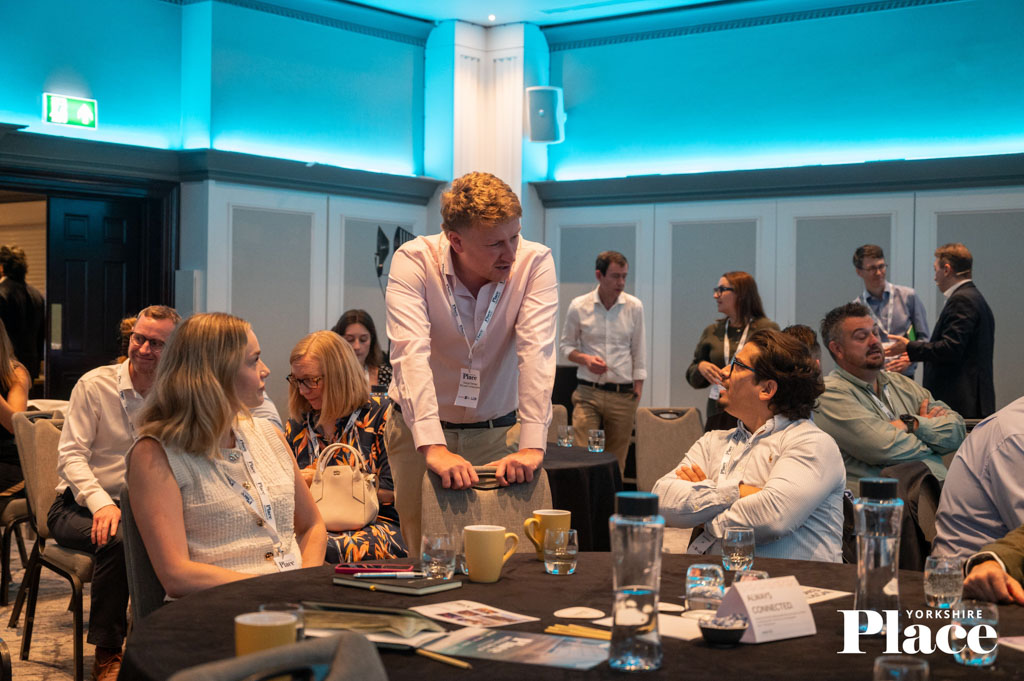
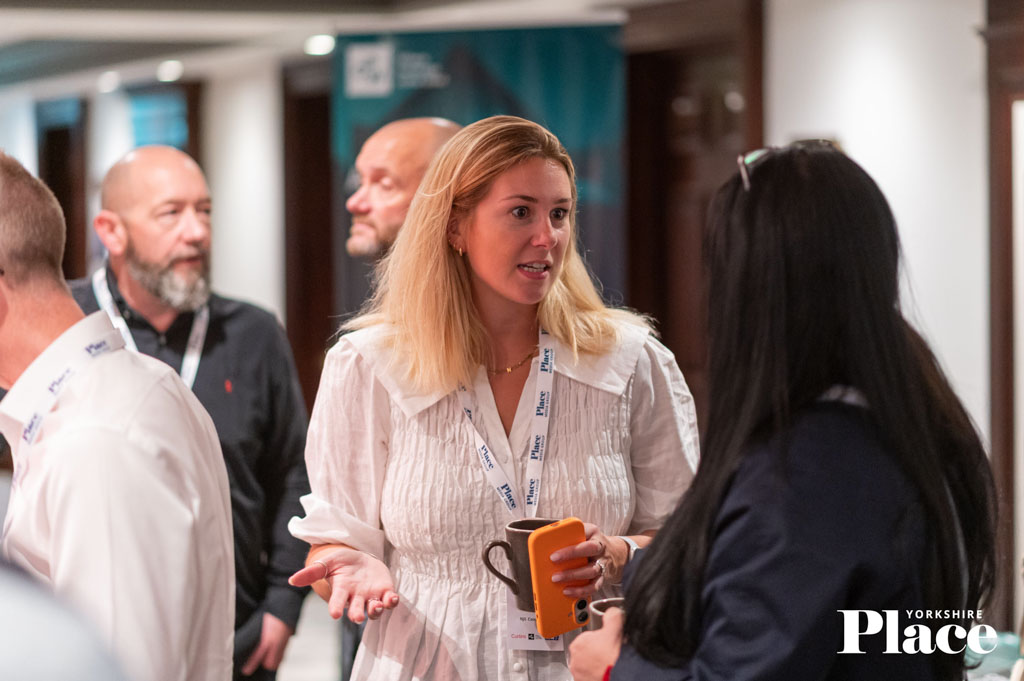
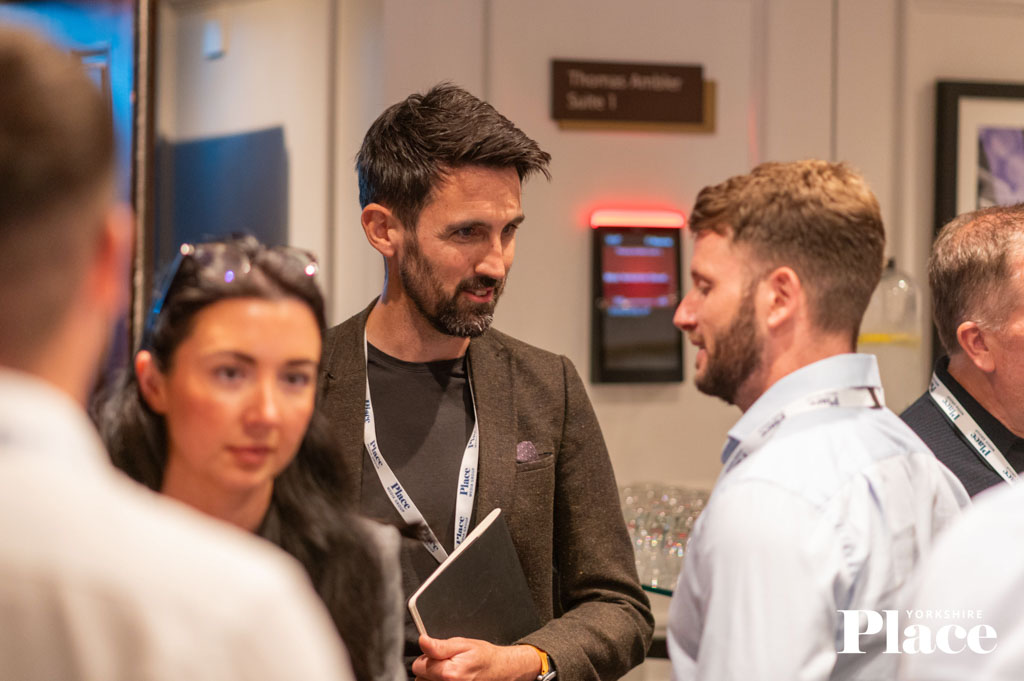
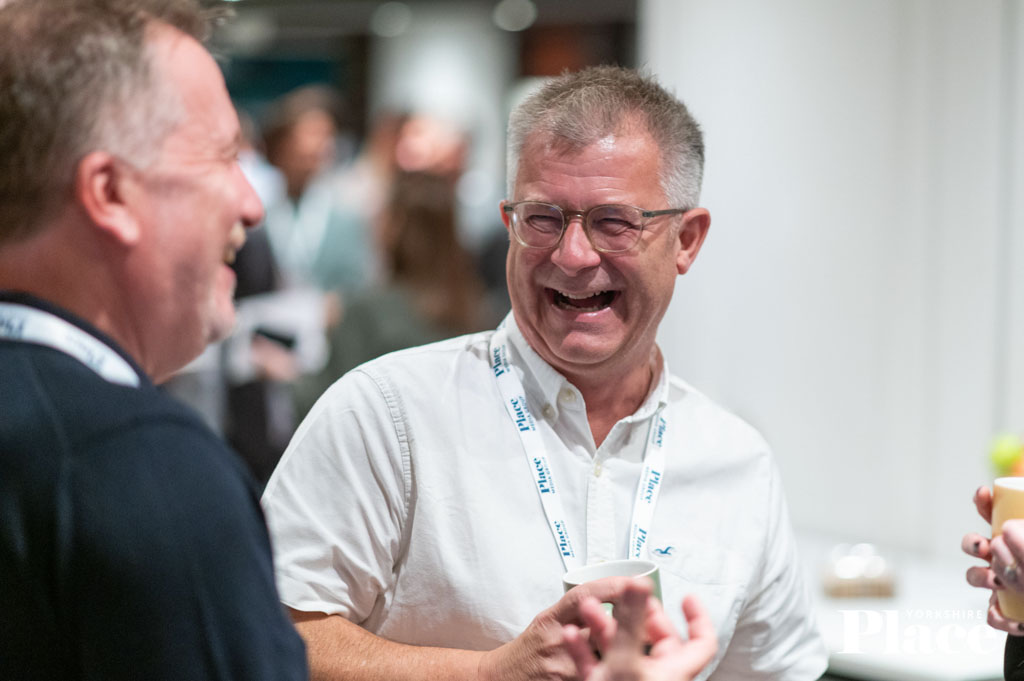
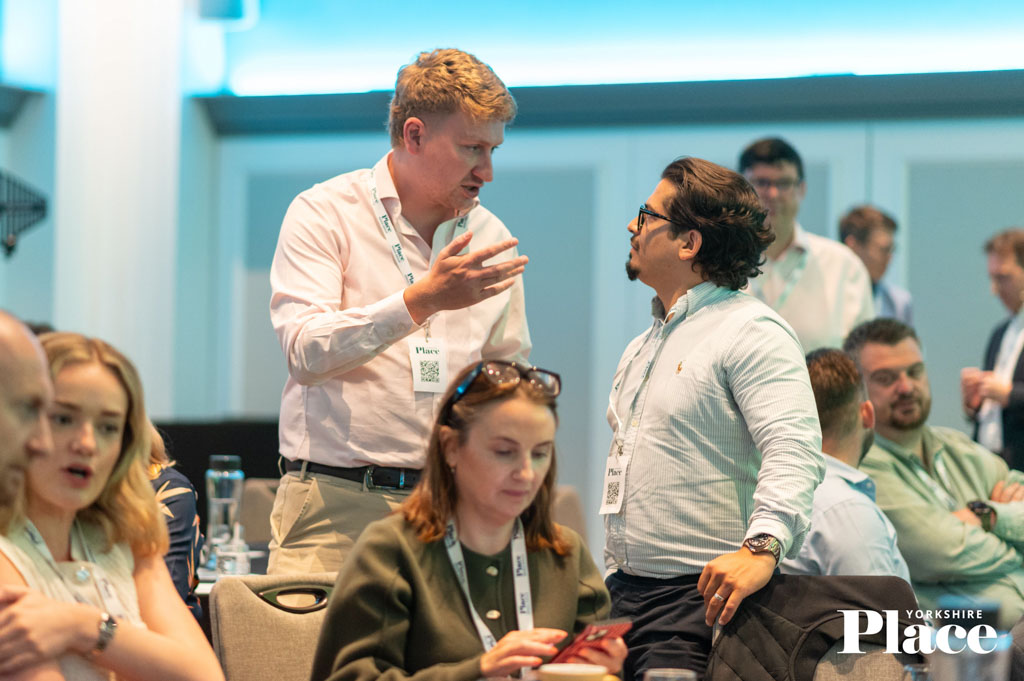
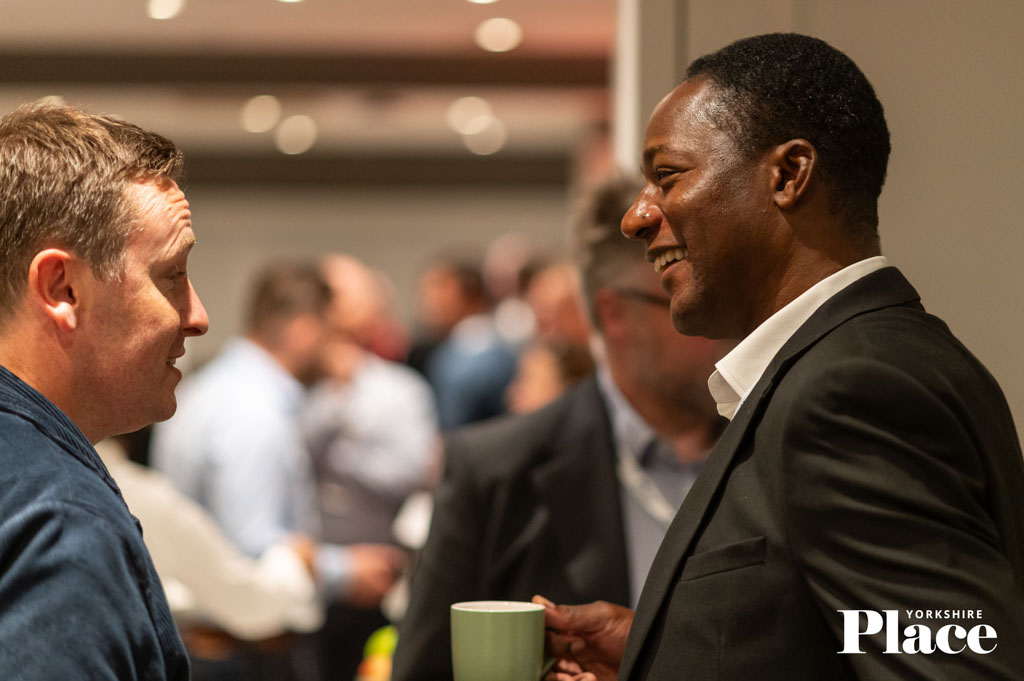
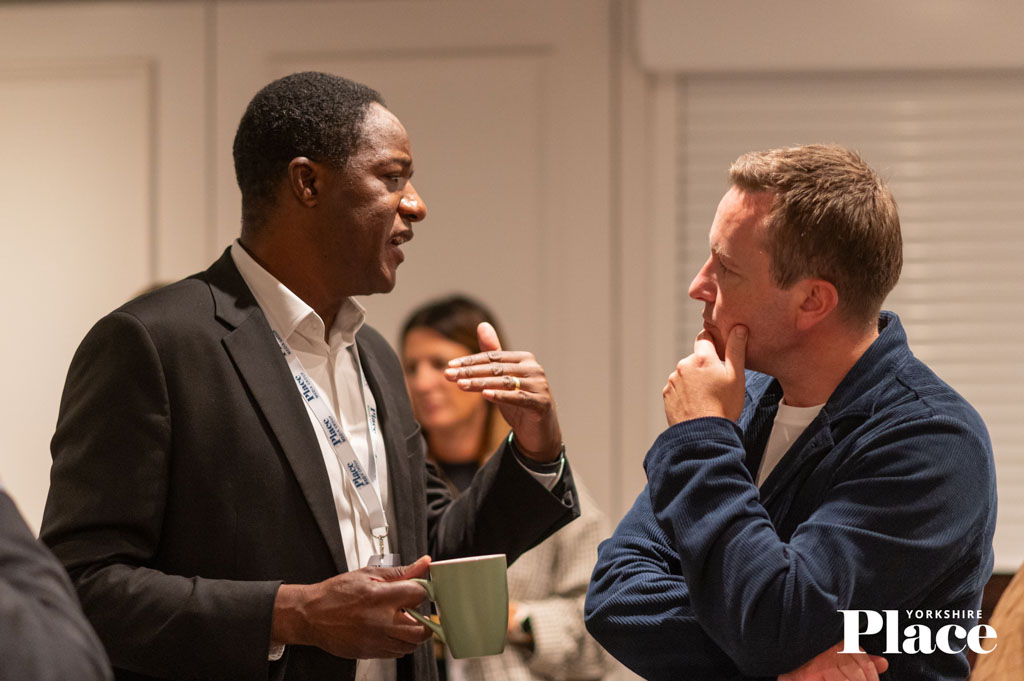
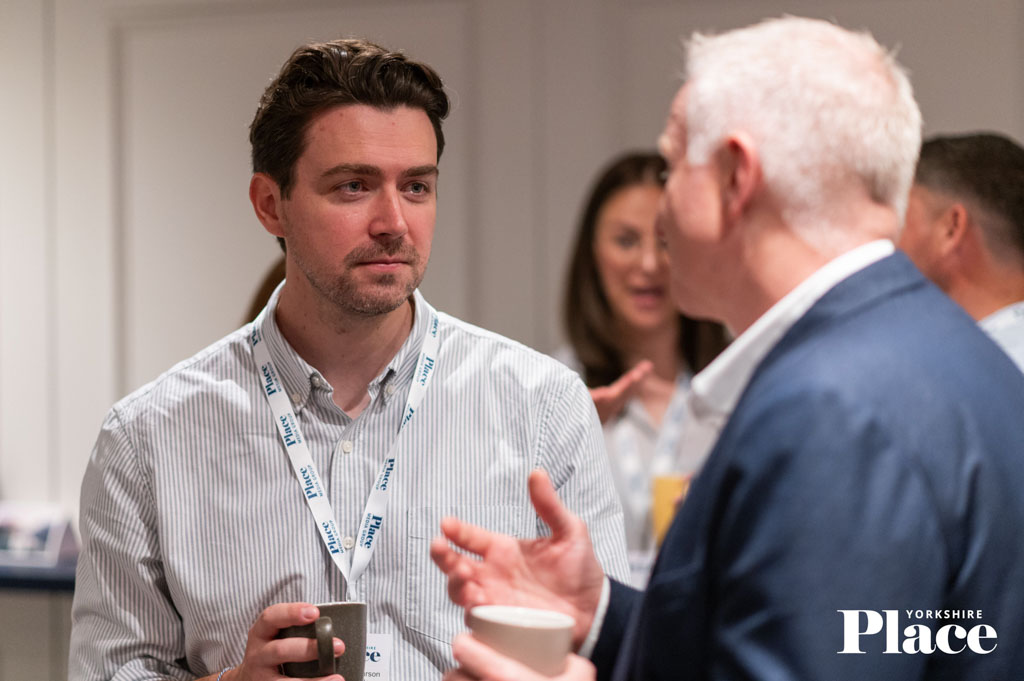
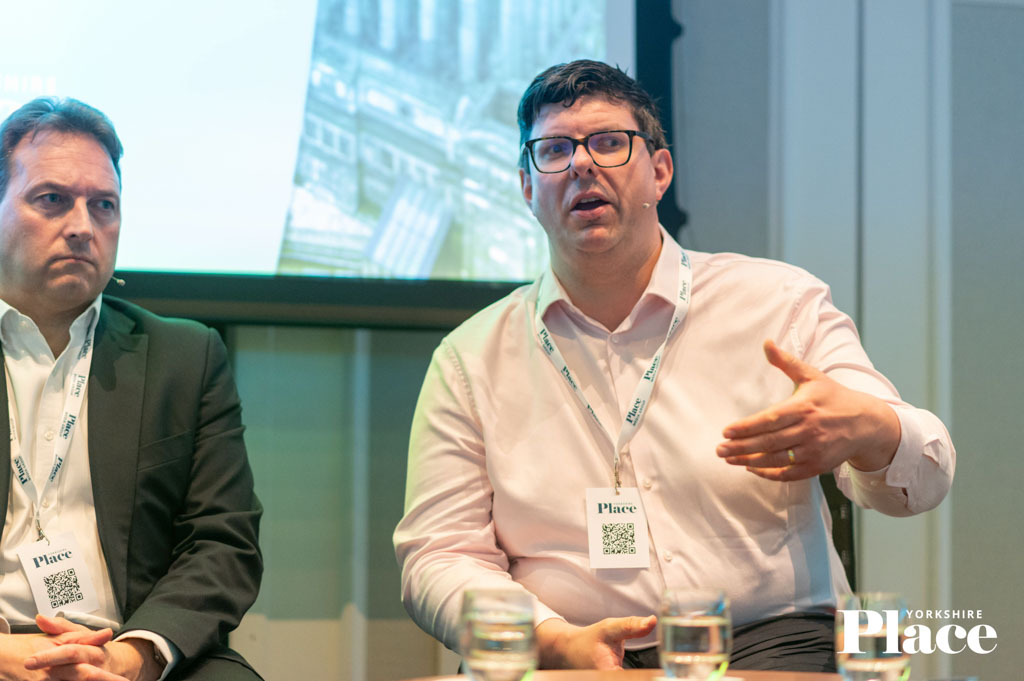
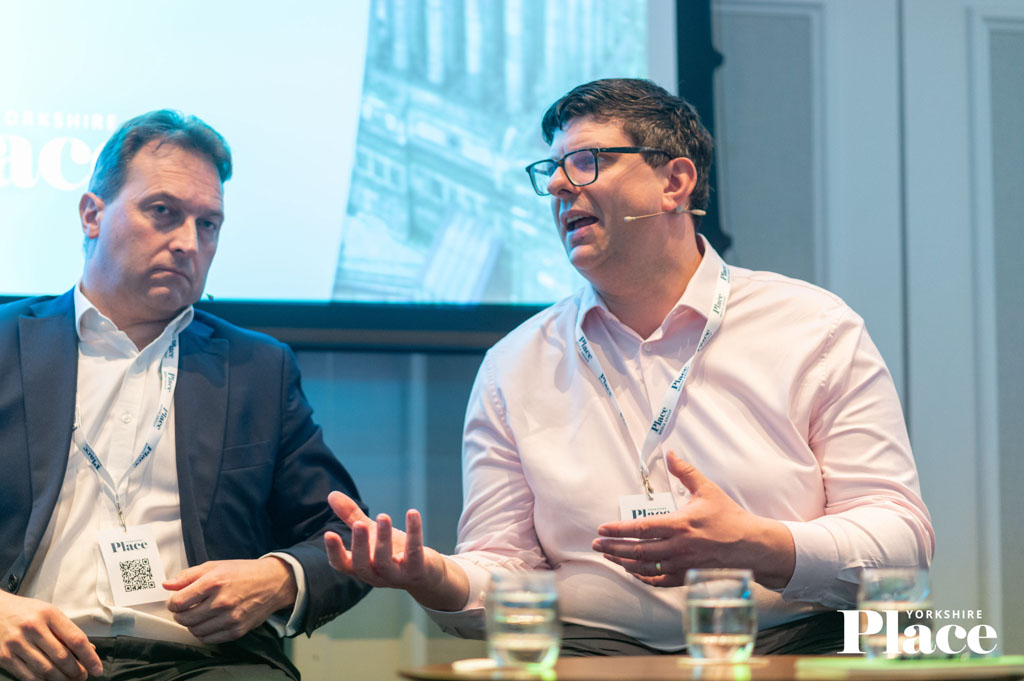
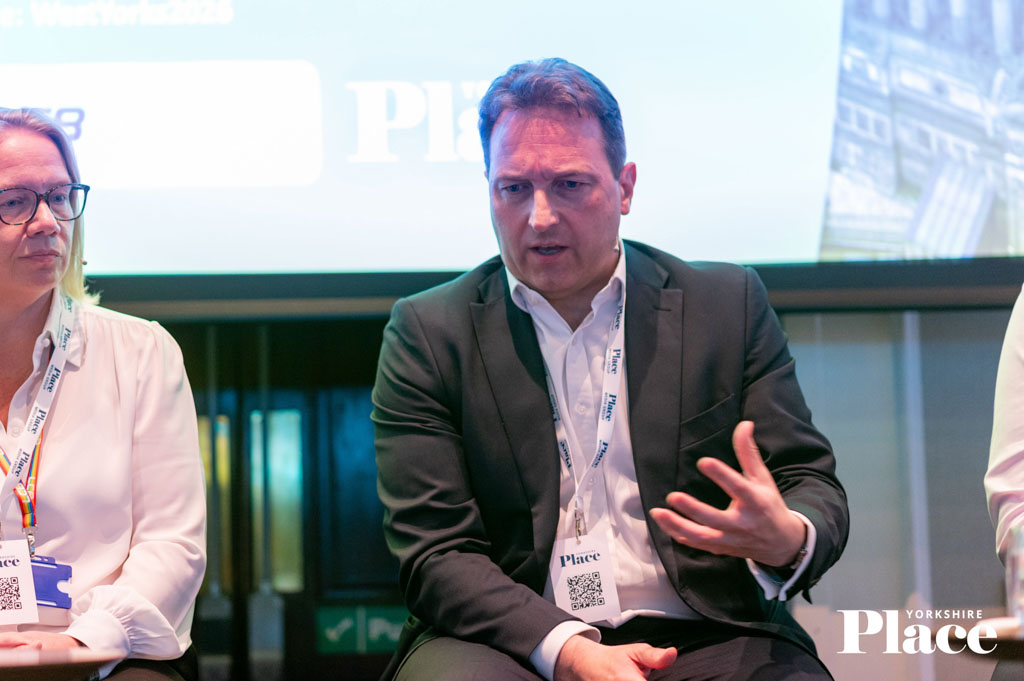
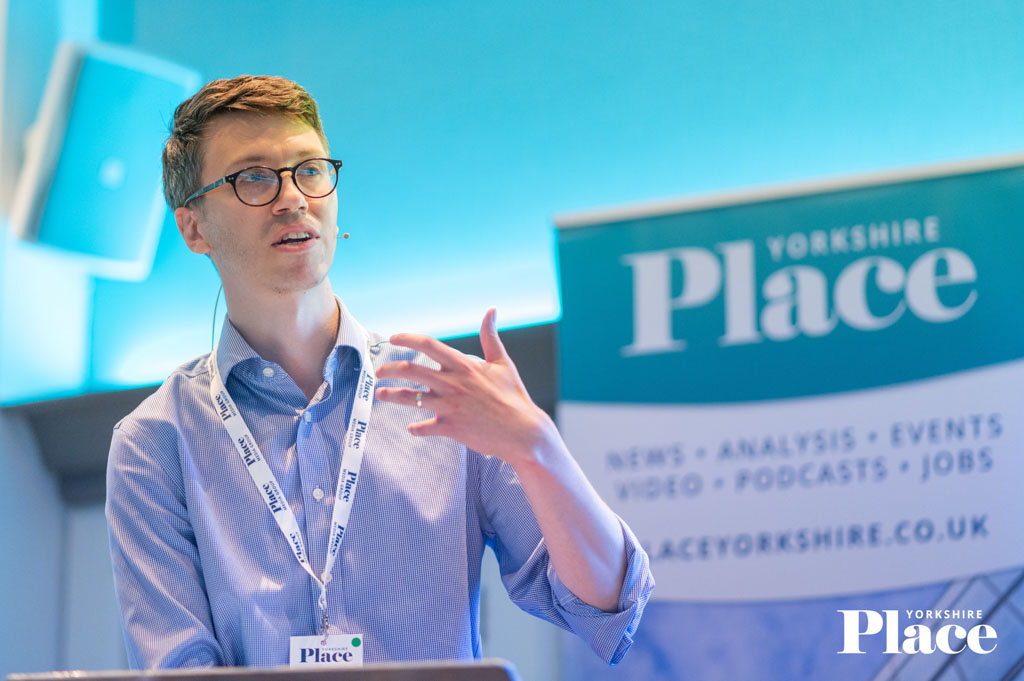
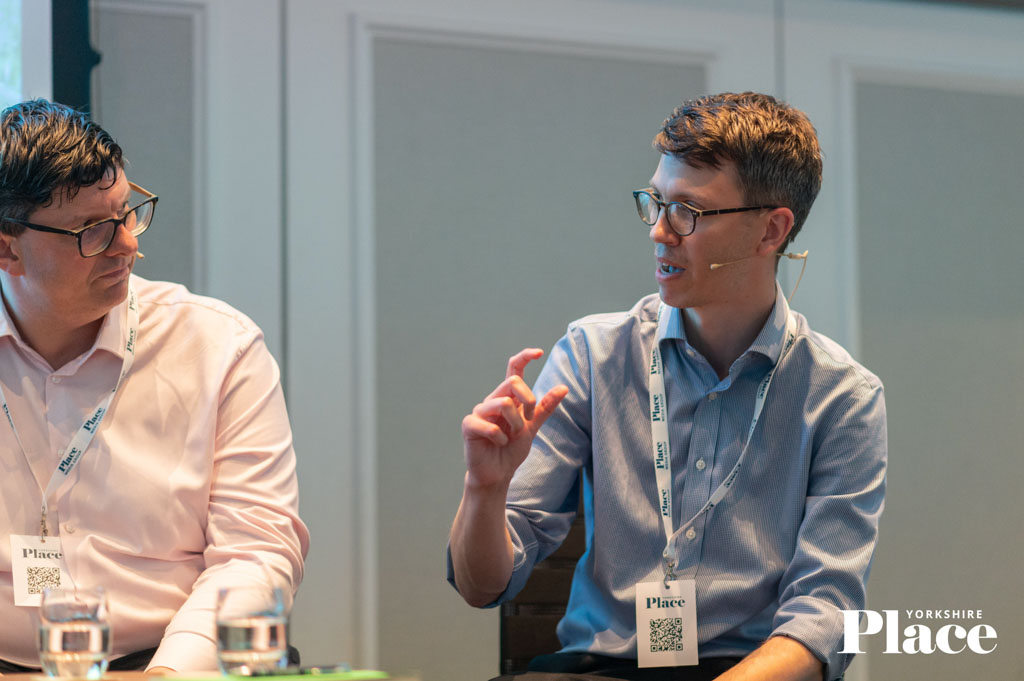
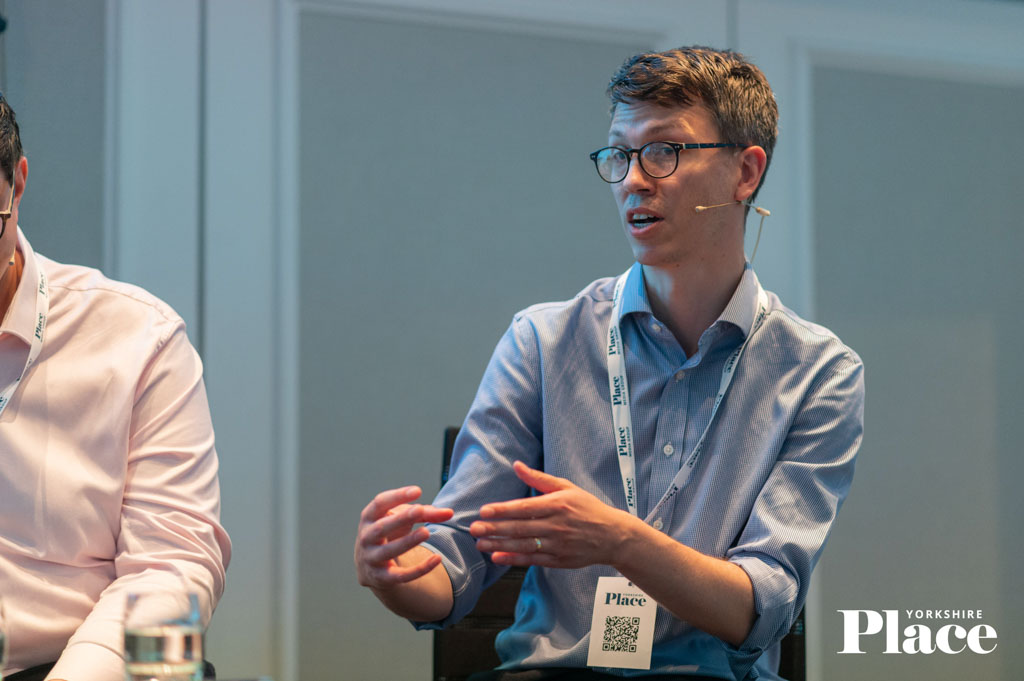
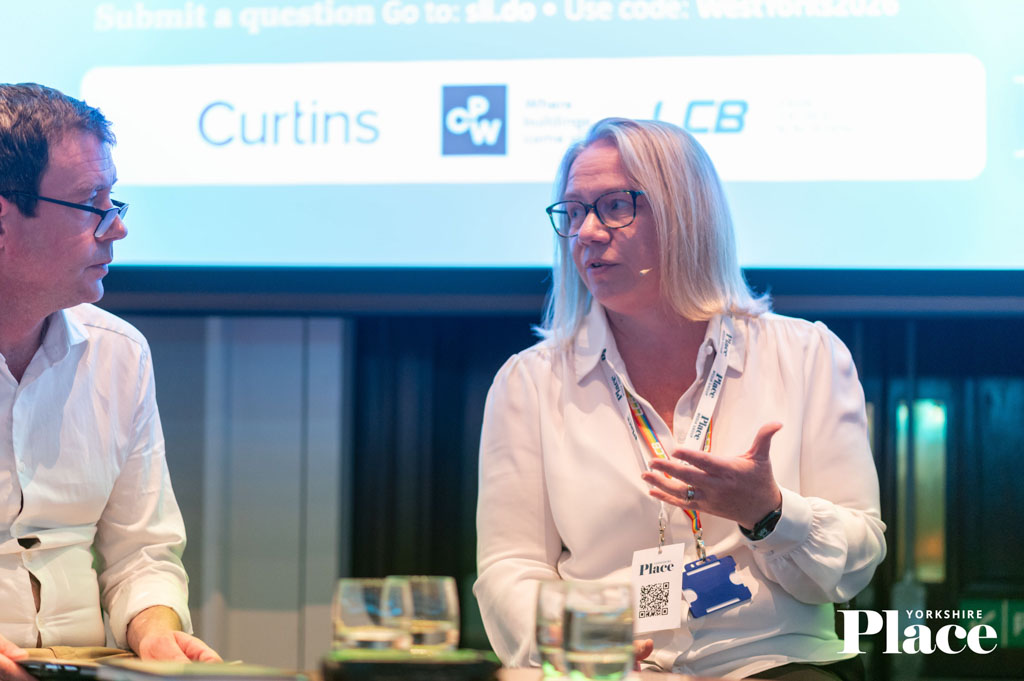
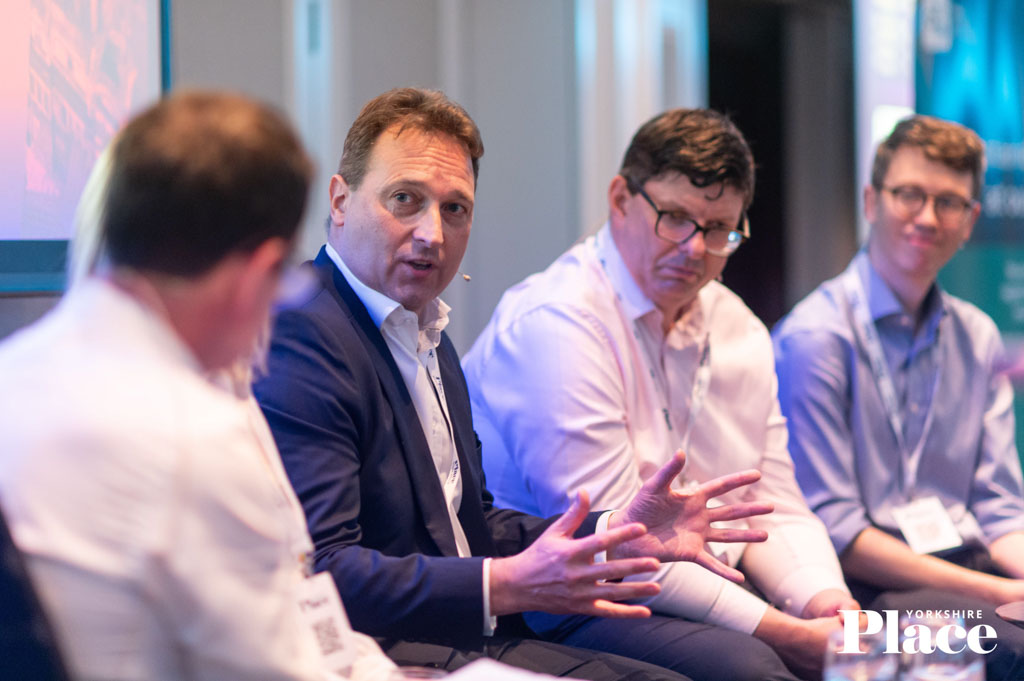
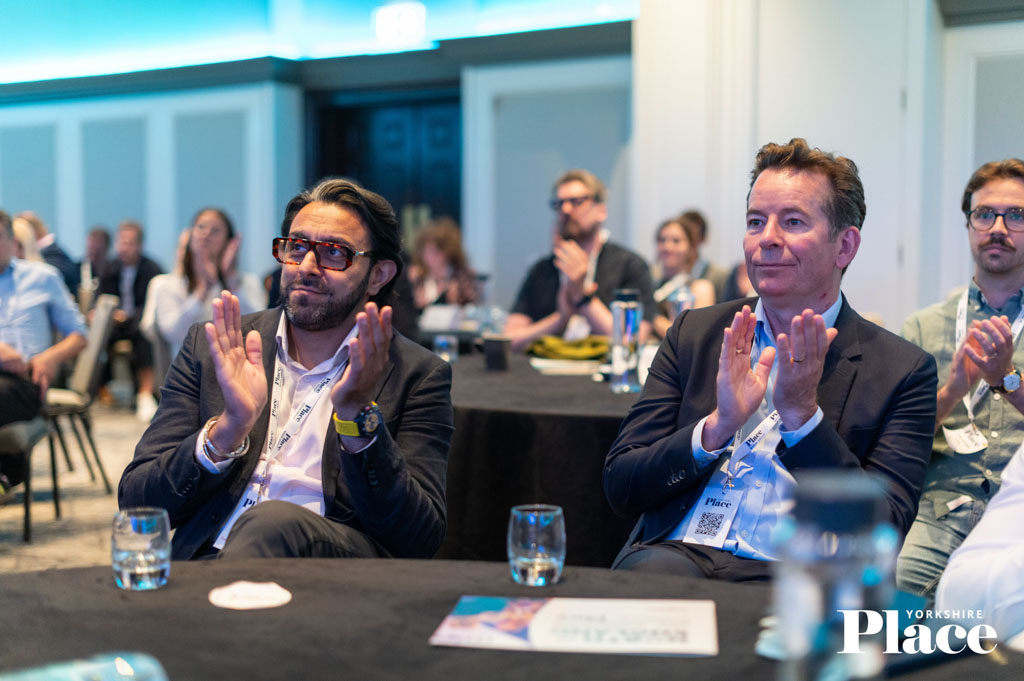
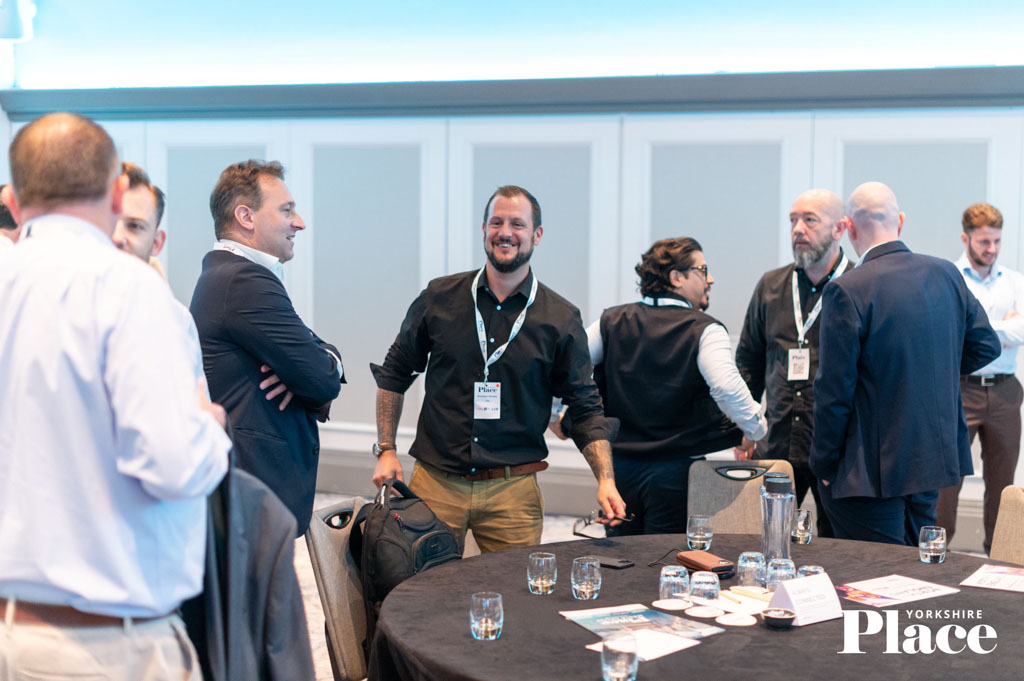
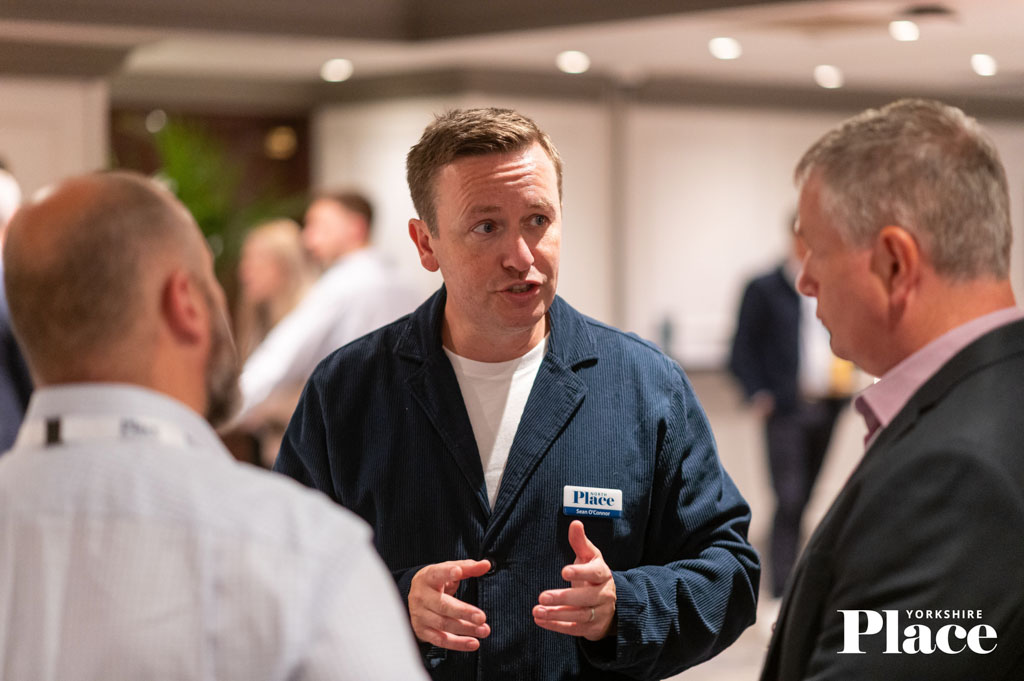
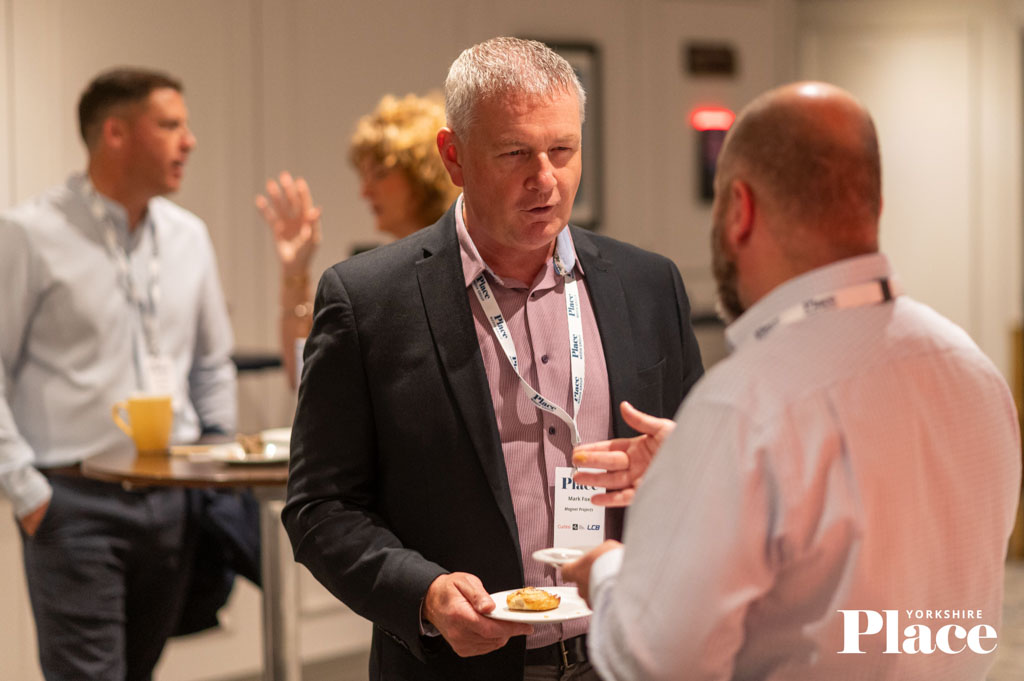
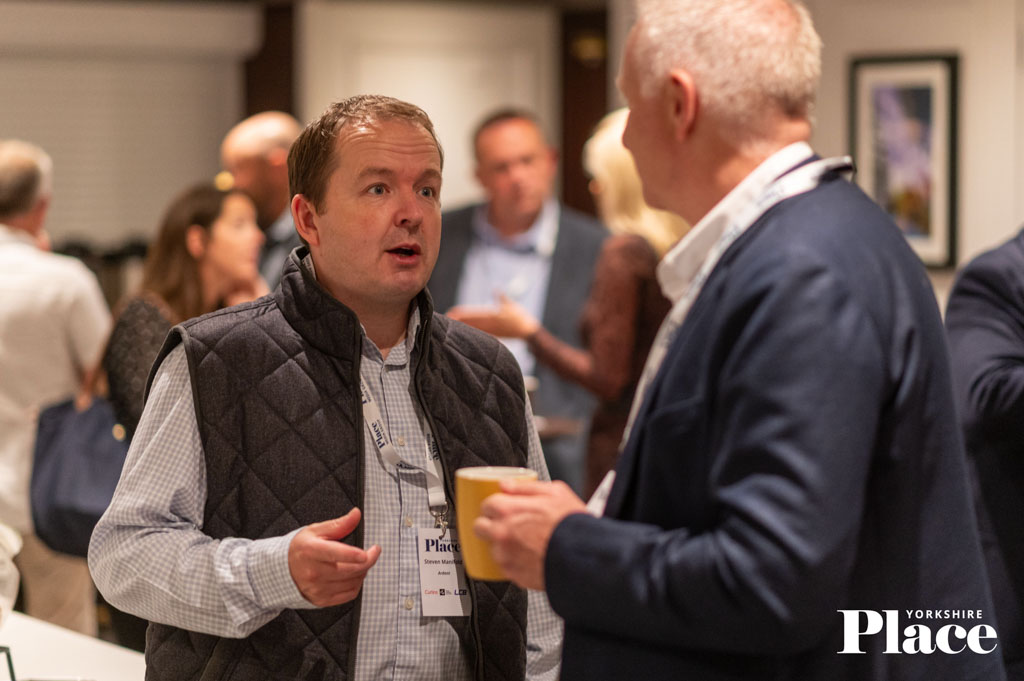
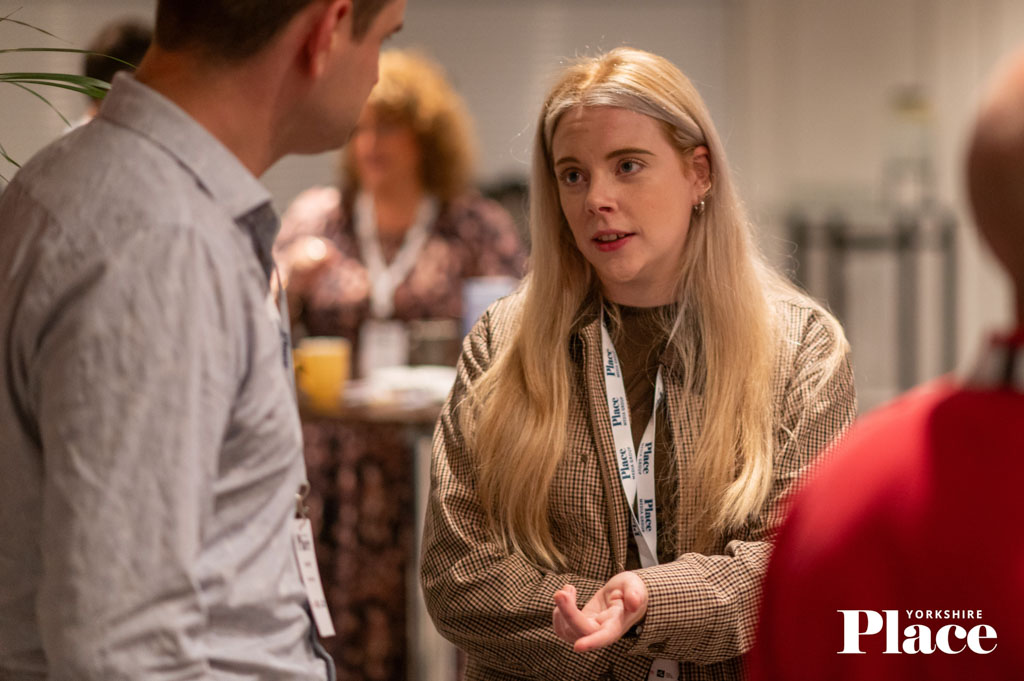
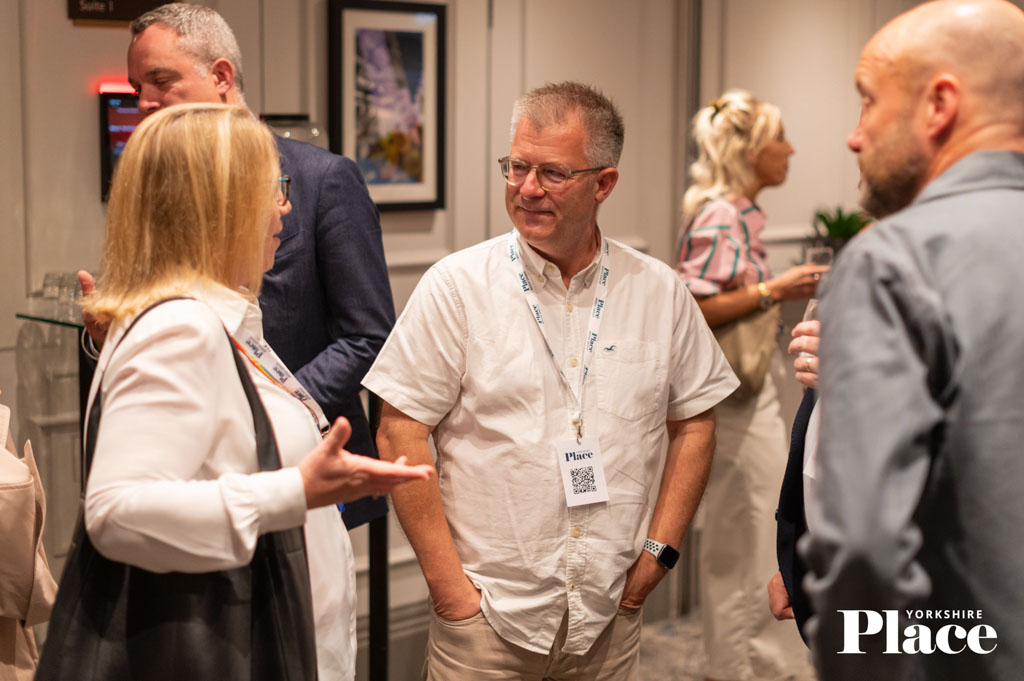
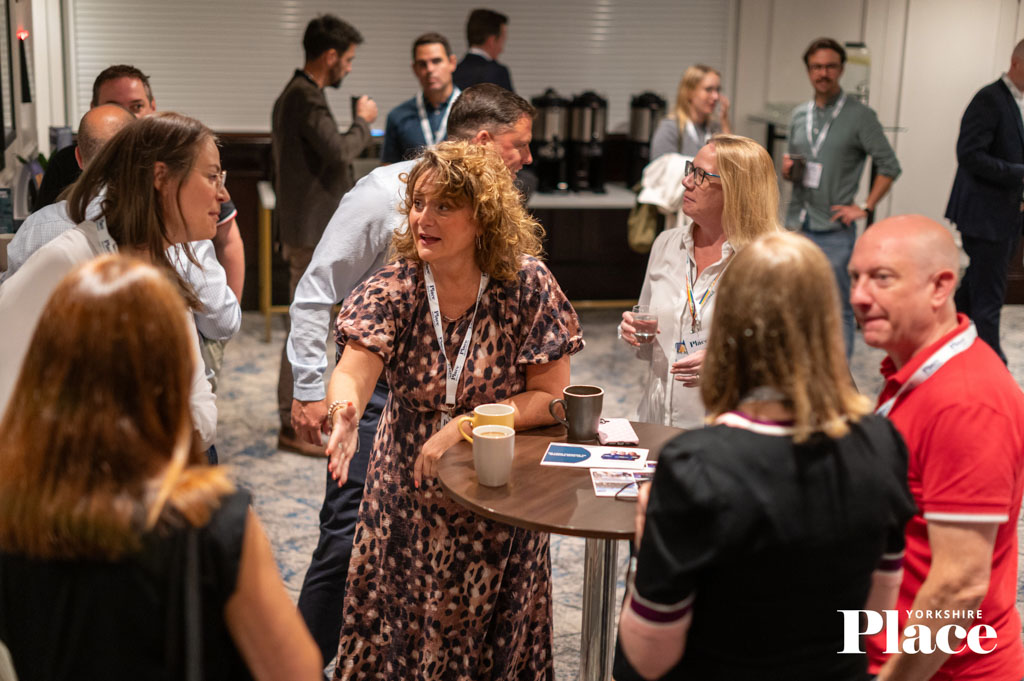
Sponsored by Curtins, Leeds College of Building, and CPW, the West Yorkshire Development Update brought together public and private sector leaders to discuss major regeneration schemes, investment priorities, and the challenges facing development across the region.
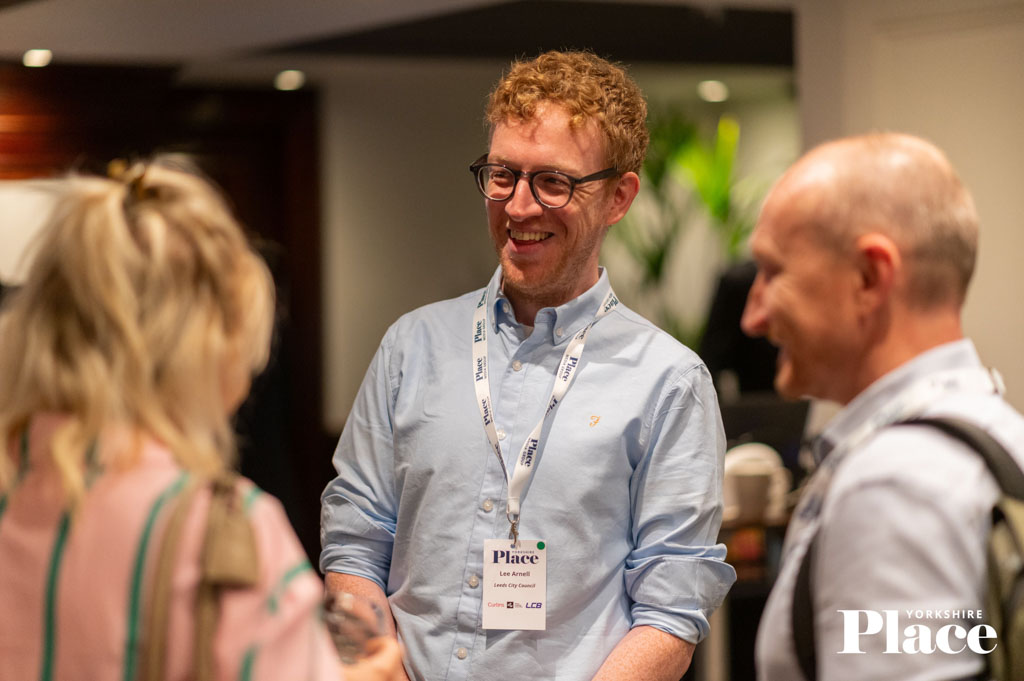
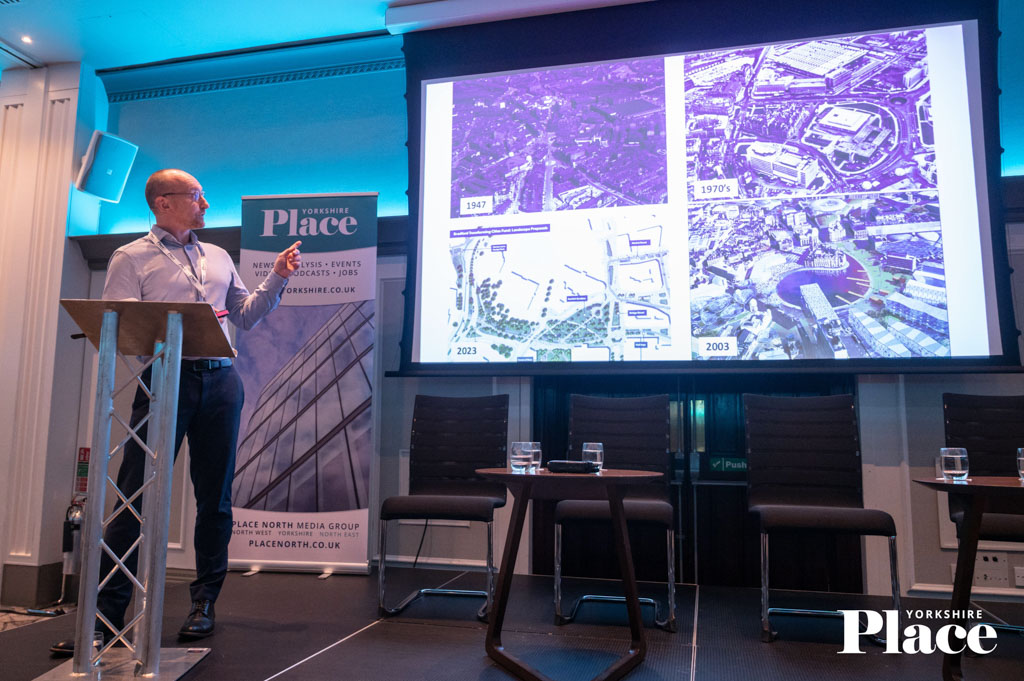
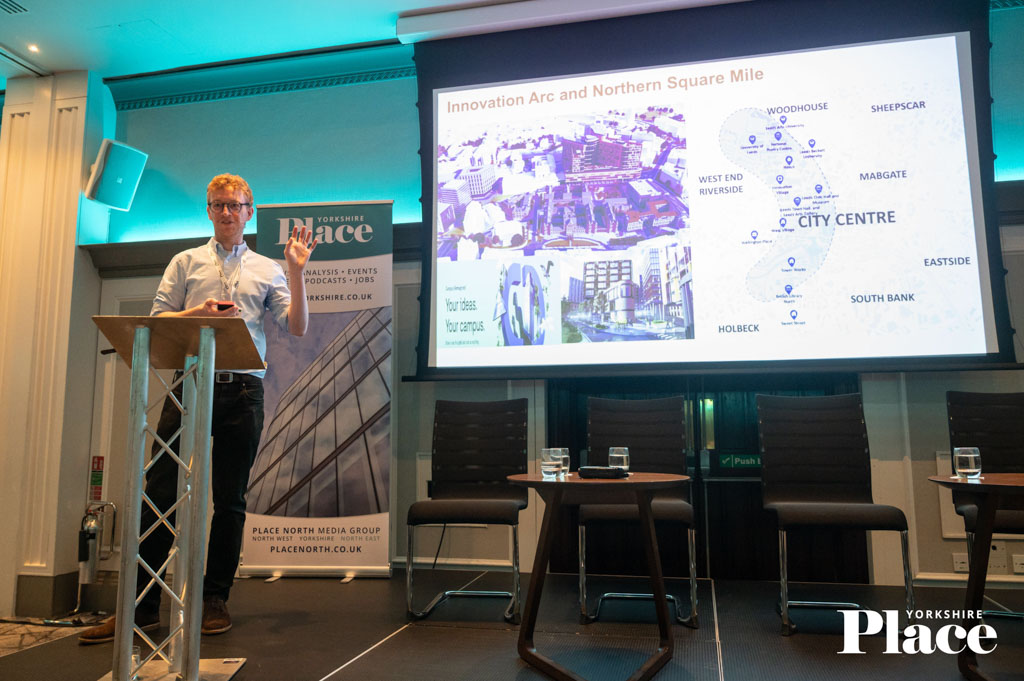
Representatives from Wakefield, Bradford, and Leeds outlined their respective regeneration programmes, with Clare Elliott highlighting projects including Wakefield Exchange, the Civic Quarter and the Kirkgate Neighbourhood Gateway. Adam Brannon discussed Bradford’s strategic development framework, including the City Village and Southern Gateway schemes, while Lee Arnold outlined Leeds’ plans for major projects such as Leeds Innovation Village, Temple Works, and the Royal Armouries.
A key theme throughout the event was the importance of collaboration between local authorities, developers, investors, and public bodies to unlock regeneration opportunities. Speakers highlighted the role of devolution, early engagement with organisations including the West Yorkshire Combined Authority and Homes England, and the need to address viability challenges to support delivery.
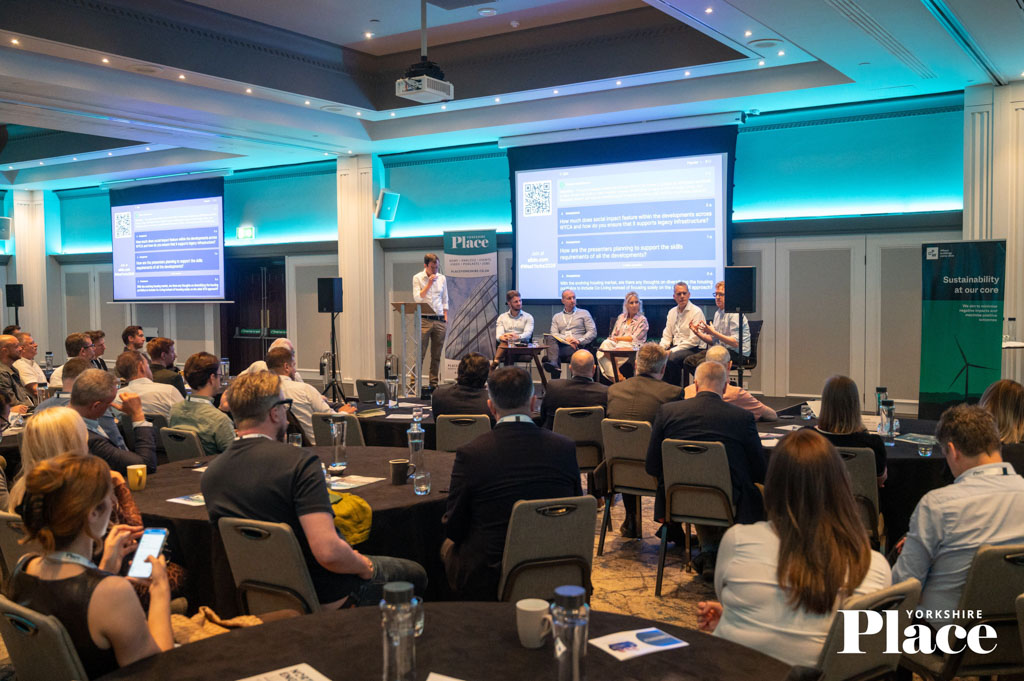
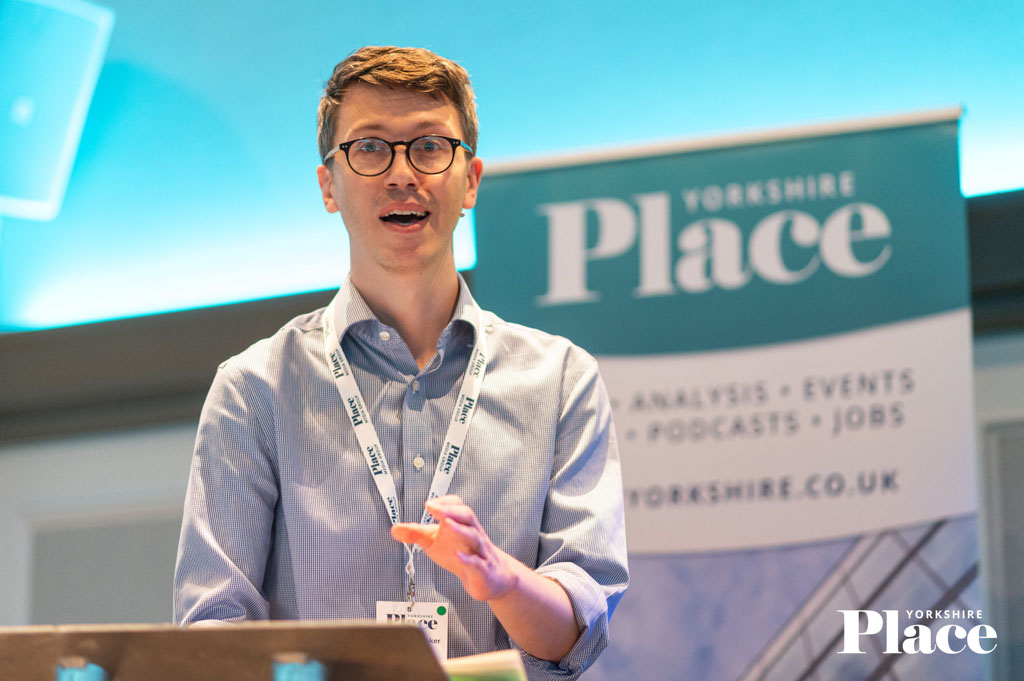
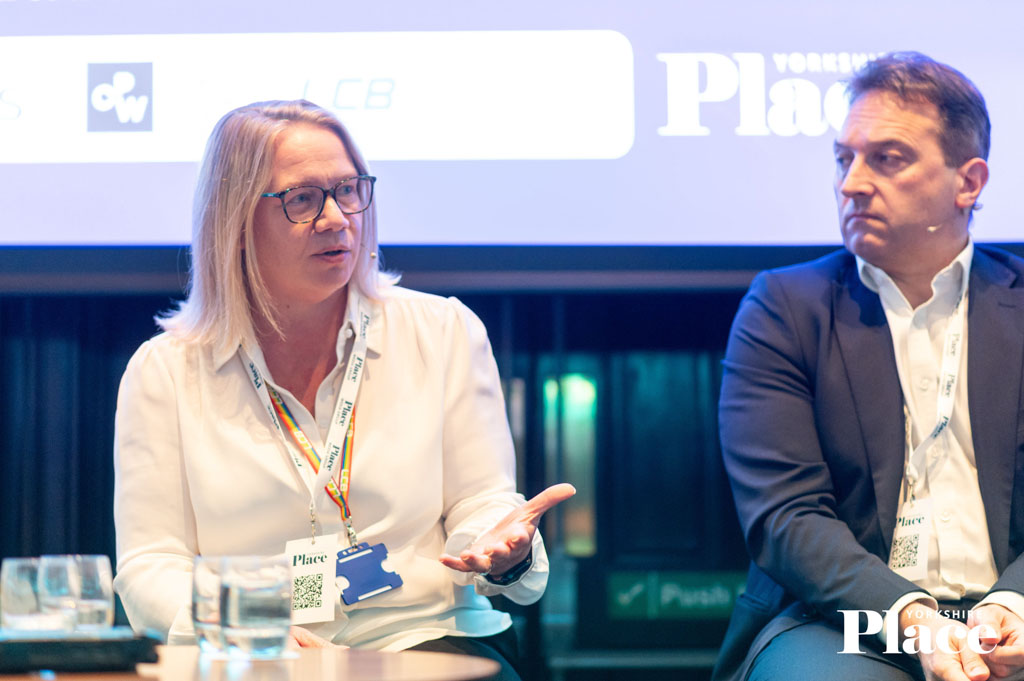
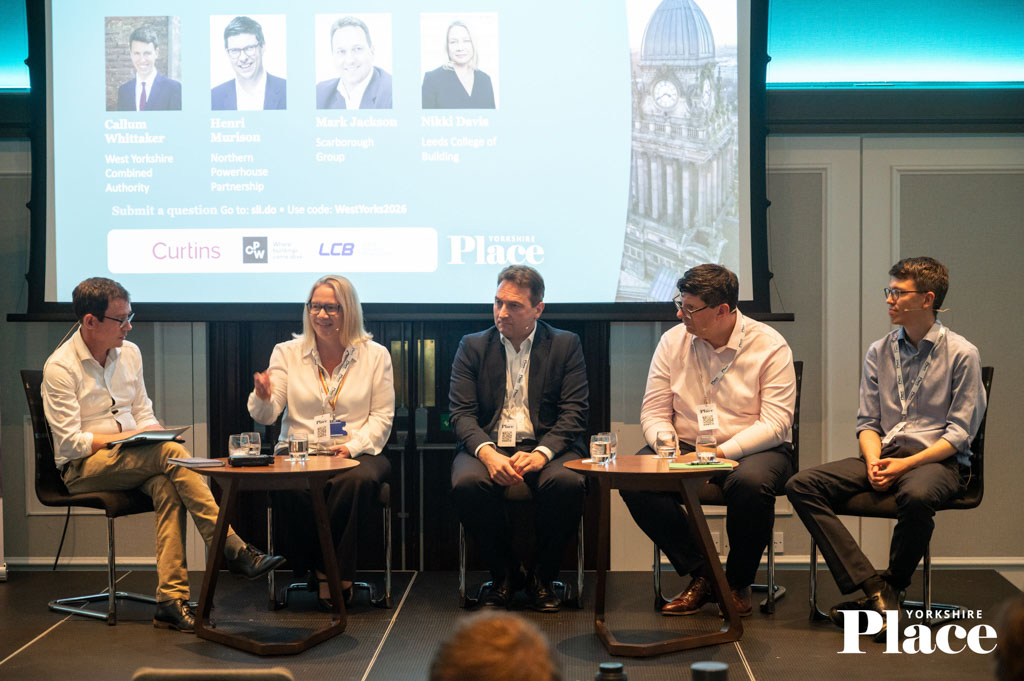
Callum Whittaker of WYCA outlined the region’s priorities for investment and growth, while the final panel of the day discussed wider issues affecting growth, including skills shortages, infrastructure investment, and transport connectivity. Concerns were raised around underinvestment in skills provision, including a reported £10m funding gap for Leeds College of Building, with calls for closer links between schools, colleges and employers to create a pipeline of workers for roles across construction, engineering and the built environment.

Expert speakers
- Henri Murison, chief executive of the Northern Powerhouse Partnership
- Nikki Davis, principal & chief executive officer, Leeds College of Building
- Callum Whittaker, inclusive economy lead, West Yorkshire Combined Authority
- Lee Arnell, head of place and regeneration programmes, Leeds City Council
- Mark Jackson, consultant, Scarborough Group International
- Clare Elliott, service director for economic growth and skills, Wakefield Council
- Adam Brannen, assistant director regeneration & economy, Bradford Council
- David Khalastchi, managing director of Khalbros
- Simon Dew, managing director Yorkshire & North East, Muse
Main topics and themes
- City centre regeneration and urban transformation: Major regeneration plans across Wakefield, Castleford, Bradford, and Leeds were a central focus of discussions, with speakers highlighting the need to repurpose outdated retail assets, increase city-centre housing density and invest in public realm improvements. The ambition is to create stronger civic centres with new residential, commercial and community uses.
- Viability challenges and the role of public funding: Persistent viability challenges remain a barrier to development across West Yorkshire, driven by rising construction costs, weaker values in some secondary locations, and constraints on available finance. There was broad agreement that grant funding remains essential to unlock early-stage “catalyst” projects and attract wider private investment.
- Devolution and stronger local decision-making: Speakers discussed the potential of greater devolution, with references to the “Manchester model” of stronger mayoral powers, local decision-making and a more active role for regional government. Calls were made for increased fiscal devolution and a shift away from short-term competitive funding pots towards long-term, place-based investment.
- Strategic regeneration partnerships and public-private collaboration Long-term partnerships between councils, developers and public bodies were highlighted as key delivery models. Examples included Wakefield’s partnership approach with Muse, Bradford’s work with ECF, and Leeds’ Growth Team, with speakers emphasising the importance of coordinated working between local authorities, the West Yorkshire Combined Authority, Homes England, and private investors.
- Transport, connectivity and infrastructure: Improving connectivity was identified as critical to supporting regeneration, housing growth, and productivity. Discussions focused on rail improvements, Leeds-Bradford connectivity, bus franchising, and the long-standing ambition for mass transit in West Yorkshire, with transport investment viewed as essential to unlocking development opportunities.
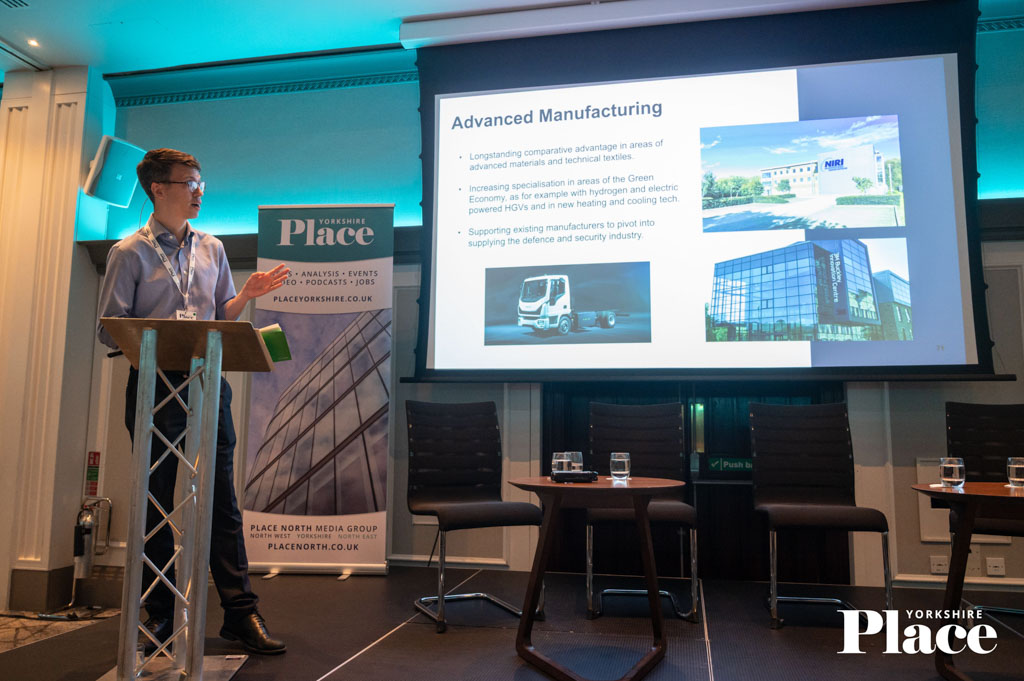
- Economic growth and sector priorities: The West Yorkshire Combined Authority’s growth ambitions are focused on sectors including financial and professional services, health technology and life sciences, digital and artificial intelligence, data infrastructure, advanced manufacturing and clean technologies. These sectors were positioned as central to improving productivity and strengthening the region’s competitiveness.
- Housing delivery and new urban neighbourhoods: Speakers highlighted ambitious plans for city-centre housing growth, including Bradford’s City Village, Wakefield’s Cathedral Quarter, and Leeds’ wider city-centre expansion plans. Discussions focused on the need for a broader mix of housing models, including build-to-rent, affordable housing, co-living and family-focused schemes, alongside developments that deliver wider social benefits.
- Skills, workforce, and inclusive growth: Skills shortages across construction and the built environment were identified as a significant challenge. The discussion highlighted demand from young people for careers in the sector but also capacity pressures within training provision, including constraints affecting Leeds College of Building. Speakers stressed the importance of closer links between education providers, employers and future development projects to create a pipeline of skilled workers.
- Regeneration, health, and social impact: Regeneration was framed as a tool for addressing wider social challenges, particularly in areas facing deprivation. Examples including Born in Bradford, the clean air zone and town deal programmes highlighted the relationship between the built environment, public health, social mobility and economic opportunity.
- AI, data centres, and future productivity: Artificial intelligence and data infrastructure were identified as major opportunities for future economic growth, while also creating challenges around workforce change. Discussions explored the potential benefits of data centre investment, including opportunities around energy use and heat recovery, alongside the need for community engagement, regulation and ensuring local areas capture economic value from new infrastructure.
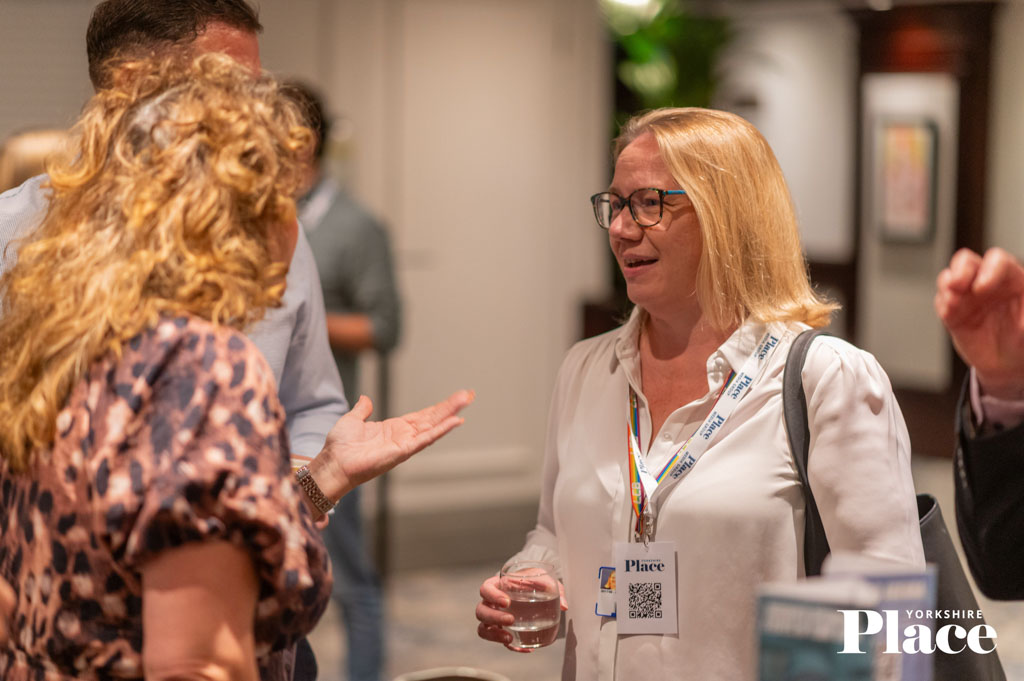
Gallery
Click on any image to enlarge






















Upcoming events
10 September | South Yorkshire Development Update | Sheffield
1 October | Place Party North of England | Manchester AO Arena
15 October | Yorkshire Industrial & Logistics | Leeds
28 January, 2027 | Lancashire Development Update | Blackpool
4 February, 2027 | The Yorkshire Real Estate Summit | Leeds