


Royal ambition: Q&A with Nat Edwards
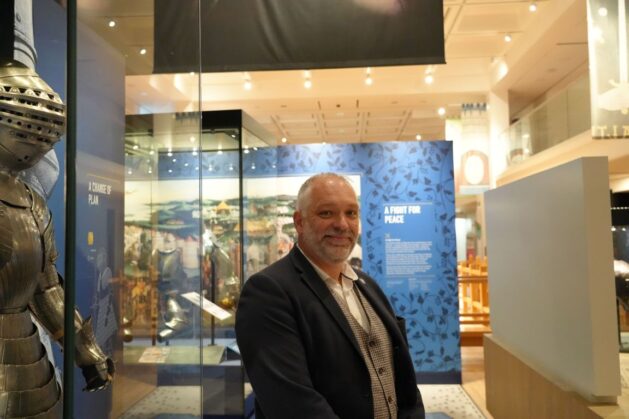
The Royal Armouries is targeting a £100m-plus transformation of its Leeds Dock site after taking full ownership of the land, with a new 38,000 sq ft exhibition and events hall at the heart of its plans. Place Yorkshire spoke with its director general, who believes the project is the biggest culture-led regeneration scheme happening in the North.
Now that the Royal Armouries owns the site outright, what development opportunities does this unlock?
Put simply, taking ownership of the site puts our destiny in our own hands. Since coming to Leeds 30 years ago, the Royal Armouries has become a much-loved part of the city, but we’ve always been tenants and subject to various restrictions that were set out when the lease was first drafted. The museum, the city, our visitors, and our business model have all evolved since then.
For the first time in our 700-year history, we own our own home and we can develop the site to the best benefit of everyone. While we have a great museum and a busy event space that has served us well, just like every national museum, we are facing rising costs and shrinking funding. What’s more, we have more visitors than ever before in Leeds, but with that comes the expectation to have up-to-date displays and to tell stories that matter.
Our vision with the waterfront development will be to turbocharge the stories we can tell, by combining our talent for live events with new immersive technologies and at the same time to expand our conference space so that the city can host bigger and better events than ever.
What exactly are you looking to develop? When do anticipate having an overall masterplan ready for the site?
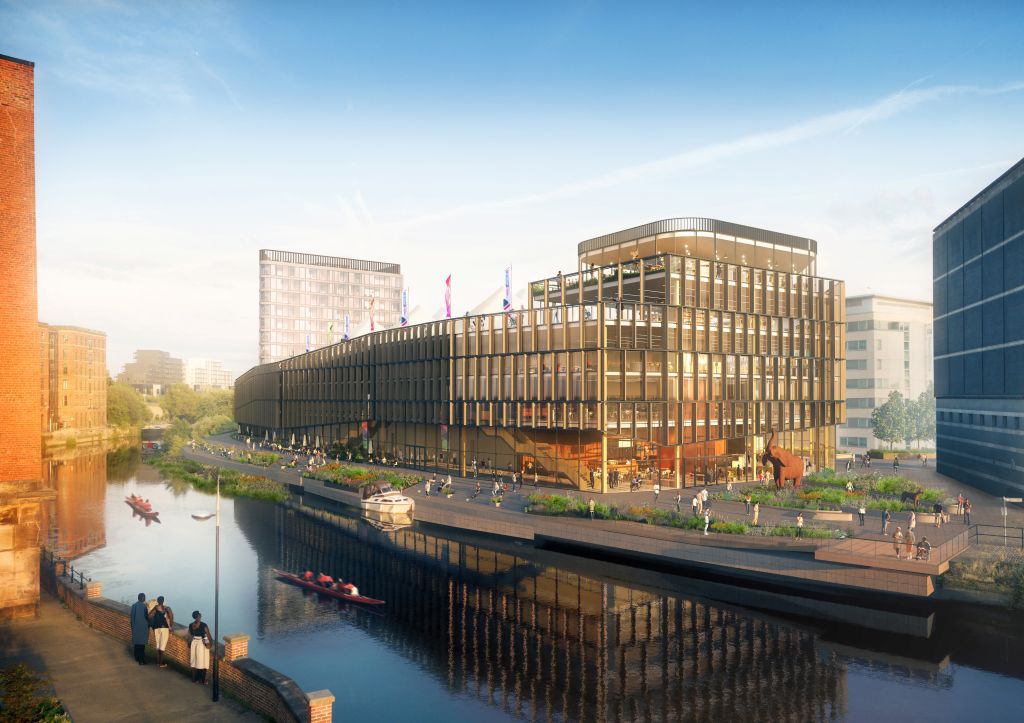
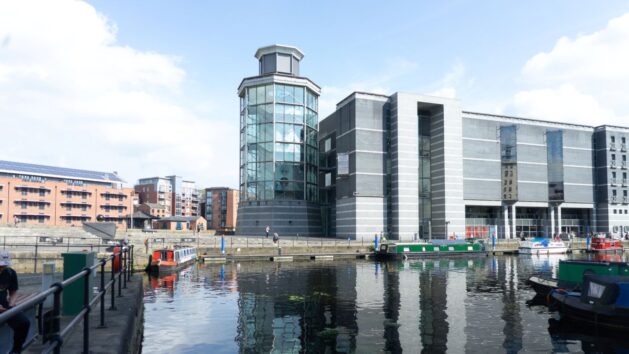
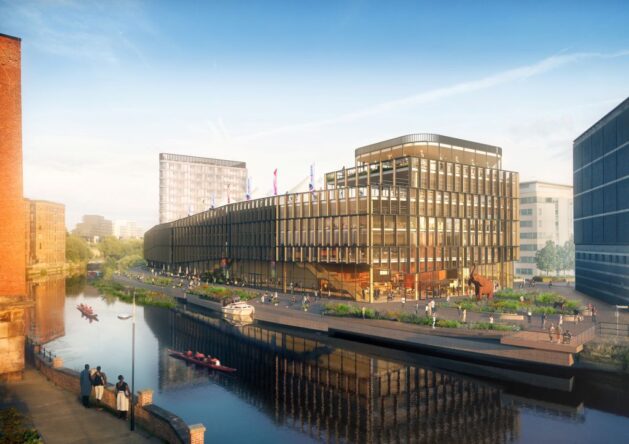
We’re lucky to already have amazing facilities, so the development project is all about building on that. The work we’re currently doing to bring together a design team will help us refine our plans, but fundamentally, our project will focus around a 38,000 sq ft exhibition and events hall, which can be used for a variety of purposes throughout the year.
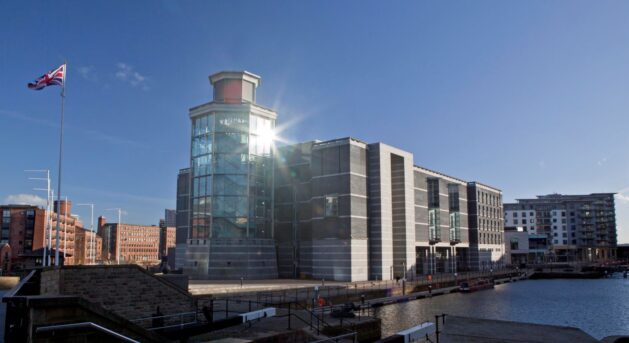
The existing museum will remain, and the new space will allow us to develop new opportunities, whether they be cultural or commercial. In addition to the hall, we will be adding a further 1,600 sq ft of meeting space. To put things in perspective, the current comparable facilities total 38,000 sq ft, meaning we’re more than doubling capacity. This will consolidate our position as the main venue for hosting events in West Yorkshire, while future-proofing our ability to hold major cultural attractions, such as our ever-popular jousting.
Are you looking at new-build, refurbishment, or both? Are there particular buildings or parts of the site that you have identified as priorities for redevelopment?
The waterfront development itself will be an entirely new facility, built on the current tiltyard. The current ground-level facility, which is used for jousting and on occasion for events such as UKREiiF has so much more potential. We will be building a new facility, which much better uses the space available. We believe that this is one of the most exciting and important culture-led regeneration projects in the North at present.
The £11.69m government loan has enabled you to buy the land. How much further investment do you estimate will be needed to deliver the development you have in mind?
As you can imagine, we are working through various options and working with partners to develop a scheme that will realise the best value and the best return on investment. We’re currently looking at a budget north of £100m and a Benefit Cost Ratio of between 2.97 and 3.42. In effect, for every £1m of public money spent, more than £3 of economic benefit will be delivered. This is just the sort of growth that the government is looking for and hence, why they are backing this scheme, which delivers fantastic cultural and economic outcomes, along with the local authority partners.
Where do you expect that investment to come from – government funding, private investment, commercial partners, borrowing, or a combination?
The funding mix for the project will be made up of a public sector-backed loan, private sector investment, and grants. Because of the museum’s status as a national asset and the fact that this is a culture-focused project, we have a good relationship with government. You can see from the news earlier this year that we are already working with DCMS and others to realise the potential of this project, and the £11.69m government-backed loan which allowed us to purchase the necessary land is a good start.
Are you actively talking to investors or development partners yet?
The nature of the dock means that we are in regular discussion with private sector developers, but also with the local authority. Developing out the site brings with it enormous knock-on benefits, such as driving significantly increased footfall to this part of the city, and providing opportunities for improved amenity and wider development around the dock.
The fact that we’ve hosted UKREiiF since 2022 also stands us in good stead. Anyone who’s anyone in this sector has visited us in recent years, truly advertising that money can’t buy. The scheme is a key catalyst for the South Bank redevelopment and so our discussions with investors are both directly for the scheme but also to encourage the wider investment in the adjoining land.
When would you expect the project to move from ambition into a formal development programme, with architects, contractors, and consultants appointed?
We’re currently in the final stages of appointing our design and consultant team, so we expect to move forward at pace very quickly from here on in. We should be in a position to announce our chosen architect in early October, with further design team members following on in short order after that. That team will see us work towards a goal of submitting formal plans to the council during the second half of 2027.
Would you expect the scheme to be delivered in phases, and if so, what would come first?
The beauty of our plans for the waterfront development project is that it will have very little impact on the rest of the site. The existing museum building will remain open throughout, as will New Dock Hall and other event facilities. This means that we can not only continue to welcome visitors to the museum during this time, but we can also generate revenue from our commercial activities, such as events.
Indeed, we’ve already signed-up new customers, such as the Entrepreneur Festival, which will come to the dock for the first time in summer 2027. Being able to keep the huge majority of facilities open during construction is really important.
Are you looking at a particular timescale for starting construction, and what would you like to have physically delivered in five years?
Our current estimates indicate a start on site in mid 2028, with practical completion and fit-out/commissioning being completed in early 2031. We’re being ambitious in terms of delivery, but we also need to be practical at the same time. We are a site that exists for our visitors, and we want to maintain a fantastic experience both for them, for residents and businesses in the wider dock but also for commercial customers. Our programme sets out to deliver that.
How important is hotel capacity to your plans? Are you envisaging a hotel forming part of the Royal Armouries’ own development, or are you hoping to encourage a separate hotel development on or around the site?
The relative undersupply of hotel capacity in Leeds is a well-debated point. We already have a great hotel on site, but we will continue to work with the local authority, hospitality providers, and the private sector to identify need, and meet that need where possible. It’s also not just about capacity, it’s about facilities.
From our discussions with the hotel sector so far, they recognise the significant benefit that the new conference and exhibition space has to the commerciality of their proposals. We need the right offer here on site to meet the demands that will be placed upon us by enhanced event facilities. We’re keeping an open dialogue about that aspect, but we certainly recognise the value that new hotel capacity could bring – not only for the project, but the wider city and region.
We also have a site next to the Tilt Yard for a hotel that would be right next to the new events and exhibition facility.
What could the scheme mean economically for Leeds Dock and the wider city?
Put simply, we believe that this is the biggest culture-led regeneration scheme happening anywhere in the North. We have demonstrated the cultural value that the Royal Armouries has brought to Leeds over the past 30 years, and I’d say that over the past decade we have also demonstrated the massive economic benefit we can deliver too.
By building on what we’ve already got, alongside the great reputation that has been delivered in partnership with the city and region, we stand ready to deliver even greater benefit. That will mean creating new jobs, making Leeds dock an even better place to visit or live, anchoring local regeneration and growth, and becoming an even better source of pride for everyone in the region.
After all, there is only one city in the world that can say it’s home to the headquarters of the world’s oldest museum.