


South Yorkshire Development Update | summary & photos
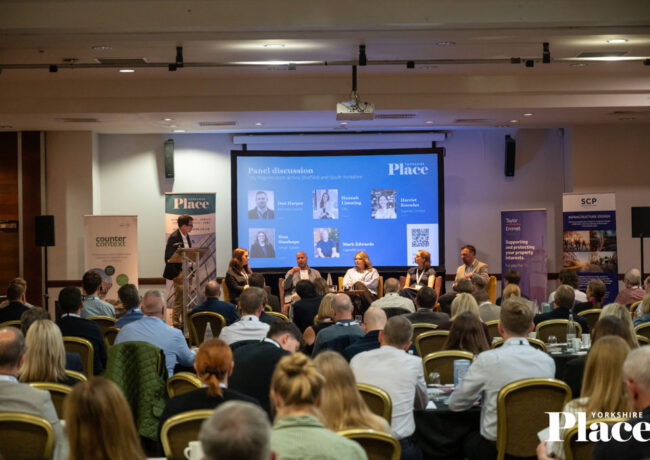
Sponsored by SCP, Sheffield City Council, Counter Context, Taylor Emmet, and Leeds College of Building, the event brought together representatives from across all four of South Yorkshire’s councils and the Combined Authority, as well as private sector figures, to discuss the region’s development pipeline, investment opportunities, and the infrastructure needed to support future growth.
A strong theme throughout was the scale of development now being brought forward across the region, alongside the importance of collaboration between councils, developers, investors, and the private sector to turn long-term ambitions into deliverable projects.
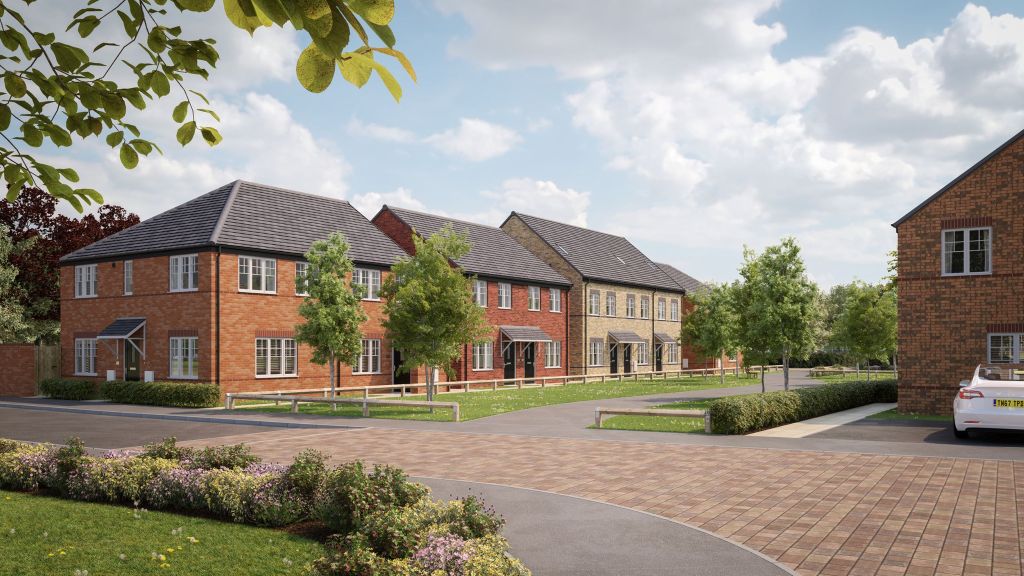
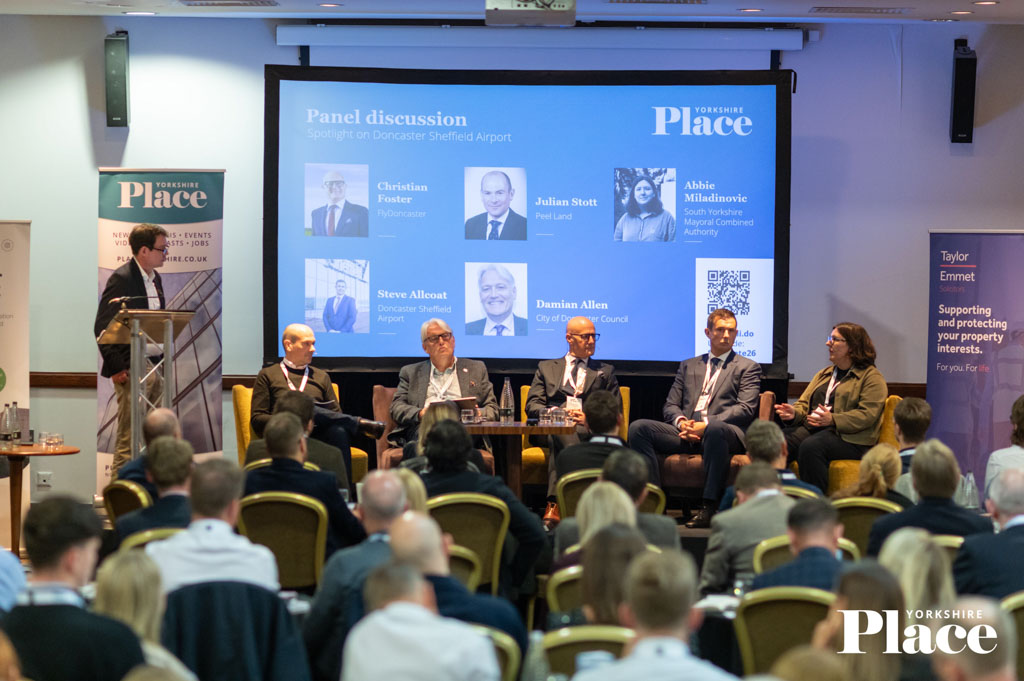
Doncaster Sheffield Airport was a major focus, with the panel setting out the progress being made towards reopening the airport and the wider development opportunity around the site. Speakers highlighted significant potential for passenger services, freight and logistics, with Peel also outlining its plans for the wider site, including the 1,400-home Hurstwood scheme. The first phase of around 300 homes is expected to start next year, while a series of construction tenders for the airport itself are due to come forward over the next few weeks.
Rotherham highlighted the potential of the Don Valley corridor, with major opportunities including the proposed Rotherham Gateway railway station and the 2,000-home Bassingbourn Farms scheme. The council is preparing to go to the market for a development partner, with pre-market engagement planned this autumn and procurement expected to begin in early 2027. The station proposal is also intended to unlock significant employment development alongside housing and improve connectivity between Rotherham, Sheffield and the wider region.
Sheffield outlined a substantial pipeline of housing, commercial and regeneration projects, with its Growth Plan targeting 38,000 new homes by 2035, including 18,000 in the city centre. Speakers highlighted schemes including Furnace Hill, Neepsend, Moorfoot and the Sheffield Station Campus, alongside the Innovation Spine and the £300m West Bar development. There was also evidence of renewed confidence in the city’s commercial market, with more than 250,000 sq ft of office transactions recorded in the first half of 2026.
Barnsley, meanwhile, showcased its plans to build on its emerging technology and digital economy while continuing the transformation of its town centre. The council highlighted opportunities around its digital campus, including a proposed national centre for digital technologies and a four-star hotel, as well as major housing and employment sites including Barnsley West. Across all four areas, the message was that South Yorkshire has moved beyond simply setting out long-term strategies and is increasingly focused on bringing sites, infrastructure and investment opportunities to market.

Expert speakers
- Abbie Miladinovic, strategic lead – investment zone, growth, business & skills, South Yorkshire Mayoral Combined Authority
- Damian Allen, chief executive, Doncaster Council
- Christian Foster, chief executive of FlyDoncaster
- Steve Allcoat, head of assets, capital & engineering, Doncaster Sheffield Airport
- Julian Stott, development director, Peel Land
- Dan Harper, head of economic development, Barnsley Council
- Sian Stanhope, development manager, Urban Splash
- Andrew Bramidge, executive director regeneration & environment, Rotherham Council
- Hannah Limming, head of brand, Citu
- Kate Martin, executive director, Sheffield City Council
- Mark Edwards, development director, Capital&Centric
- Harriet Knowles, director of regeneration, Counter Context
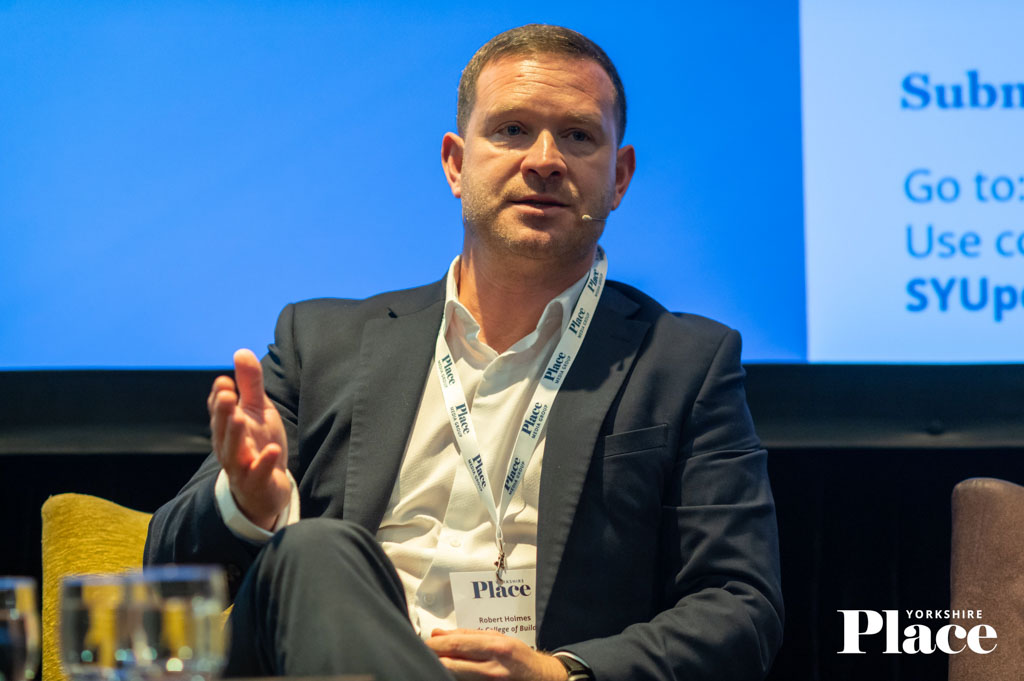
- Rob Holmes, vice-principal, Leeds College of Building
Main topics and themes
- Devolution and South Yorkshire’s growth strategy: The South Yorkshire Mayoral Combined Authority outlined its expanding powers and plans to use devolution, investment zones, new funding mechanisms and greater revenue-raising powers to accelerate economic growth, housing delivery, regeneration and investment across the region.
- Strategic development and regeneration opportunities: The region highlighted four priority growth areas: Sheffield’s innovation spine, the Dearne corridor, Doncaster, and Barnsley, alongside major opportunities for new homes, innovation space, employment development and regeneration. There was a particular focus on bringing forward investment-ready sites and using public funding to unlock private-sector development.
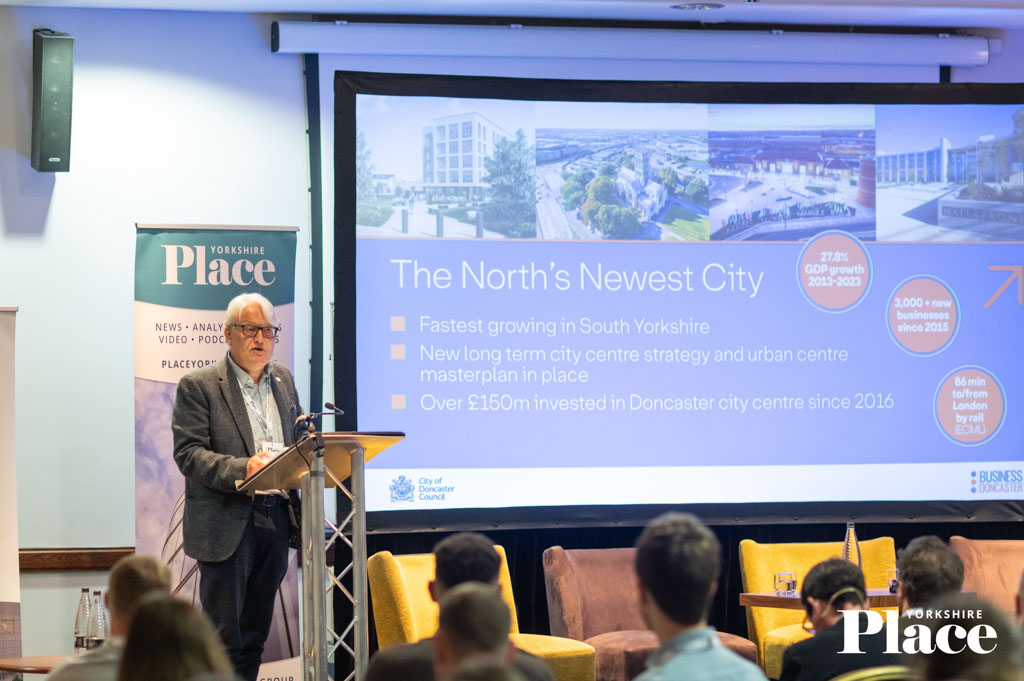
- Doncaster’s growing development pipeline: Doncaster presented a portfolio of major opportunities across the city centre, Gateway One and Gateway East, Unity Yorkshire, iPort and Doncaster North. Key sectors include advanced manufacturing, logistics, rail, digital technology and clean growth, alongside a 100-acre waterfront regeneration opportunity and significant public investment already being used to support development.
- Reopening Doncaster Sheffield Airport and its wider economic impact: The airport was positioned as a major regional infrastructure and development opportunity, with freight operations targeted for the end of 2027 and passenger services from spring 2028. Plans include substantial expansion of airside logistics and manufacturing space, with the potential to support more than 10,000 jobs and around 400,000 tonnes of freight, alongside new housing and supporting infrastructure.
- Infrastructure, skills, sustainability, and delivery challenges: Discussion highlighted the practical barriers to delivering the region’s ambitions, including viability, development and infrastructure costs, grid capacity, regulation, and skills shortages. Speakers also stressed the importance of local skills and supply chains, sustainable development, renewable energy, nature recovery and creating the housing, education and community infrastructure needed to support future growth.
- Leeds College of Building highlighted the need for employers to play a greater role in developing the construction workforce, with vice principal Rob Holmes urging businesses to engage with colleges, apprenticeships and the new Teacher Industry Exchange Programme.
- Rotherham outlined major growth plans centred on the Don Valley corridor, including around 2,000 homes at Bassingbourn Farms, a proposed Rotherham Gateway mainline station and new employment space around the station. The council is targeting procurement of a development partner for Bassingbourn in early 2027.
- Sheffield said it had moved from strategy into delivery following the launch of its Growth Plan to 2035, with around 38,000 homes planned across the city, including 18,000 in the city centre. Major schemes highlighted included Furnace Hill, Neepsend, Moorfoot, and the Sheffield station campus.
- Sheffield also highlighted growing confidence in its commercial property market, with more than 250,000 sq ft of office transactions recorded in the first half of 2026, prime rents reaching £32 per sq ft and the £300m West Bar scheme securing a major commitment from the Department for Work and Pensions.
- Barnsley outlined its plans to diversify the local economy through technology and regeneration, including the next phase of its Digital Campus, a proposed national centre for digital technologies and a four-star hotel. The council also highlighted major development opportunities including Barnsley West, with 2,000 homes and 86 acres of employment space, and a further 106-acre employment site near the A1.
Gallery
Click on any image to enlarge
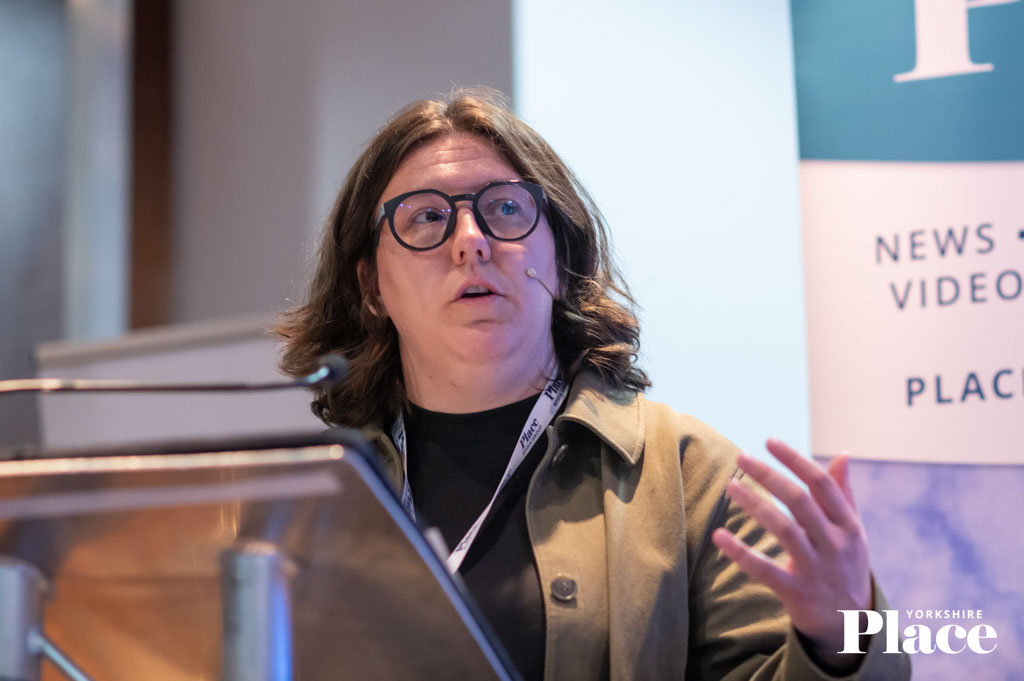


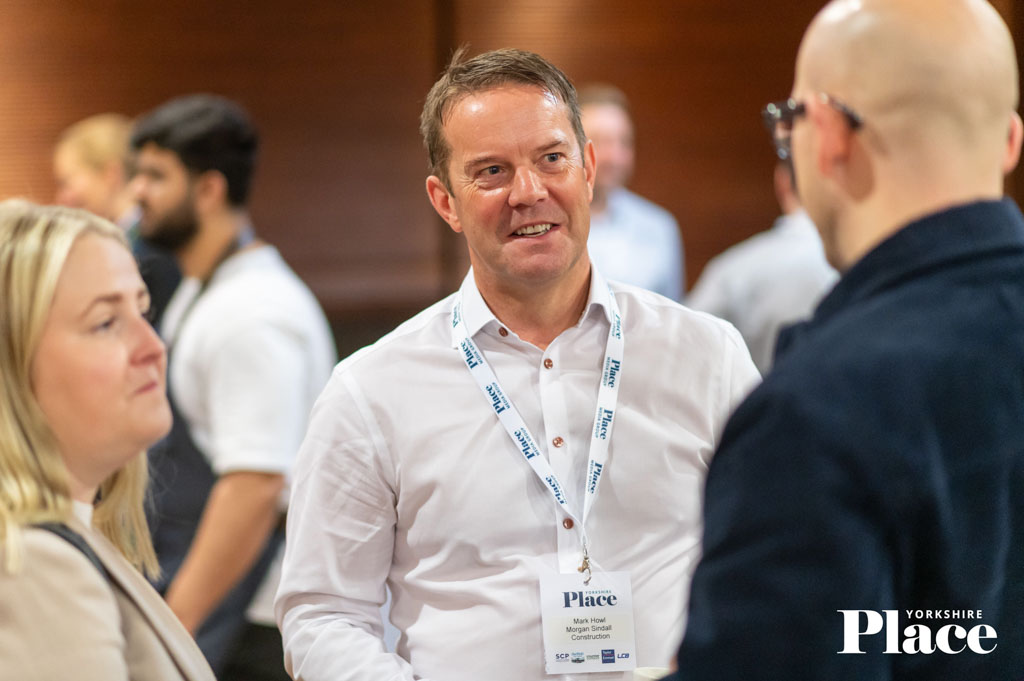
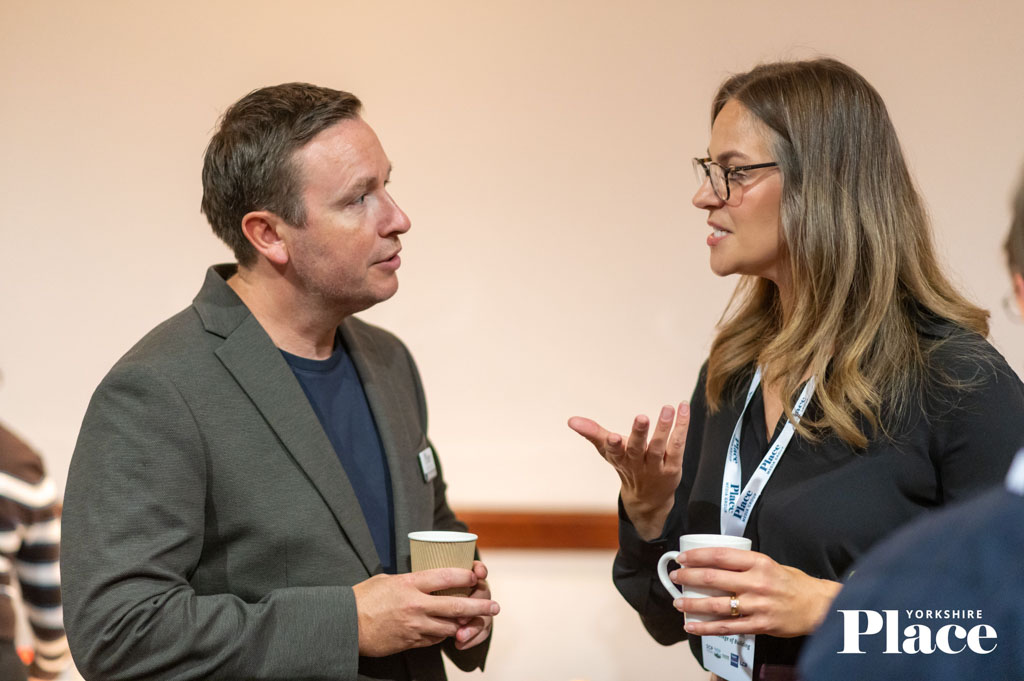
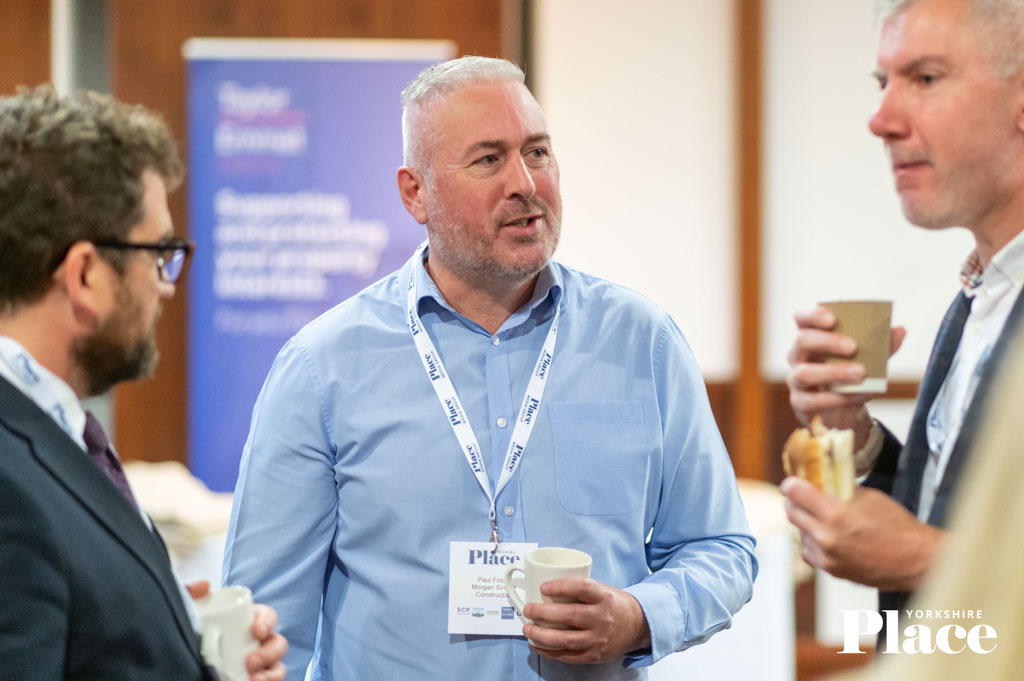


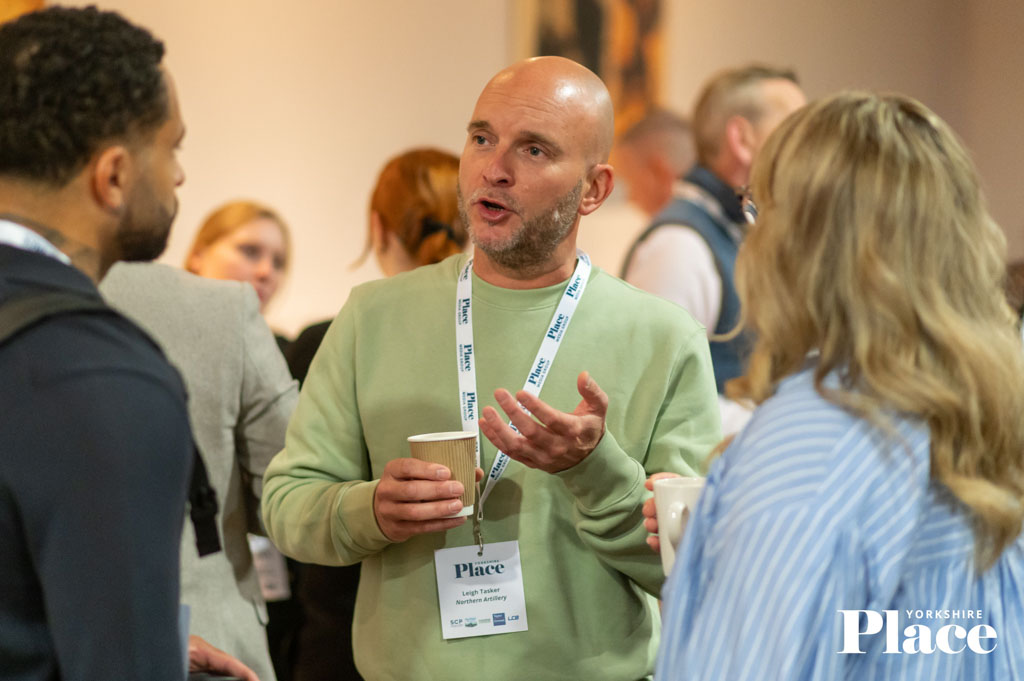

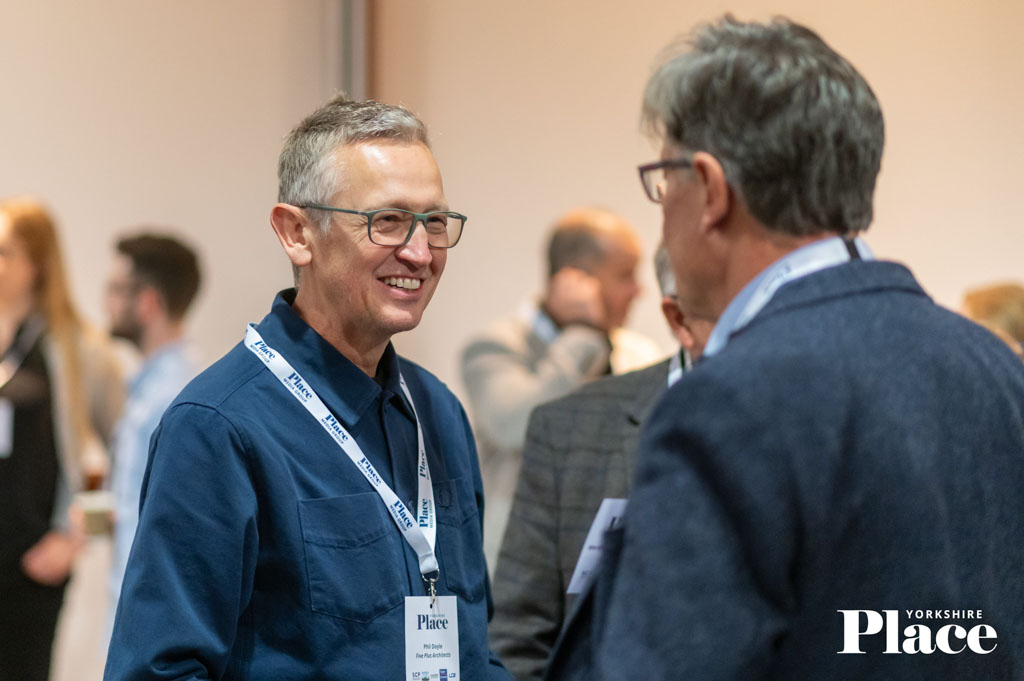

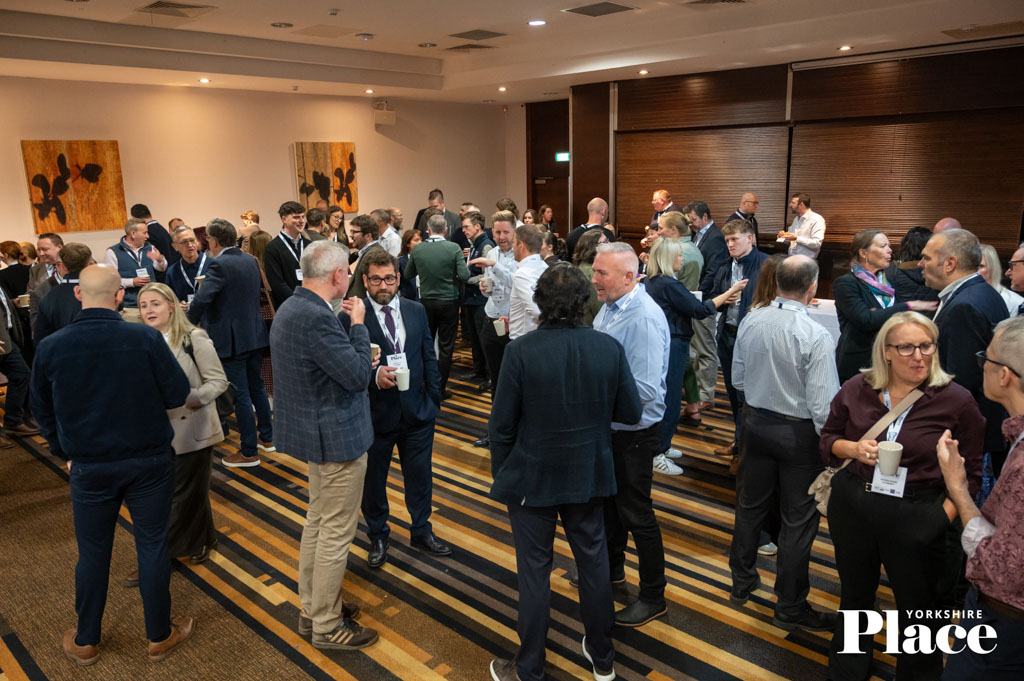
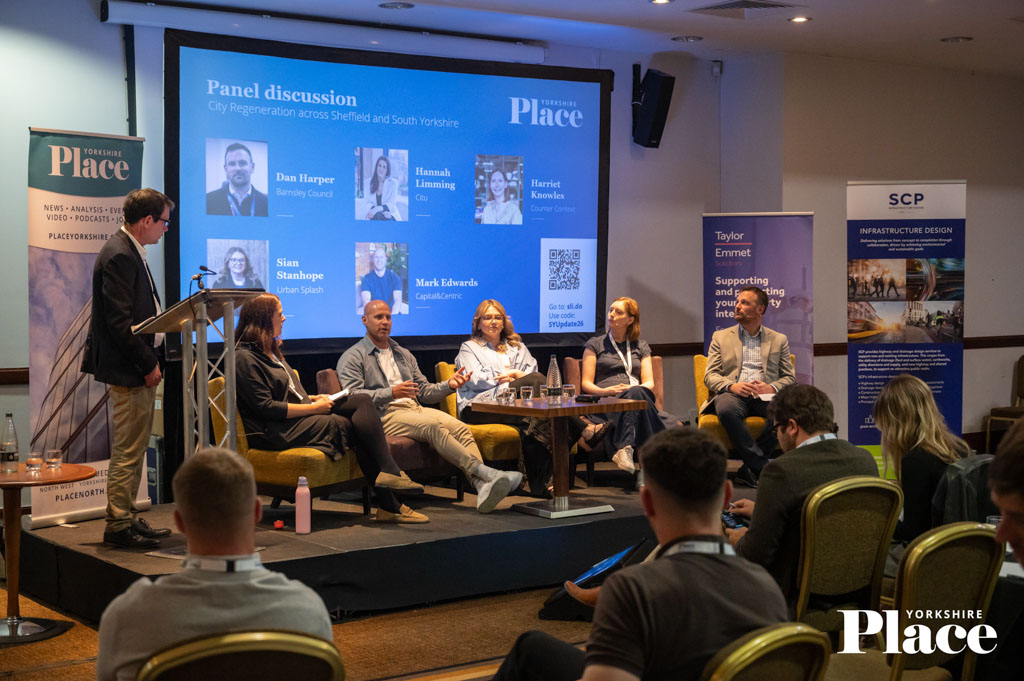
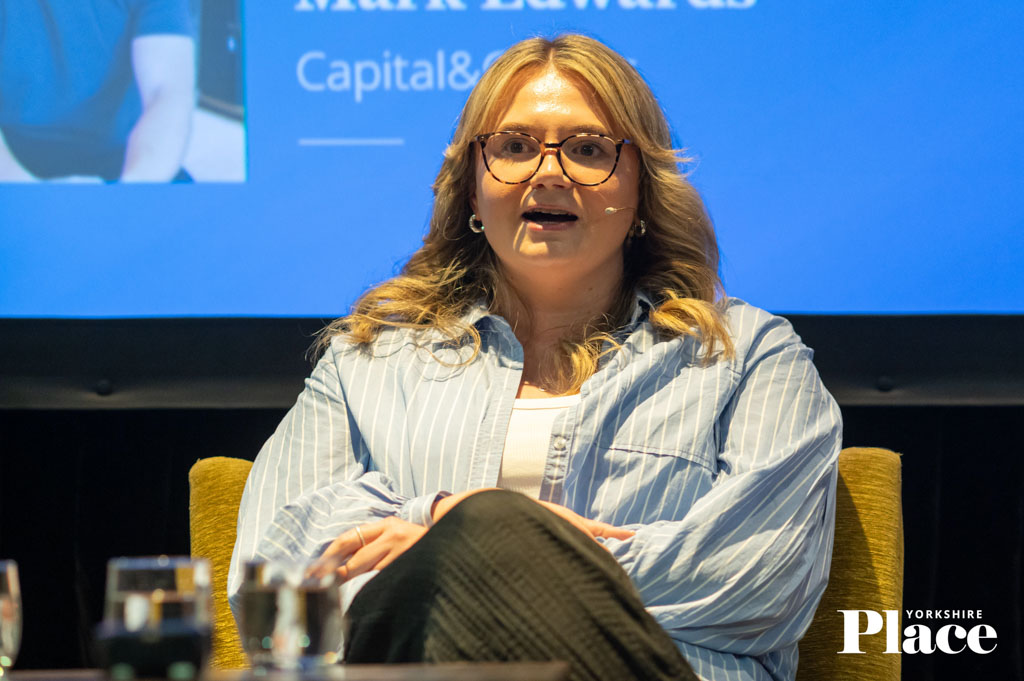
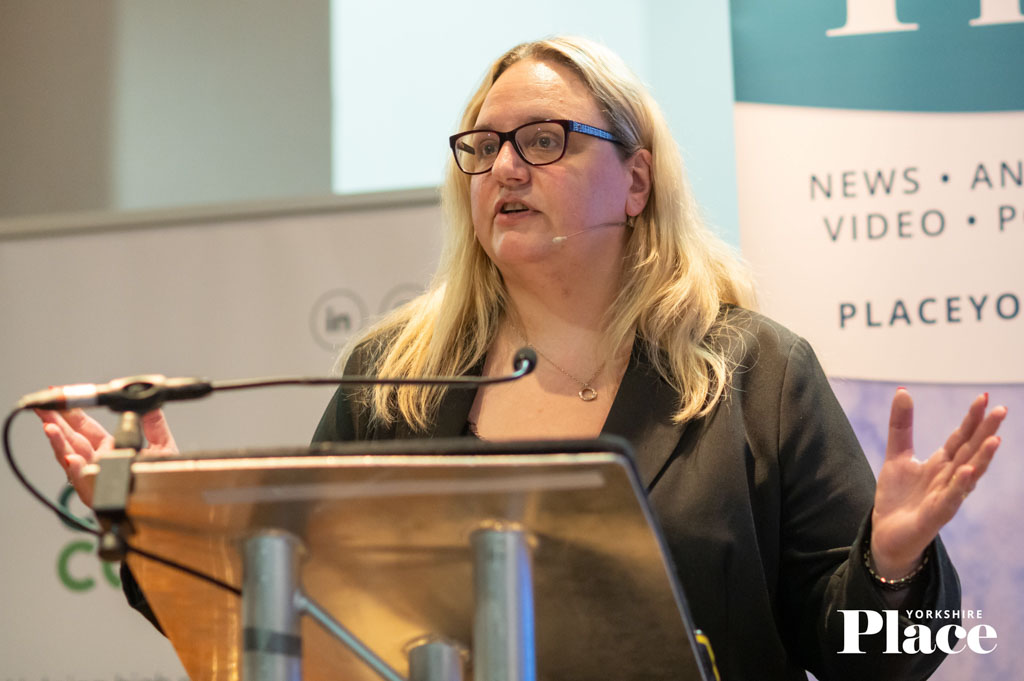
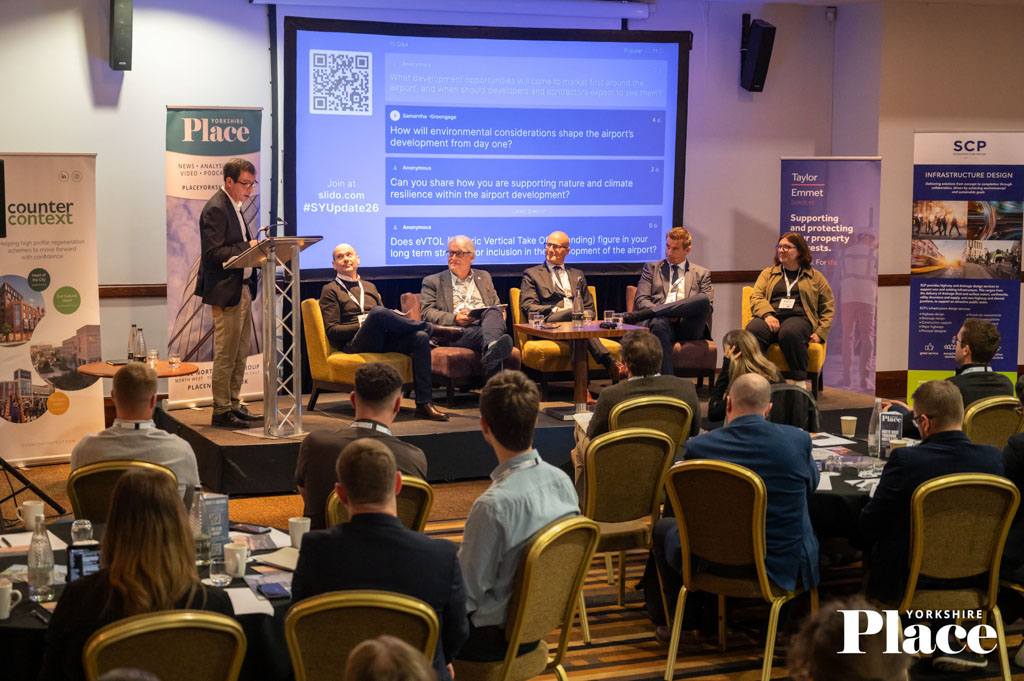
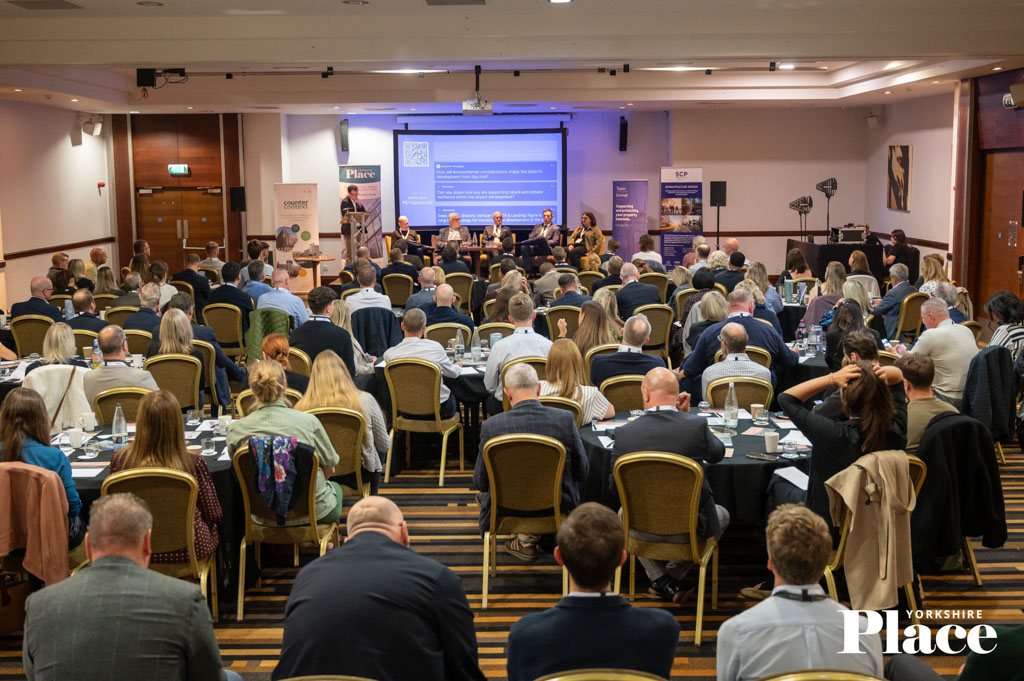
- The second panel of the day focused on urban regeneration in the region's towns and cities. Credit: Place Media Group
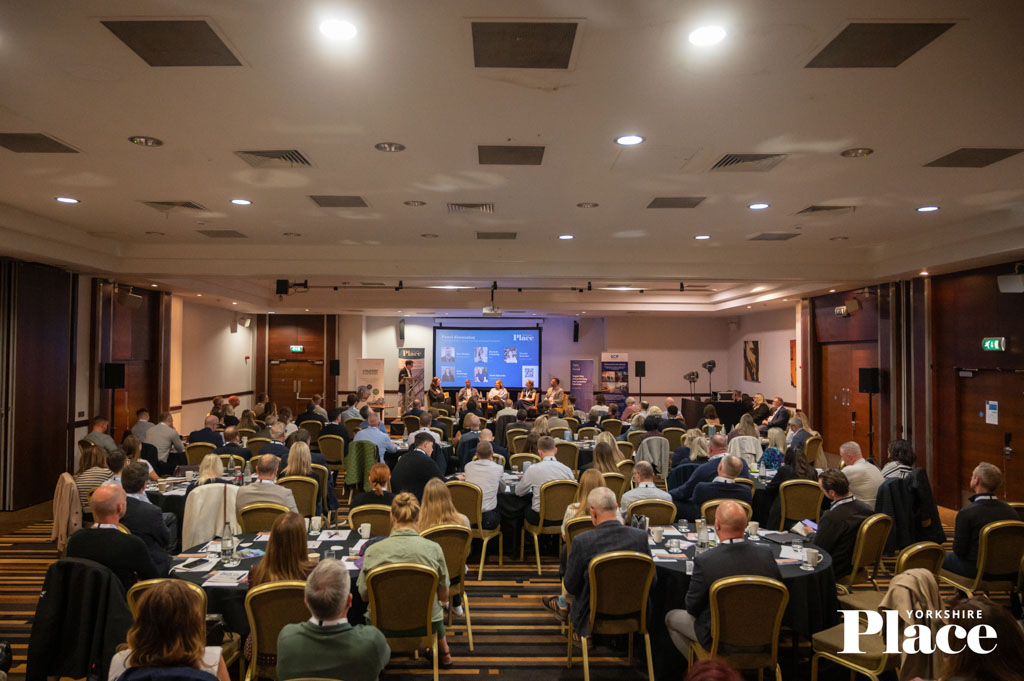
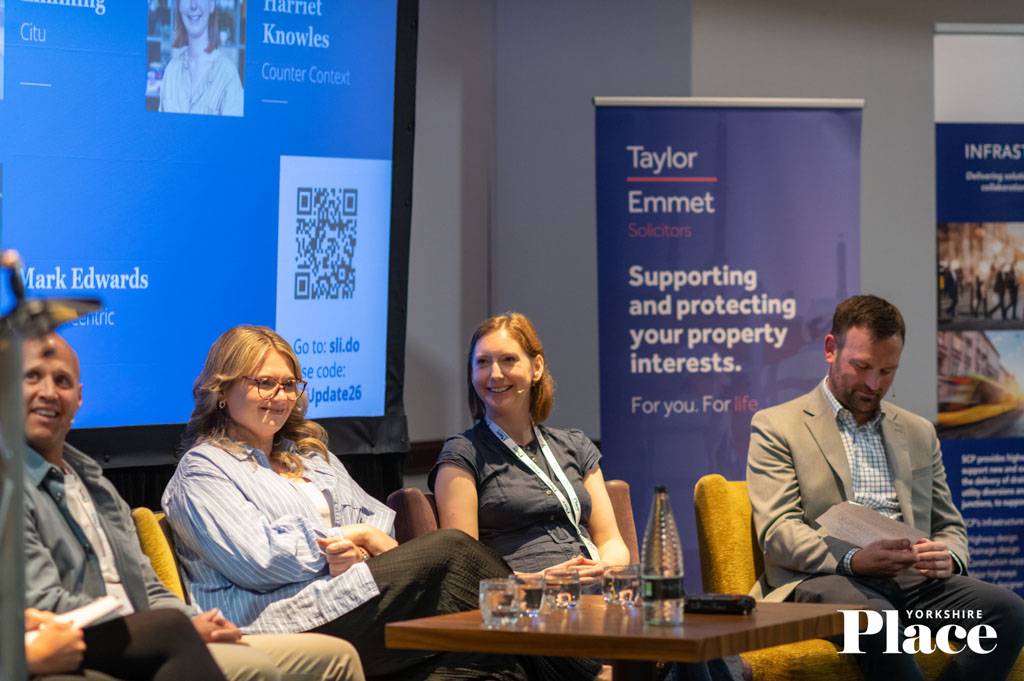
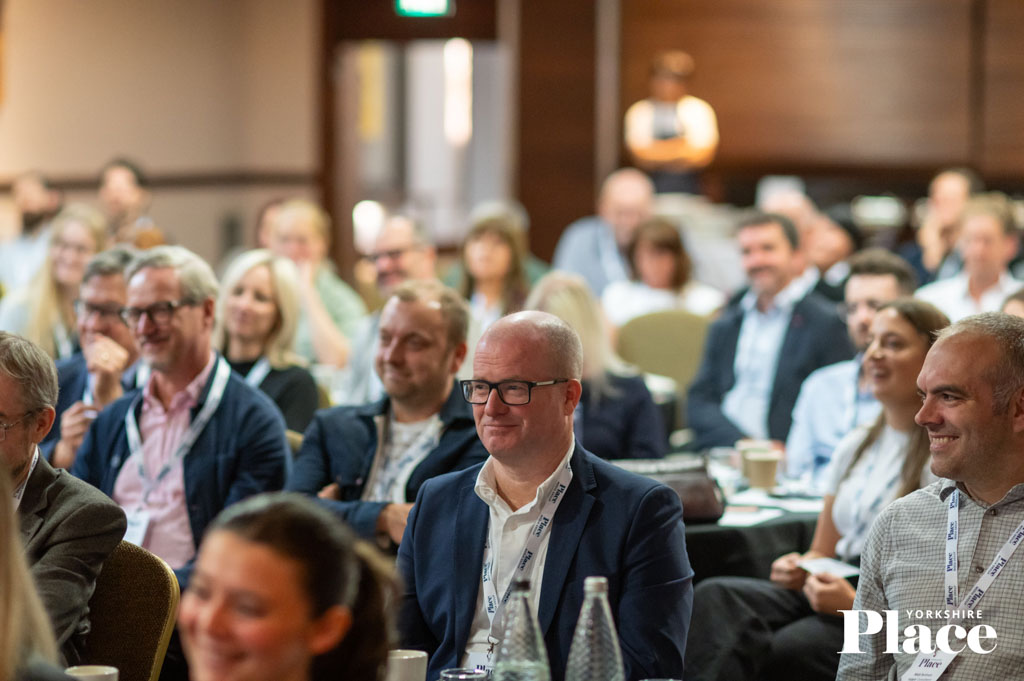
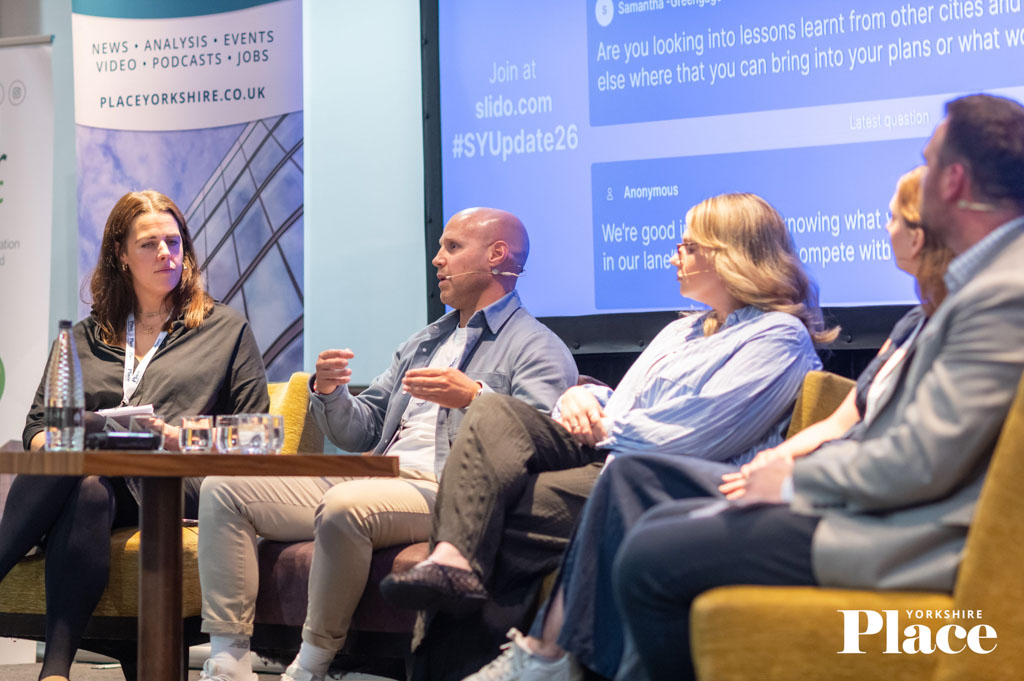
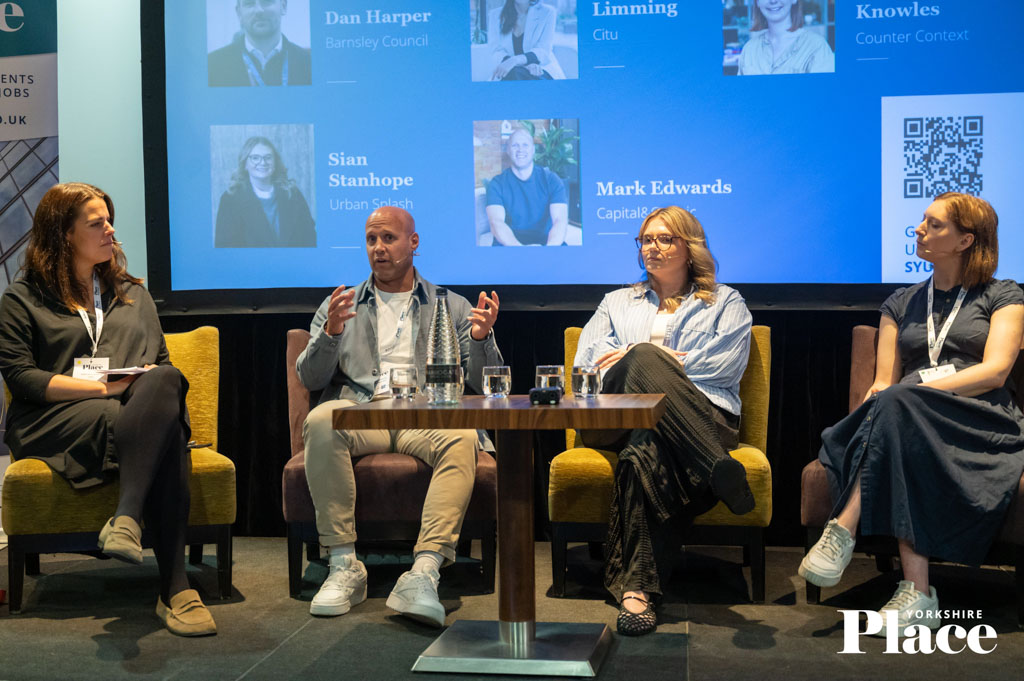
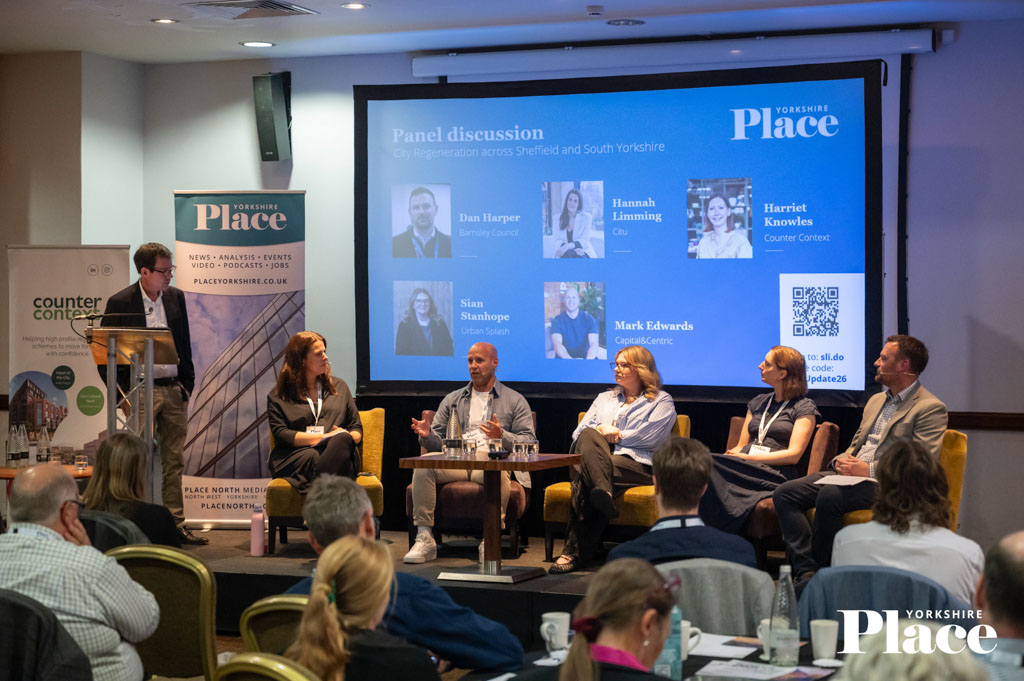
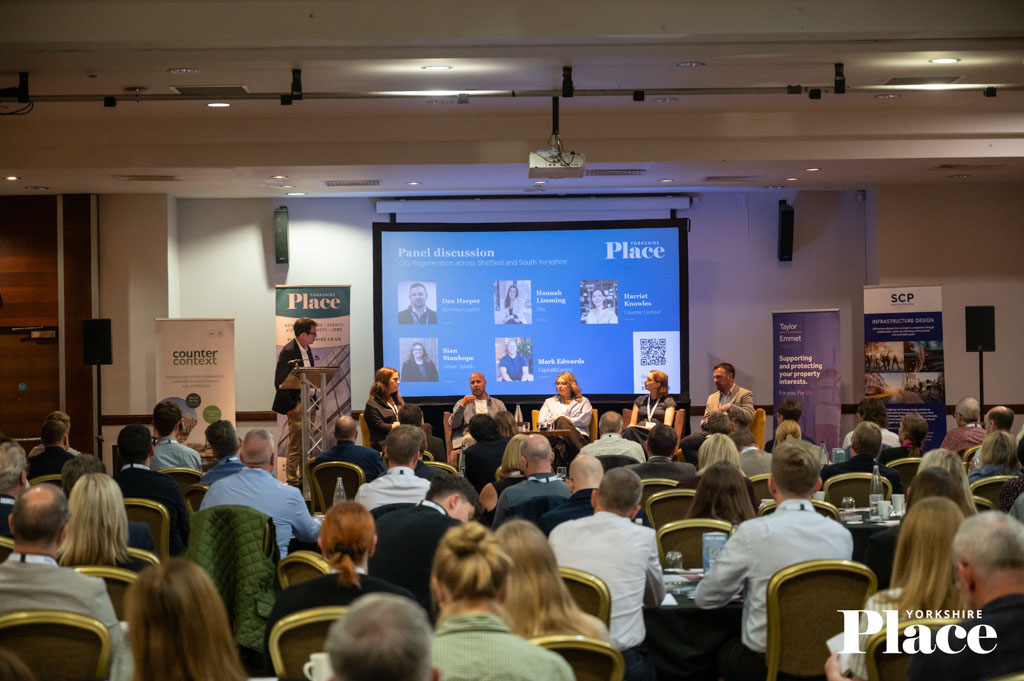
- The second panel focused on urban regeneration in the region's towns and cities. Credit: Place Media Group
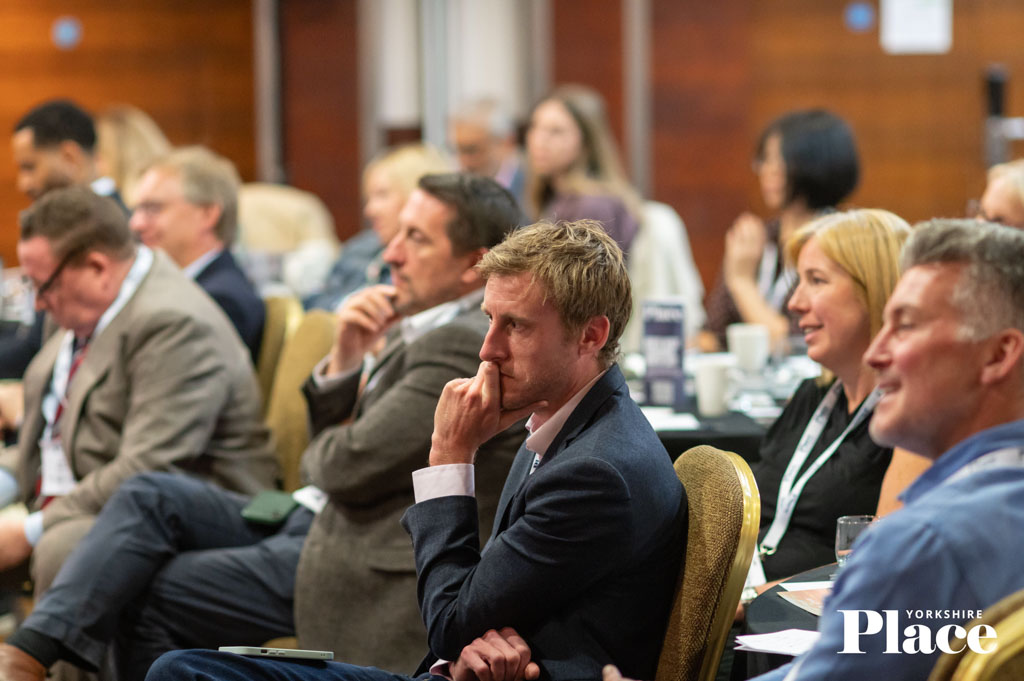
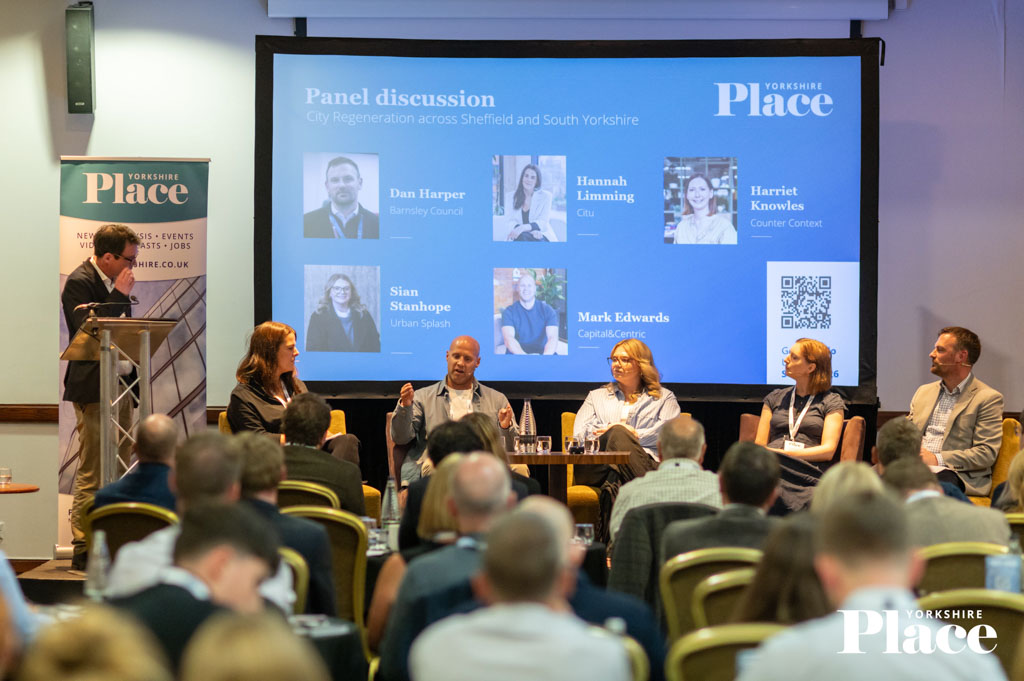

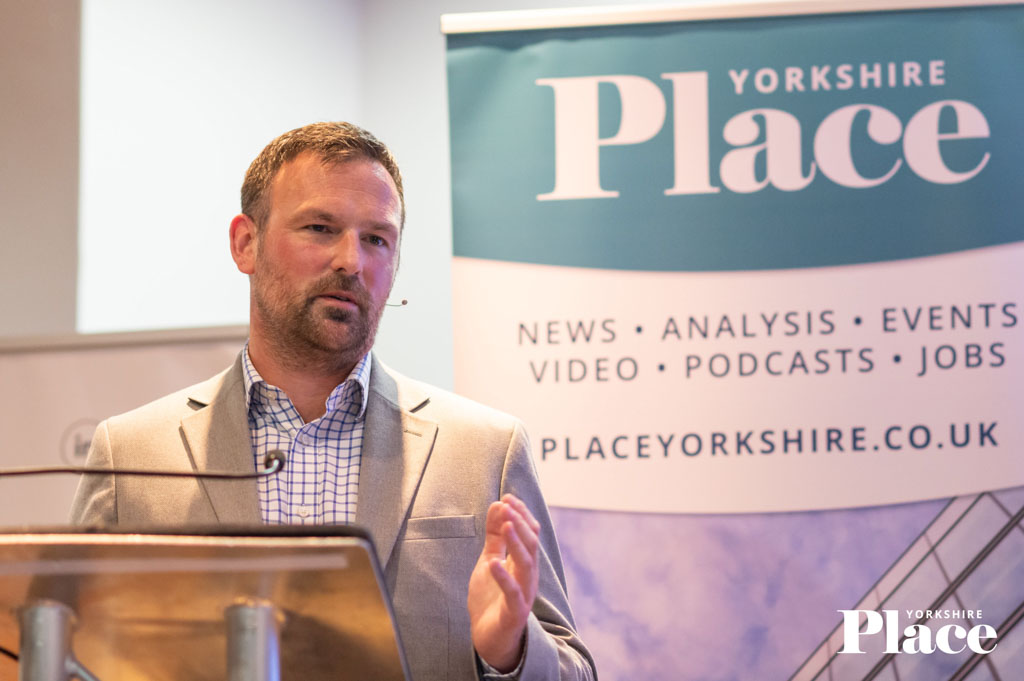
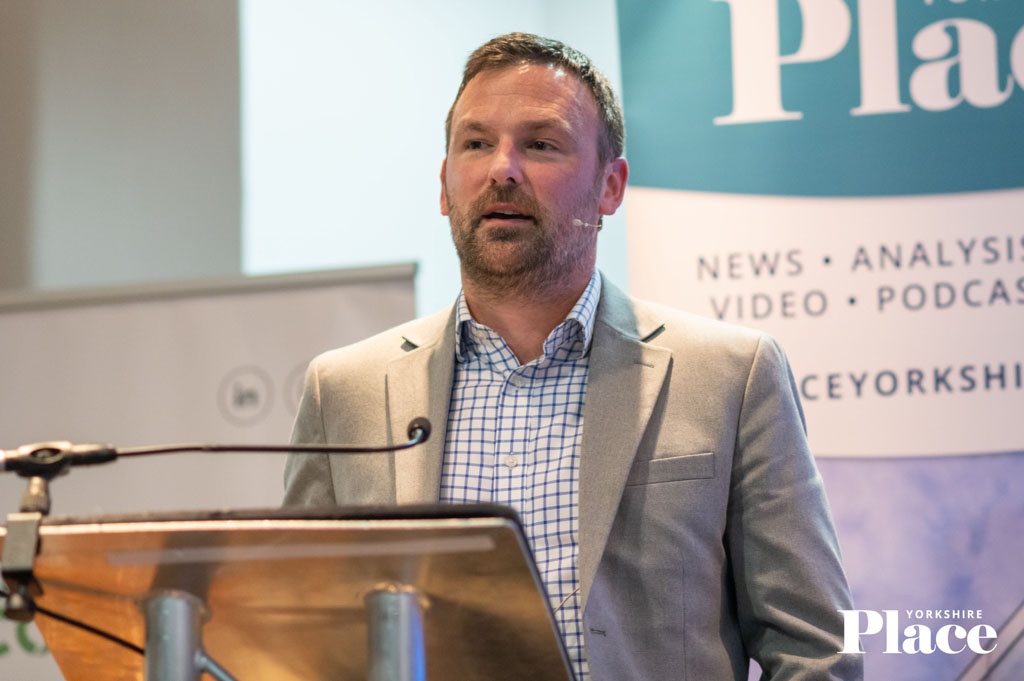
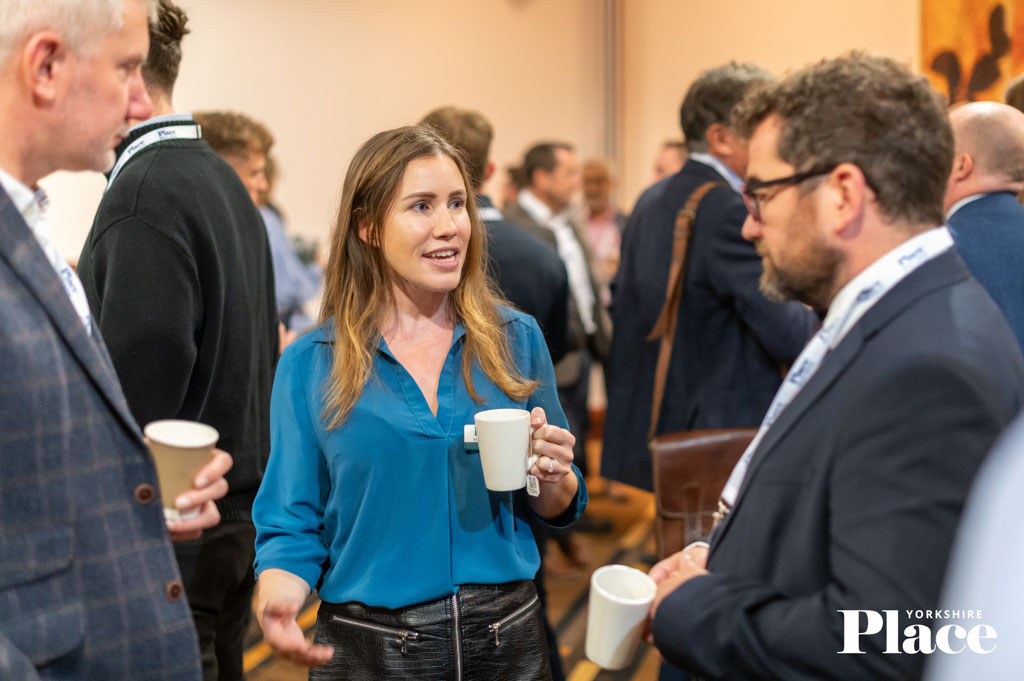
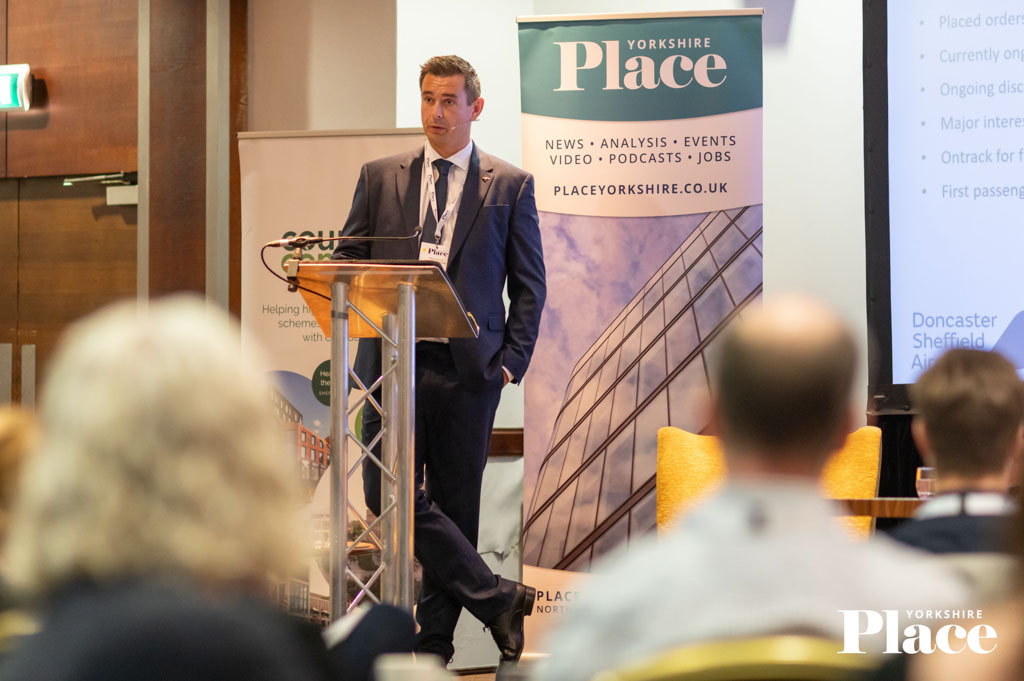
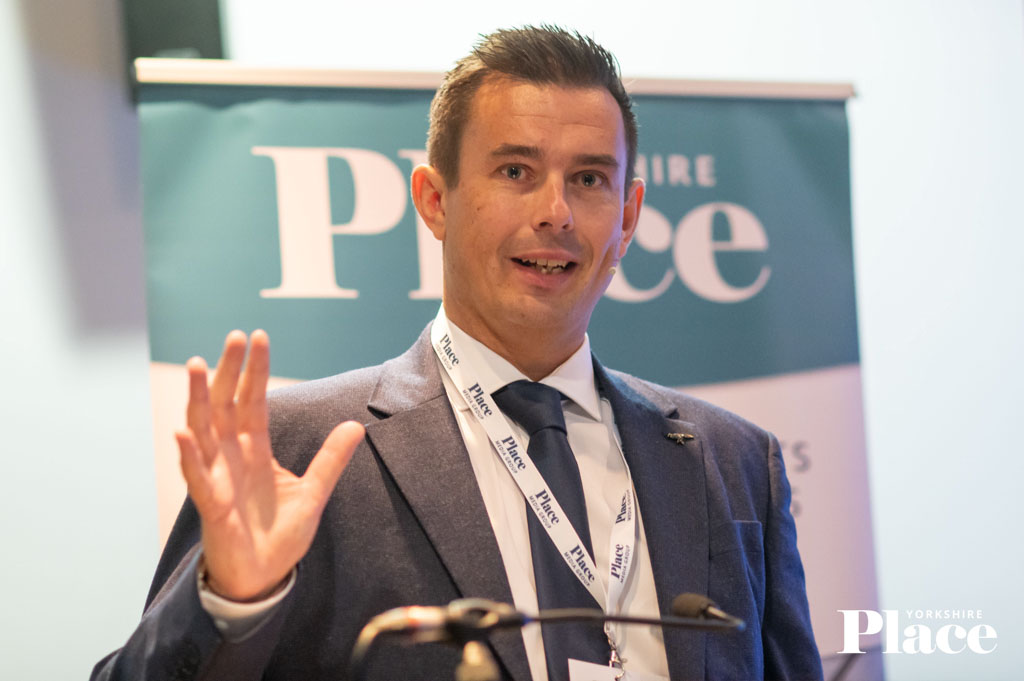
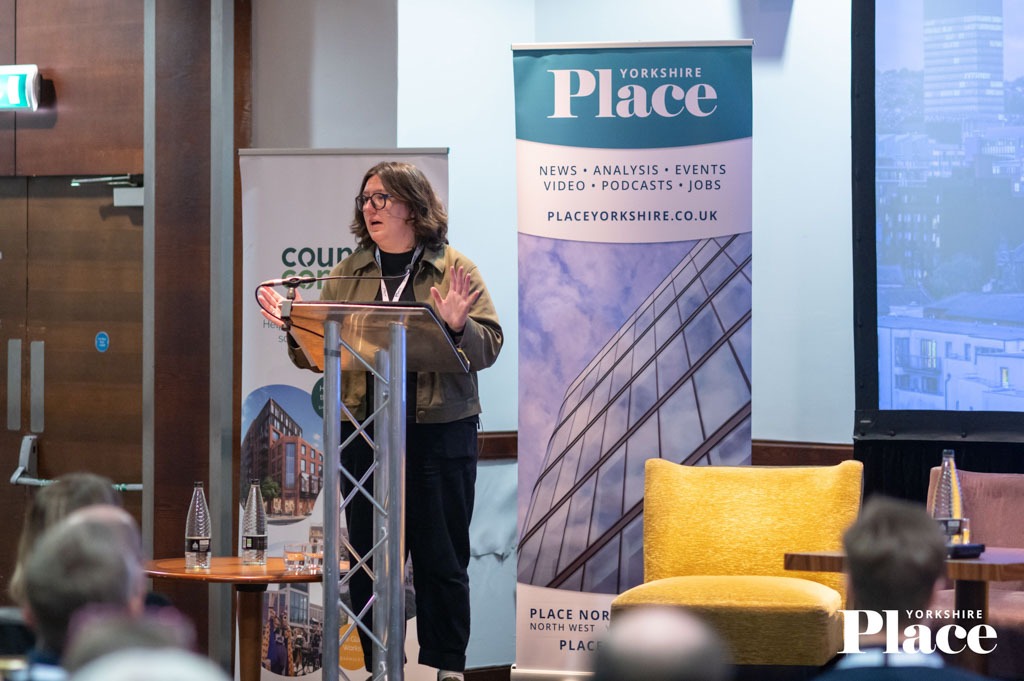
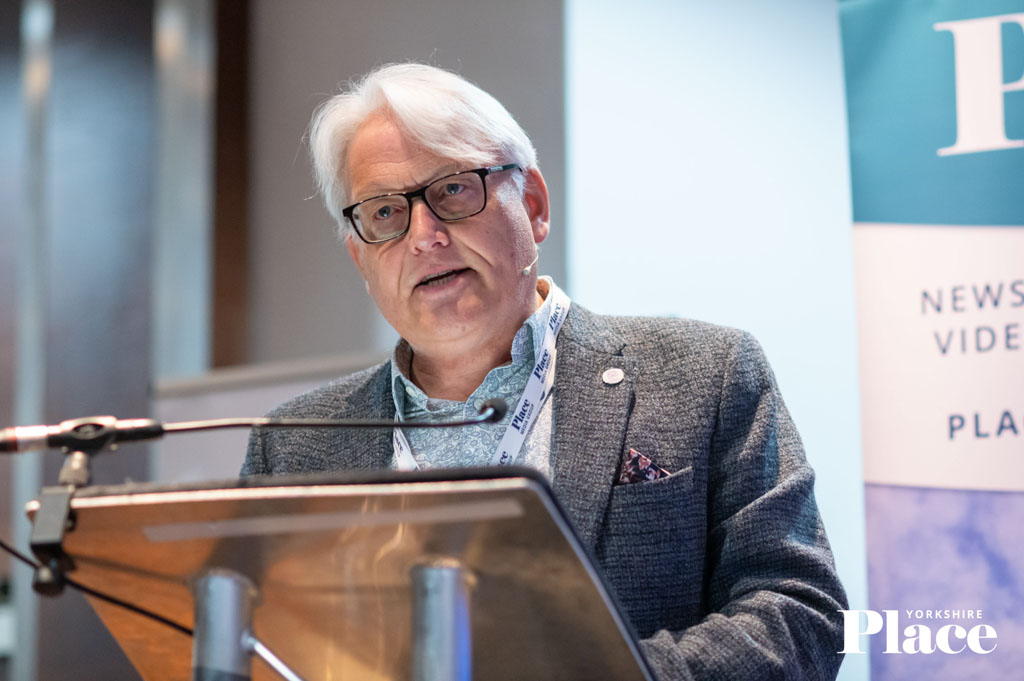
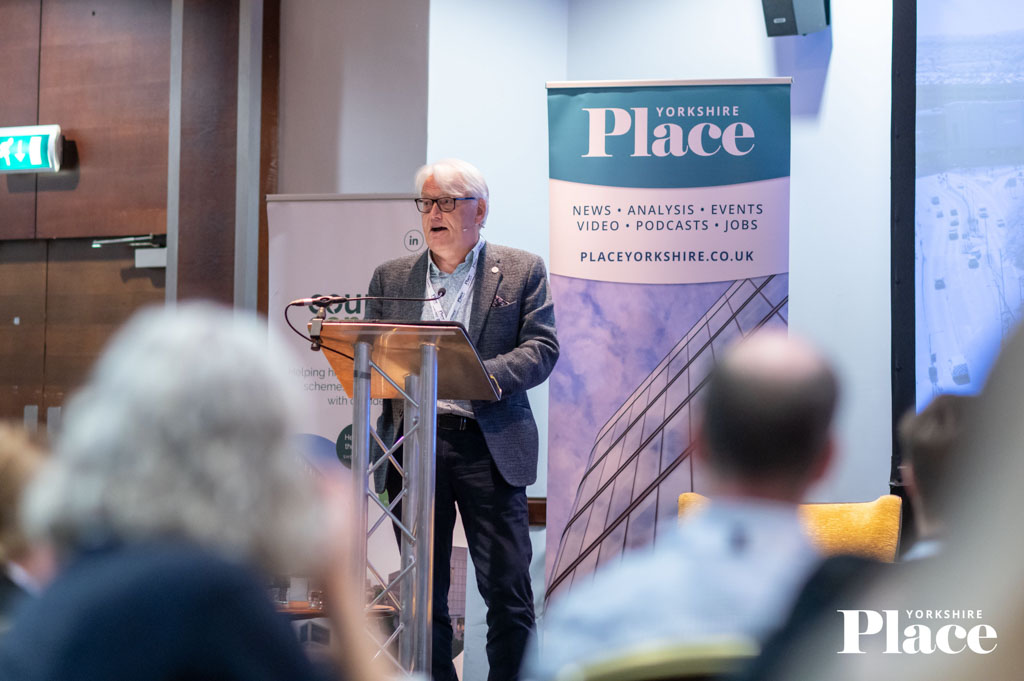
- Dan Harper, speaking at the South Yorkshire Development Update in Sheffield on 10 September. Credit: Place Media Group
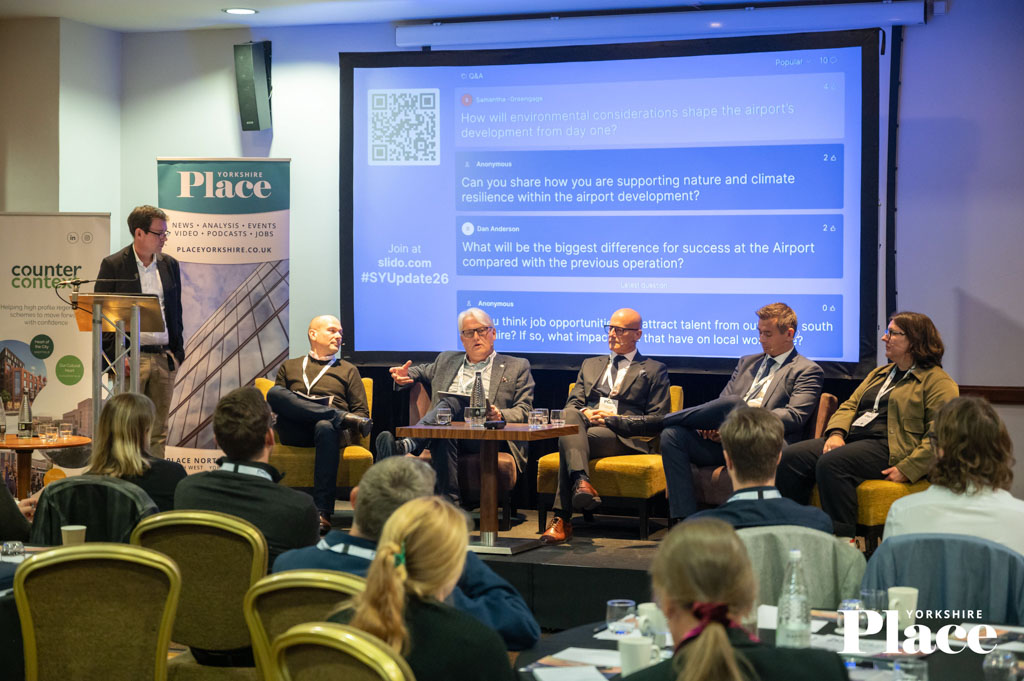
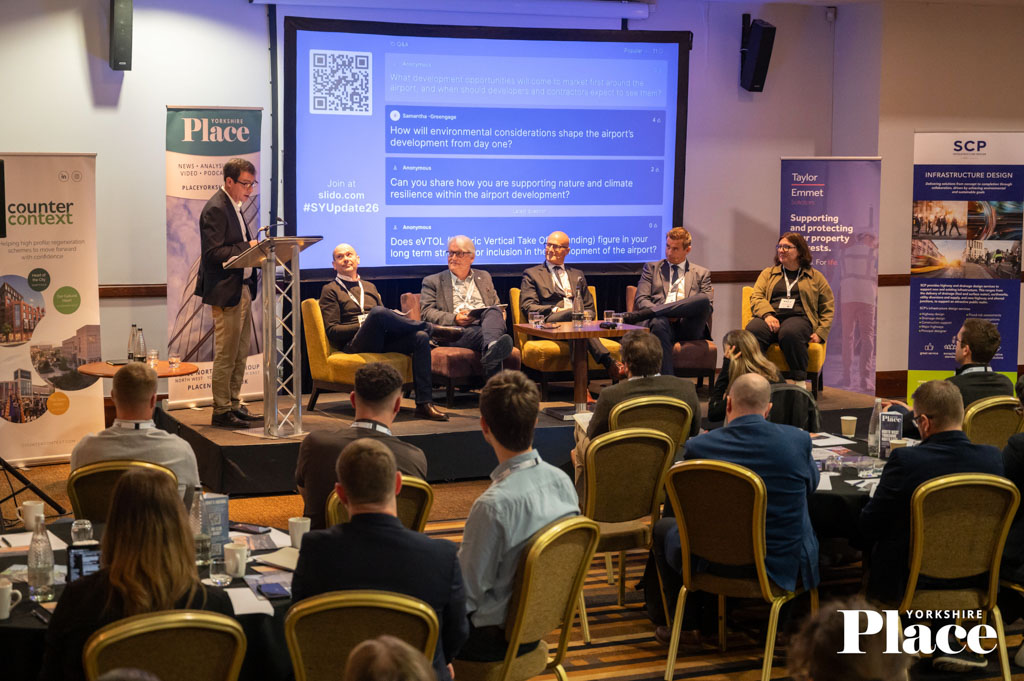
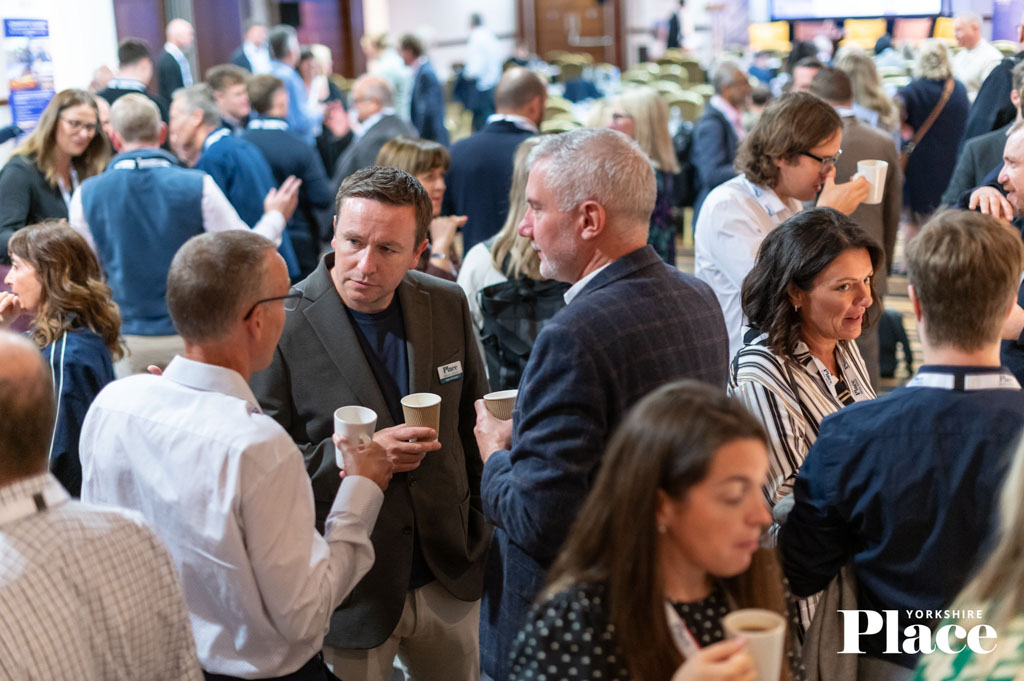
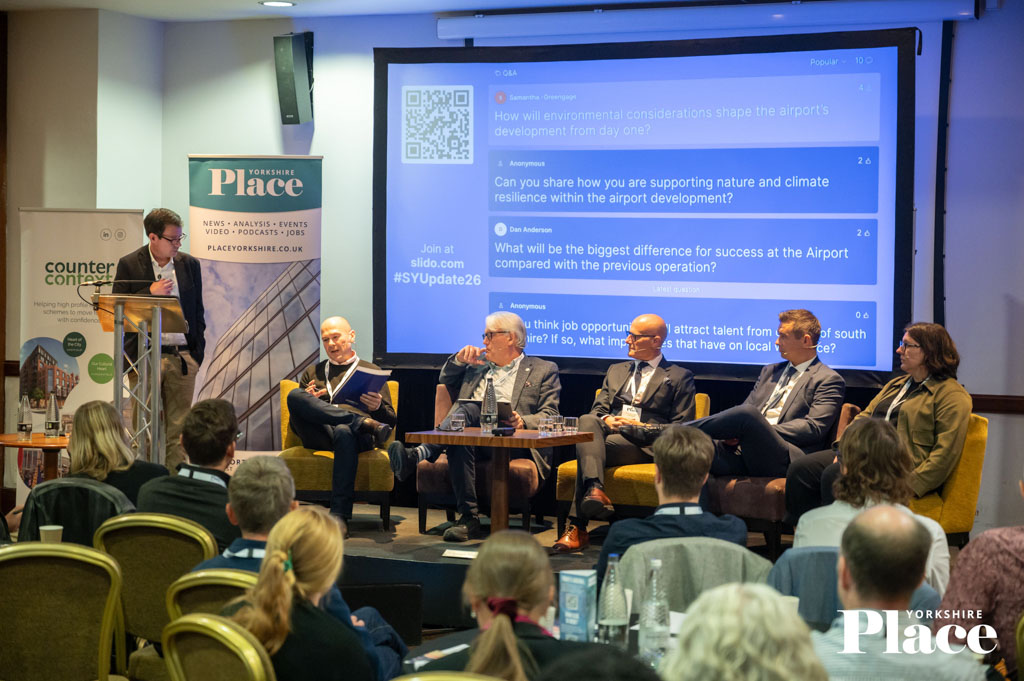
- The panel discussion took place at the South Yorkshire Development Update, held by Place Yorkshire, in Sheffield last week. Credit: Place Media Group
Upcoming events
1 October | Place Party North of England | Manchester AO Arena
15 October | Yorkshire Industrial & Logistics | Leeds
28 January, 2027 | Lancashire Development Update | Blackpool
4 February, 2027 | The Yorkshire Real Estate Summit | Leeds