


Event Summary
Yorkshire Industrial & Logistics | Summary and gallery
Yorkshire’s logistics and industrial market remains active, but constrained power, planning delays and a shrinking development pipeline are limiting available space.
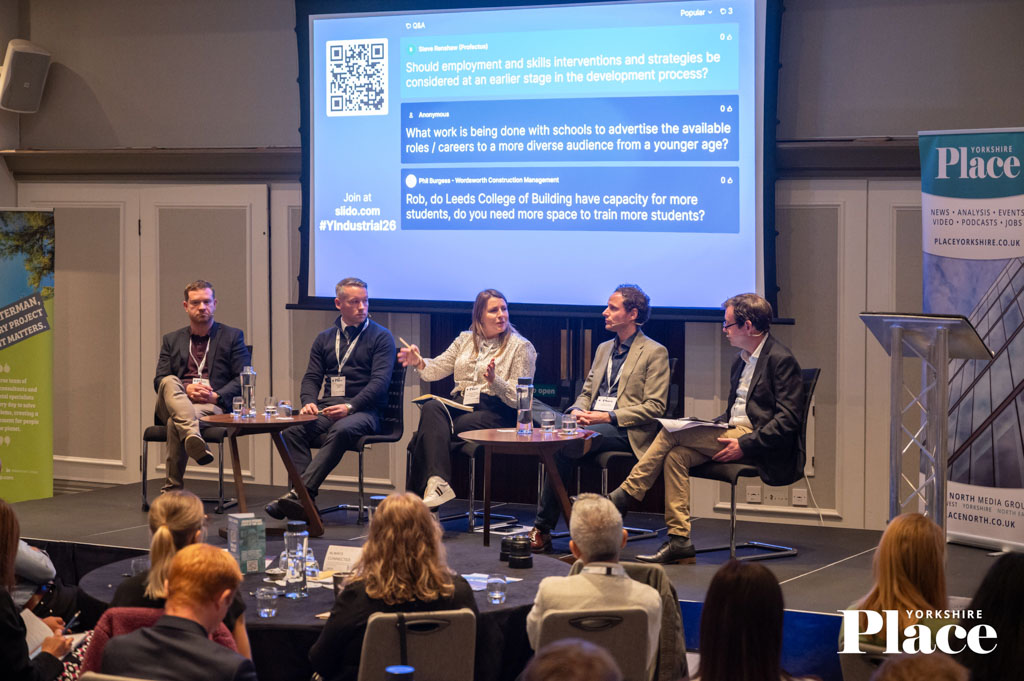
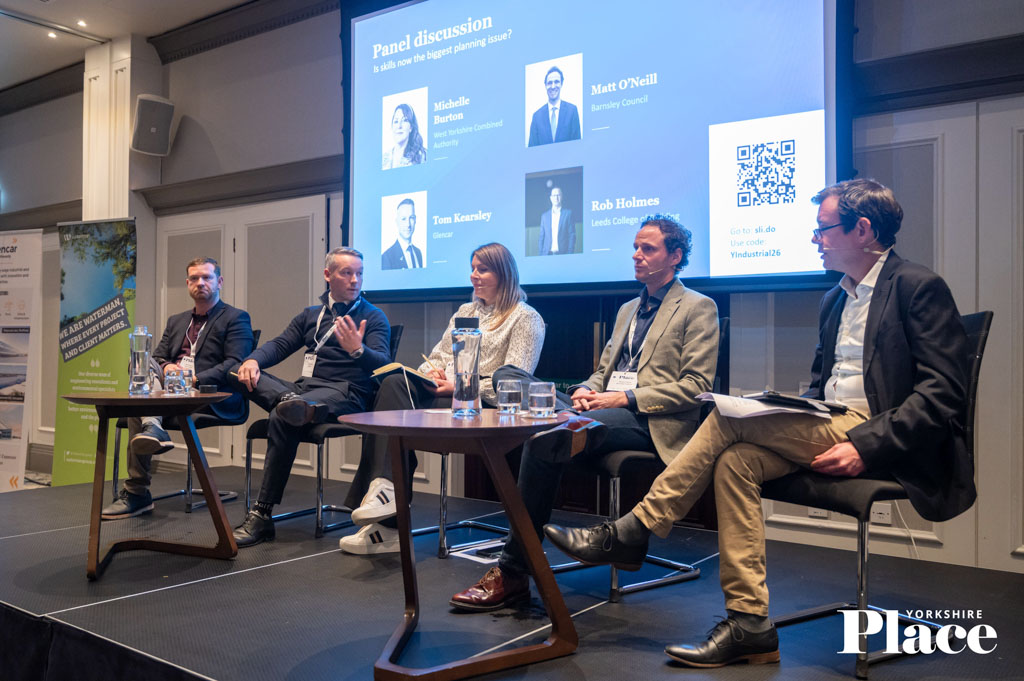
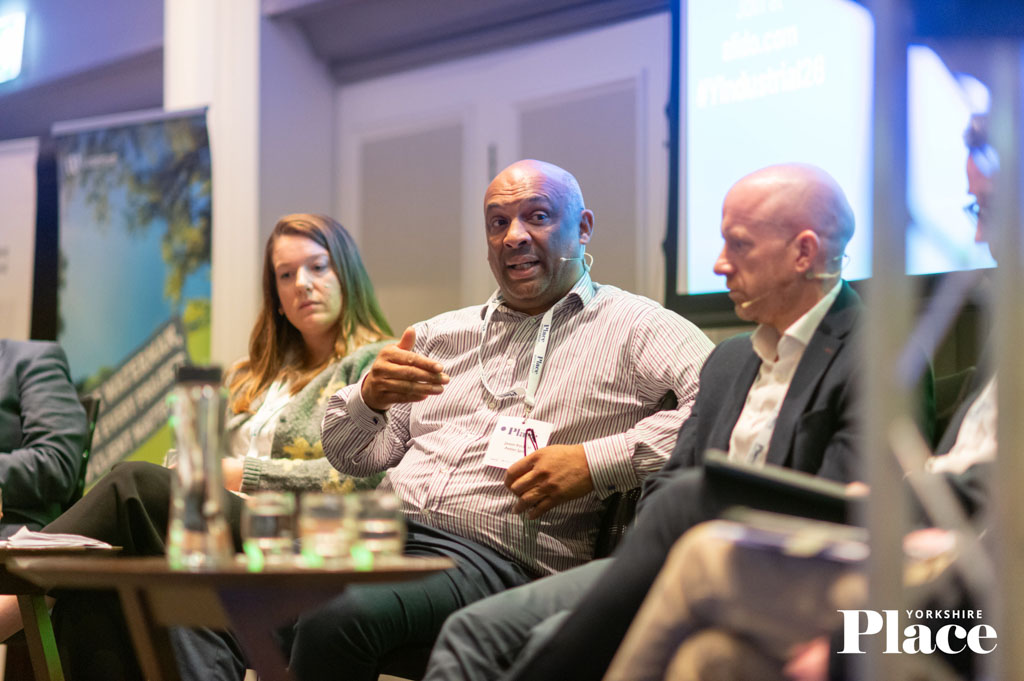
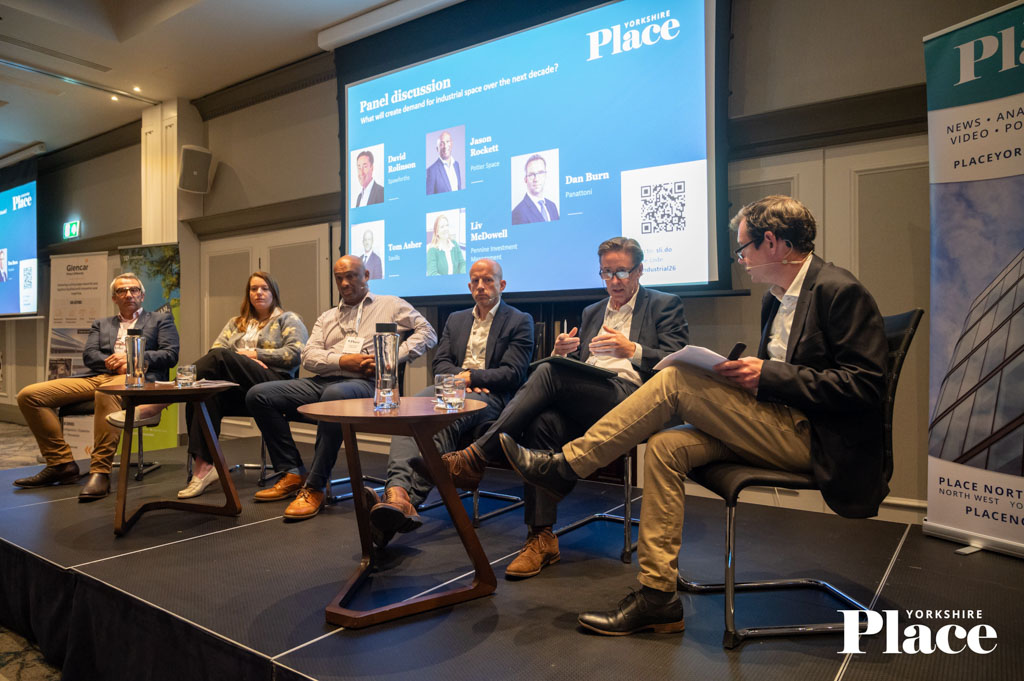
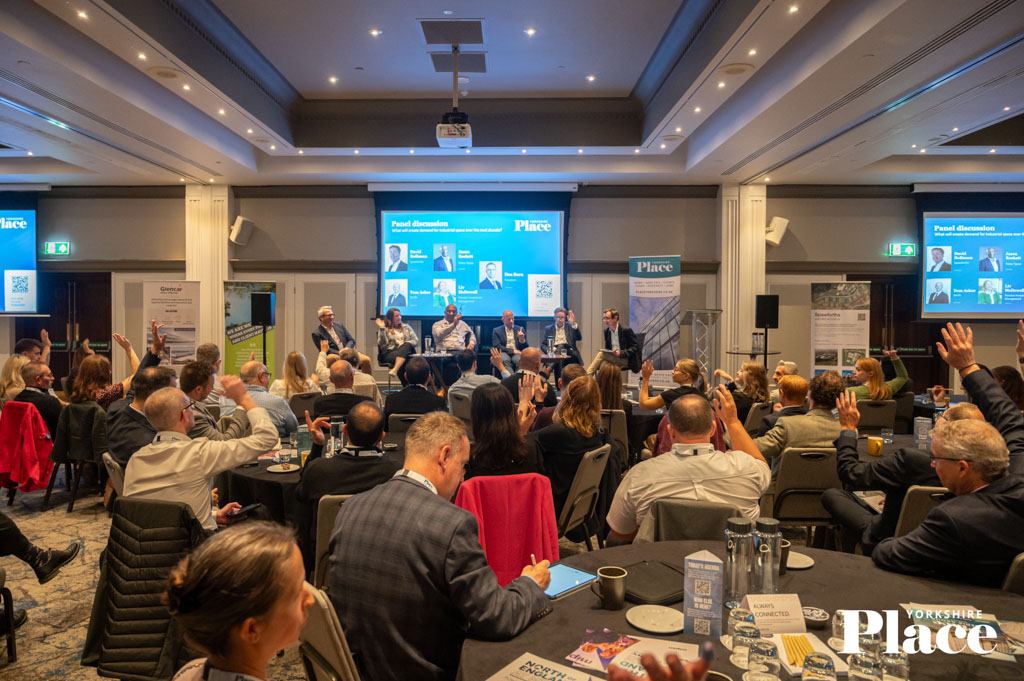
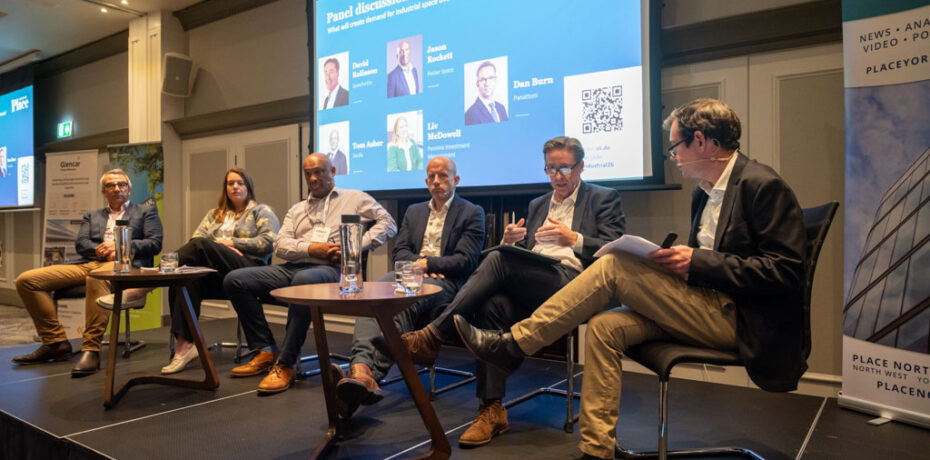
More than 100 attendees gathered at Leeds Marriott to hear about the state of the market and headwinds facing supply of new space, from planning to rising construction costs.
Expert speakers
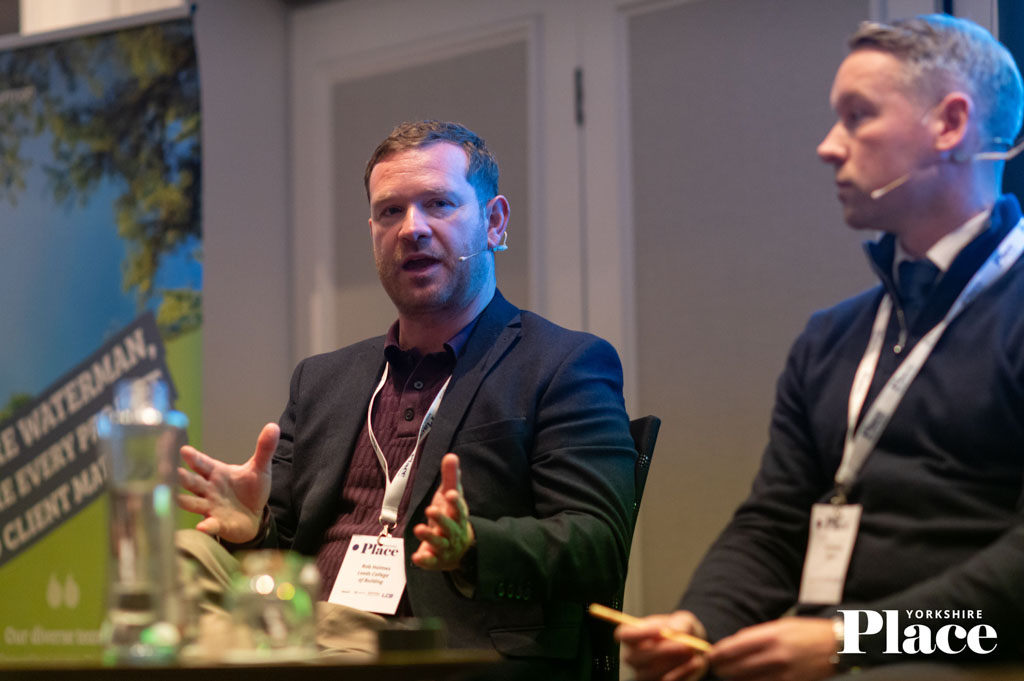
Rob Holmes, vice-principal, Leeds College of Building
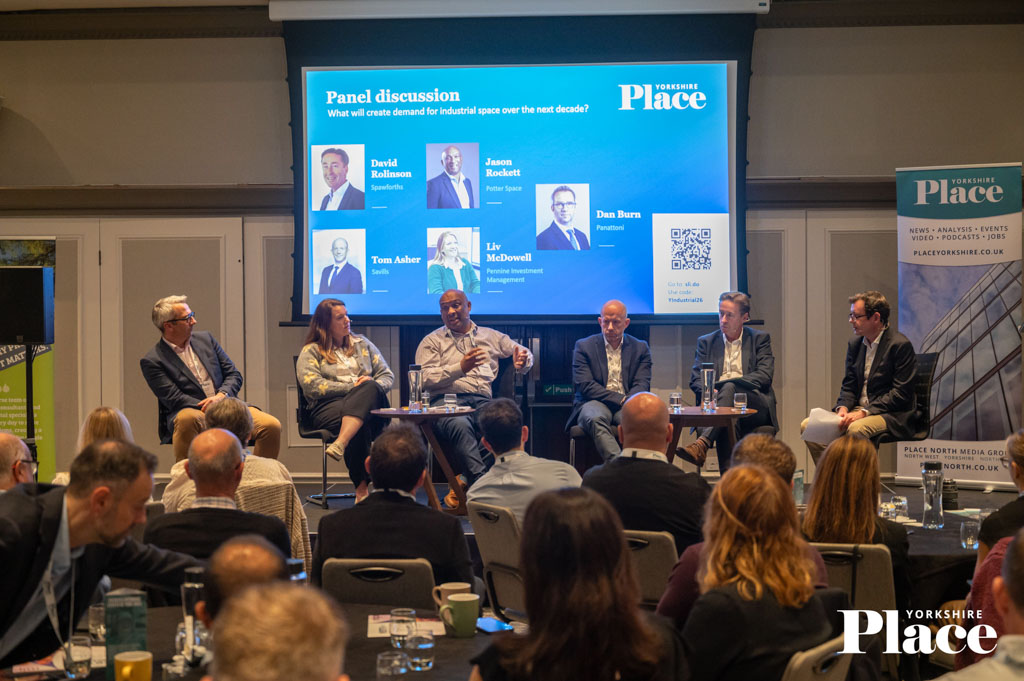
David Rolinson, chairman, Spawforths
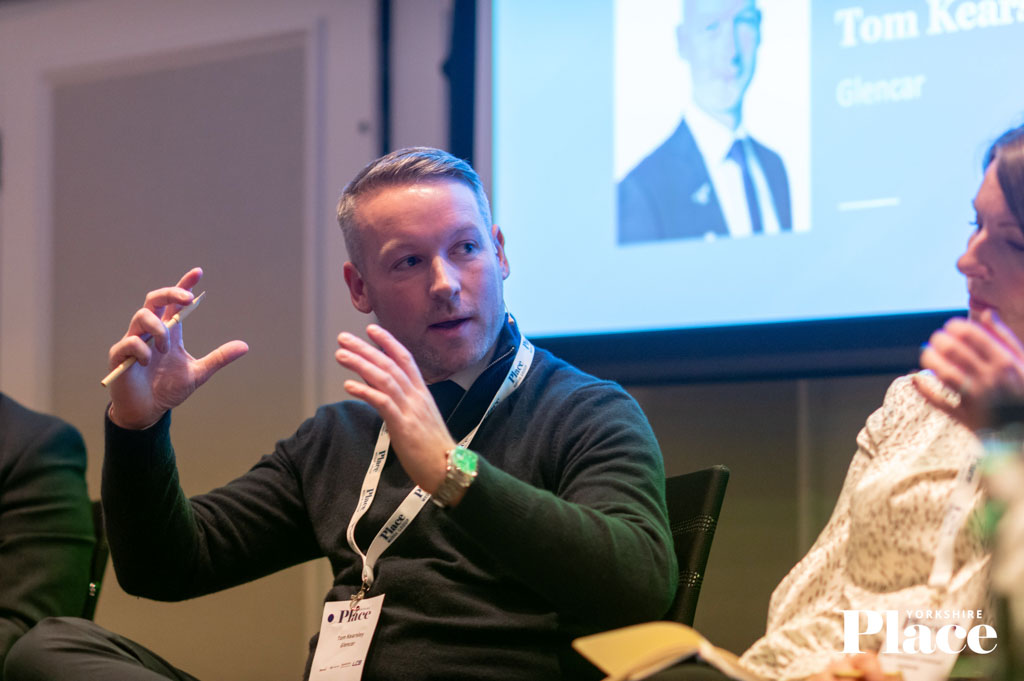
Tom Kearsley, Northern regional director, Glencar
Daniel Burn, head of development for North West & Yorkshire, Panattoni
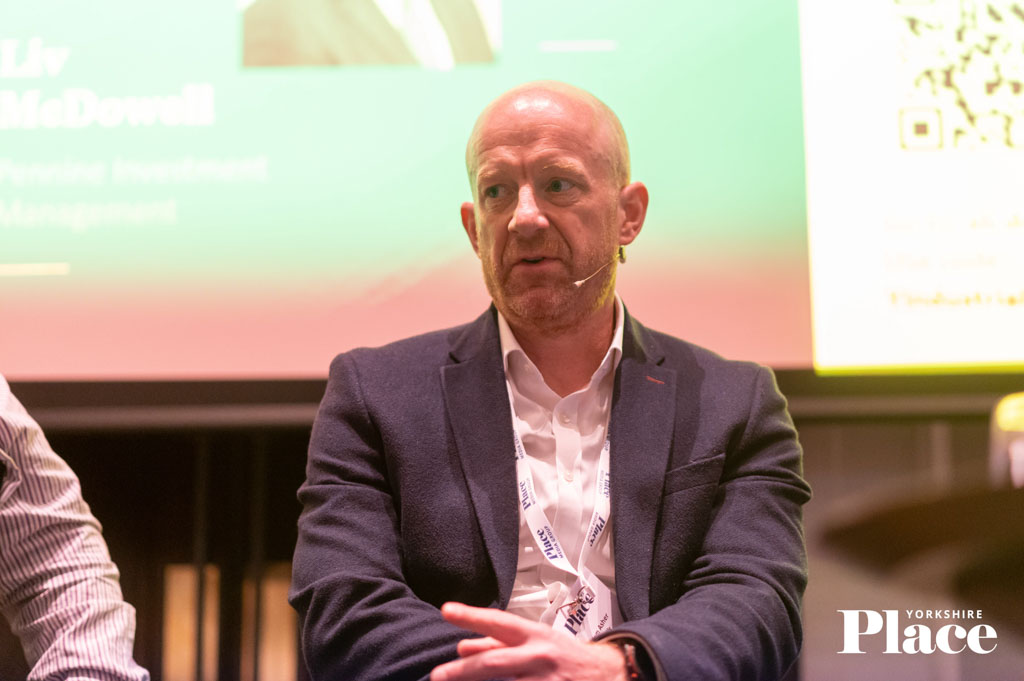
Liv McDowell, director of asset management, Pennine Investment Management
Michelle Burton, head of employment & skills, West Yorkshire Combined Authority
Kiran Bhalla, logistics research analyst, Savills
Matt O’Neill, place executive director, Barnsley Council
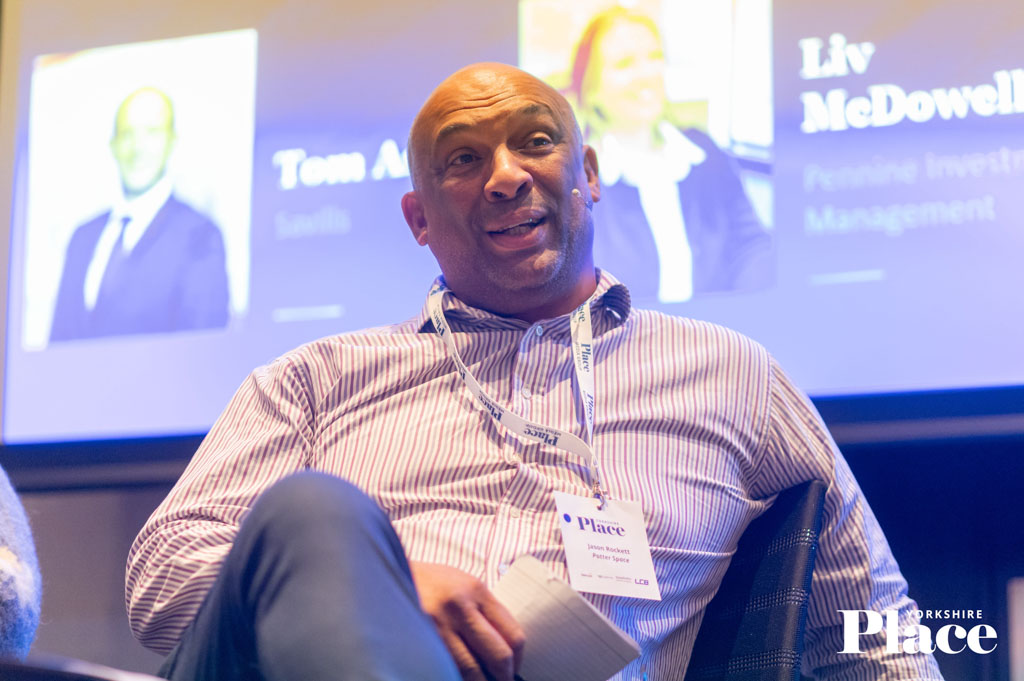
Jason Rockett, managing director, Potter Space
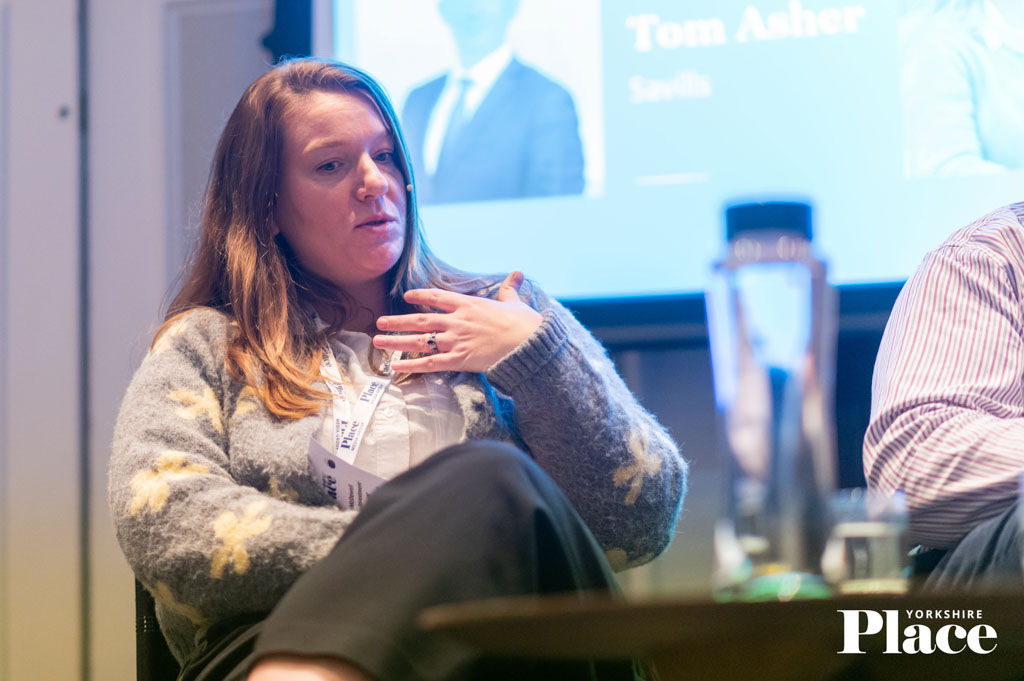
Tom Asher, director of industrial and logistics, Savills
Yorkshire Industrial & Logistics 2026 was sponsored by Glencar, Waterman, Spawforths, and Leeds College of Building.

Market conditions
- UK sales volumes have grown every quarter since 2024, with online retail sales up 10% over the period discussed. Despite geopolitical uncertainty and rising oil prices, occupier demand has remained robust.
- UK take-up exceeded 23 million sq ft in Q3. The previous year recorded 33 million sq ft, and more than 9 million sq ft was under offer. Build-to-suit represented 13% of take-up this year, compared with 33% in the equivalent period last year.
- Yorkshire had its strongest Q3 in three years, with more than 1.8 million sq ft under offer. If those deals complete, it could be the region’s best year in four. Supply has risen to more than 10 million sq ft, around a 12% vacancy rate, while the speculative pipeline is down 80% from its COVID-era peak.
Supply and demand
- Defence and Chinese e-commerce occupiers are emerging demand sources, alongside last-mile logistics, manufacturing and retail. Panel members also noted interest from food manufacturers relocating from Ireland.
- Mid-box research covering eight markets found about 1.5 years of prime supply. Leeds had fewer than 250,000 sq ft of prime mid-box space available, much of it under offer.
- Yorkshire’s speculative pipeline has only two units under construction, both larger than 400,000 sq ft. Existing demand for large units may exceed available Grade A supply.
Delivery constraints
- Power availability, connection costs and long lead times are major barriers
- Data centres add demand for power and land, while raising questions about water, waste heat, employment land and community acceptance.
Outlook
- Automation, AI, electric vehicles and building height are expected to shape warehouse requirements
- How can Yorkshire co-ordinate power, land, infrastructure, planning and skills to deliver both logistics and manufacturing space?
Skills capacity
- Michelle Burton of WYCA said construction has the highest proportion of vacancies caused by skills shortages
- Colleges report high demand but insufficient space, specialist facilities and tutors; employers also need to provide more apprenticeship opportunities
- Rob Holmes and Tom Asher agreed that skills shortages are at least on a par with planning constraints. Leeds College of Building could accommodate around 2,000 more students in a purchased building, but needs approximately £15m
Regional growth
- Matt O’Neill described Barnsley’s economic growth, including 9,000 additional jobs, 1,500 new firms and 9.2 million annual town-centre visitors. Industrial and logistics opportunities include consented sites at Barnsley West and Goldthorpe, each with around one million square feet of potential space.
- Barnsley is promoting investment in advanced manufacturing, logistics, defence and digital technology, and aims to plan for future requirements such as robotics and AI.
Upcoming events
Click image to launch gallery