


Plans in to protect Sheffield Castle ruins
Preparatory works to protect the archaeological remains, discovered in 2024 during a dig by Wessex Archaeology, are set to be carried out ahead of the construction of an access road through the city’s new Castle Park.
Sheffield City Council has submitted a planning application for the works, which will safeguard the historic remains uncovered during excavations at the former Castle Market site.
Contractor Keltbray has been undertaking work on the transformation of the Castle Market project.
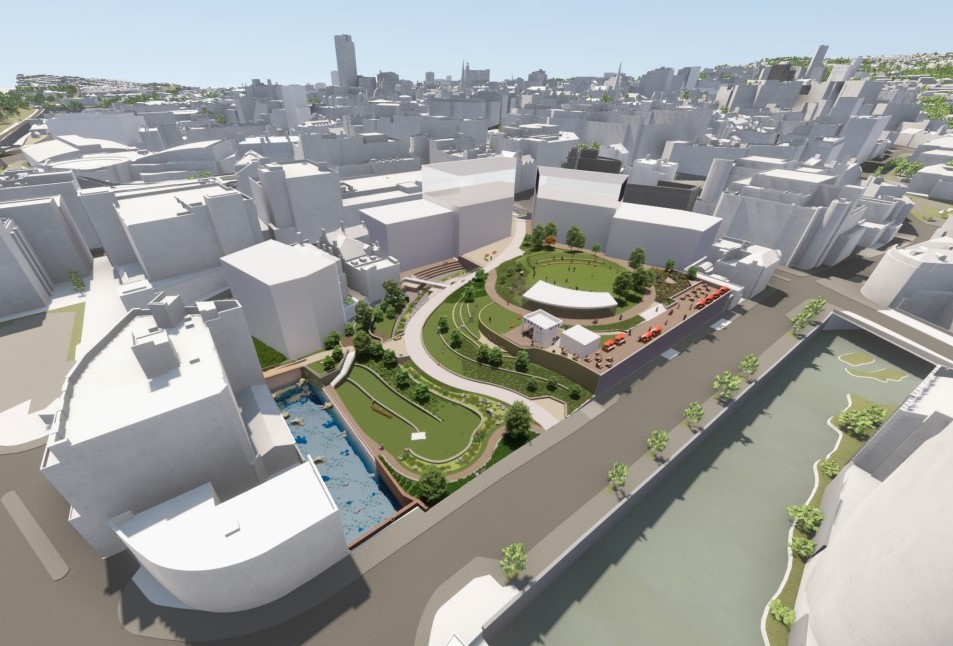
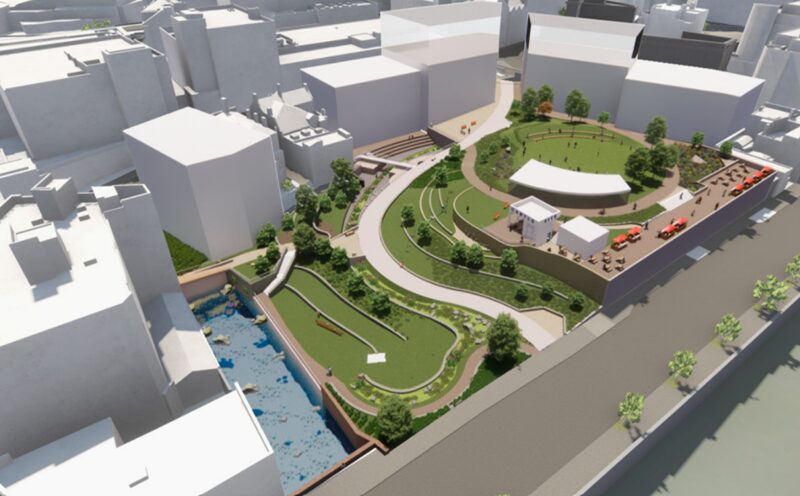
The new park, due to open later this year, will celebrate Sheffield’s birthplace and showcase the ruins of the 11th-century Norman castle, said to be the birthplace of the city.
The castle was built close to the point where the Rivers Sheaf and Don meet, and was also the site of a royal charter granted in 1296 to hold the adjacent market.
Planned works include showcasing parts of the castle for the first time in centuries, an events space reminiscent of the 17th century bowling green believed to have been on site, and opening up the River Sheaf so that it is visible and not just underground.
With a budget of £26m, the council is working on the ‘Castle Project’ alongside heritage consultants South Yorkshire Archaeology Service, Historic England, and Friends of Sheffield Castle on the scheme.
Discoveries by Wessex on site have included:
- Previously unknown stone structures on the south side of the motte. These were probably built during or after the reconstruction of around 1270 following the Second Baron’s War
- The remains of the east and west towers of the gatehouse of the castle (probably constructed starting in 1270), with the drawbridge abutments
- The moat of the stone castle exposed
- A 12.5m-deep well, probably Medieval (with water at the bottom)
- 18th/19th Century slaughterhouses
- Wooden Civil War stakes
- Remains of two cementation steelmaking furnaces, unusual as they shared a single chimney and were built into material surviving from the castle
The scale of the archaeological discoveries, which exceeded initial expectations, prompted a redesign of the park to preserve and display the remains.