



East Yorkshire Development Update | Summary & photos
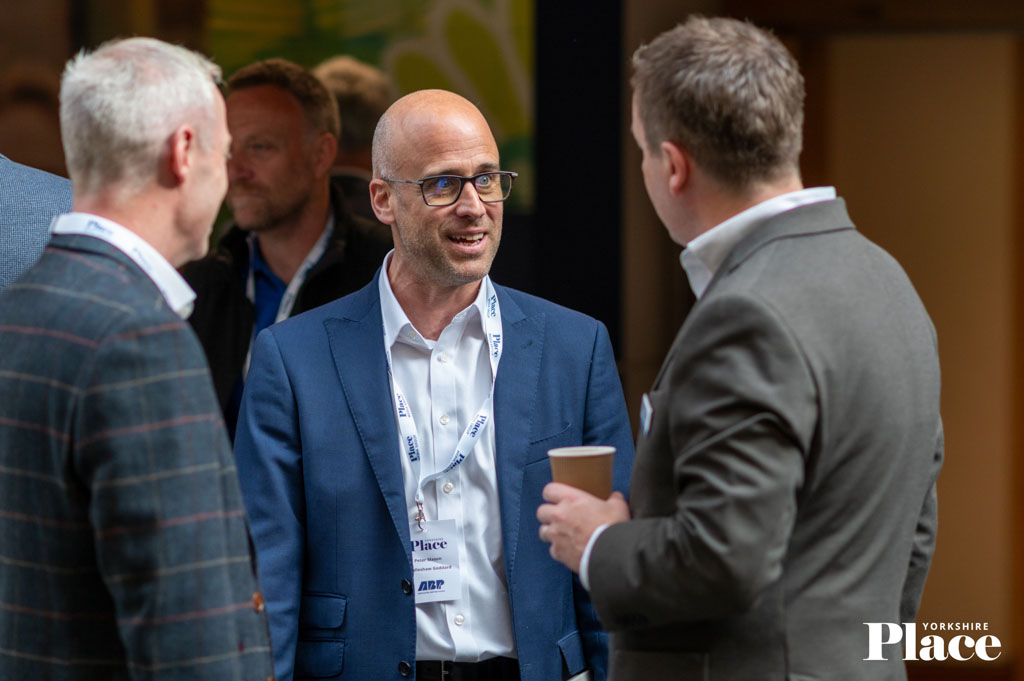
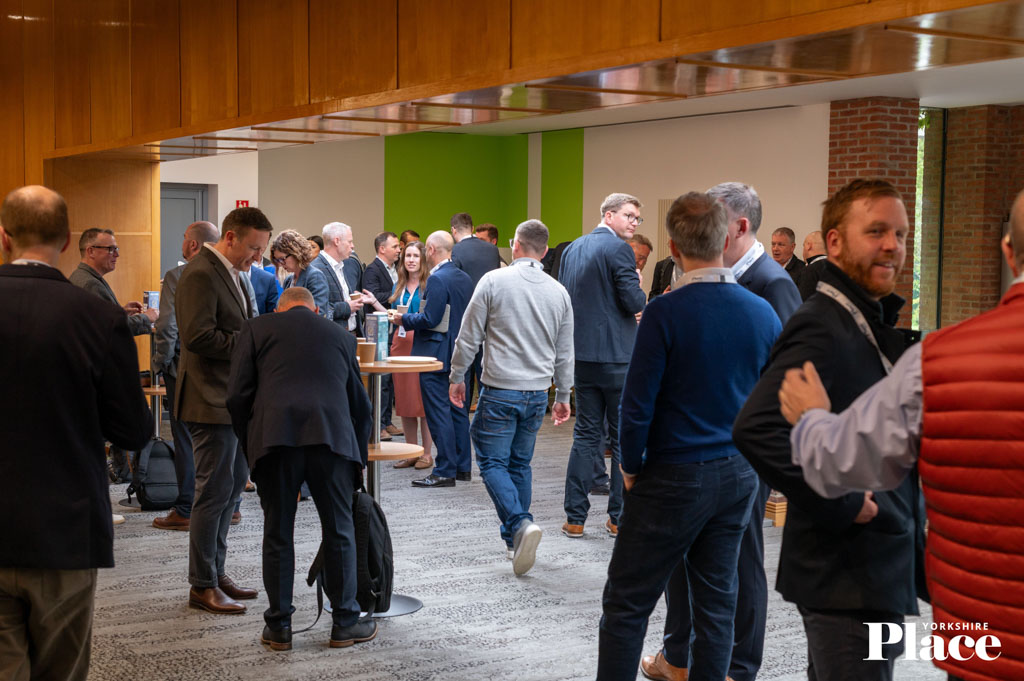
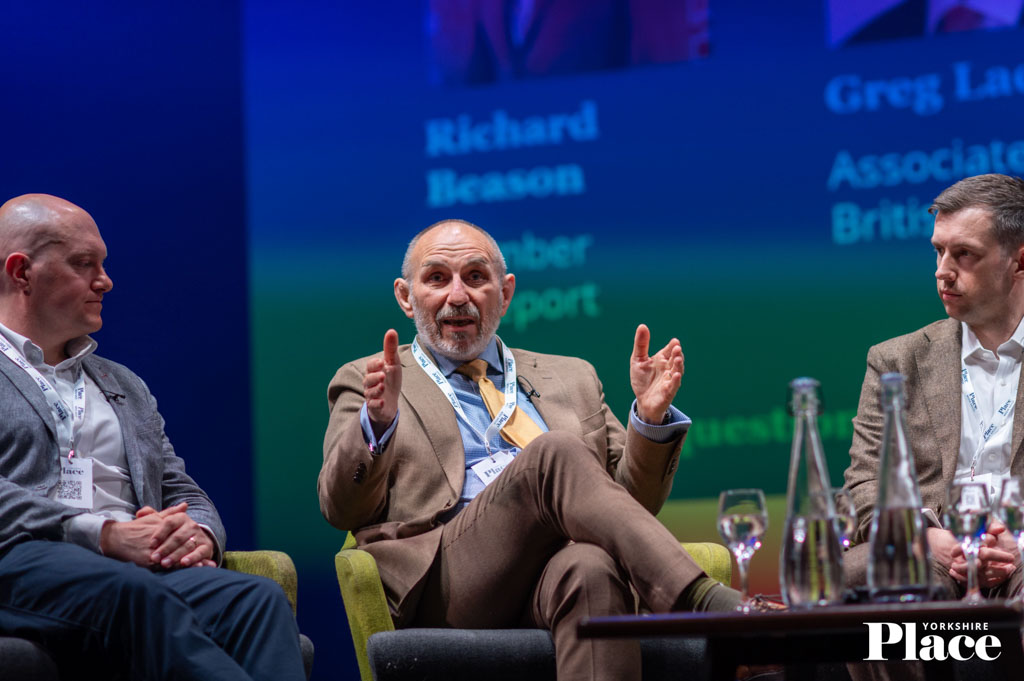
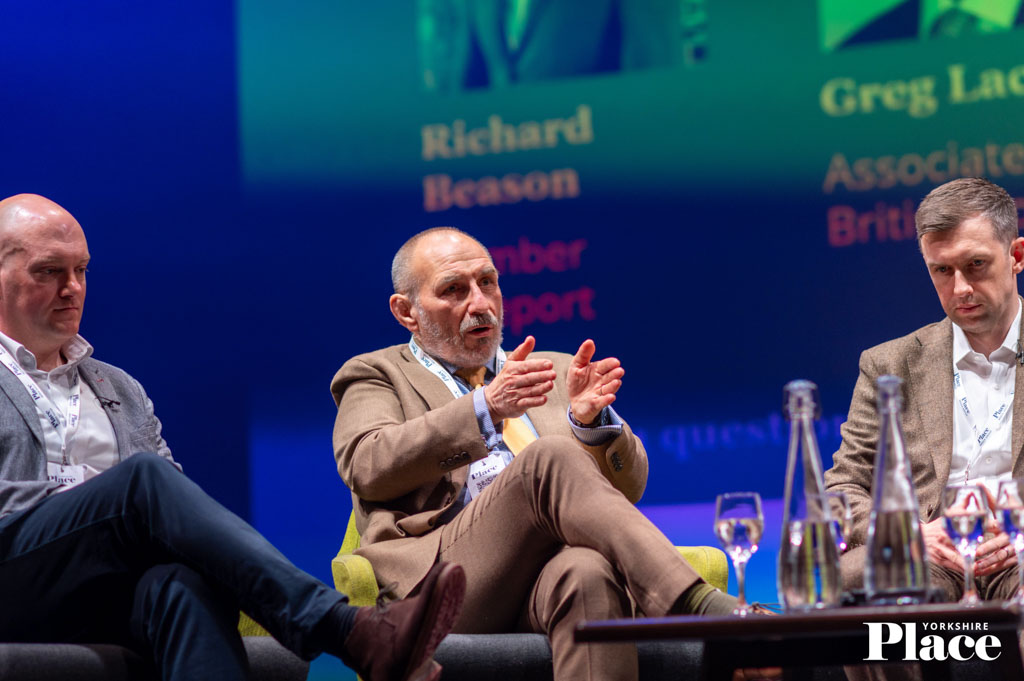
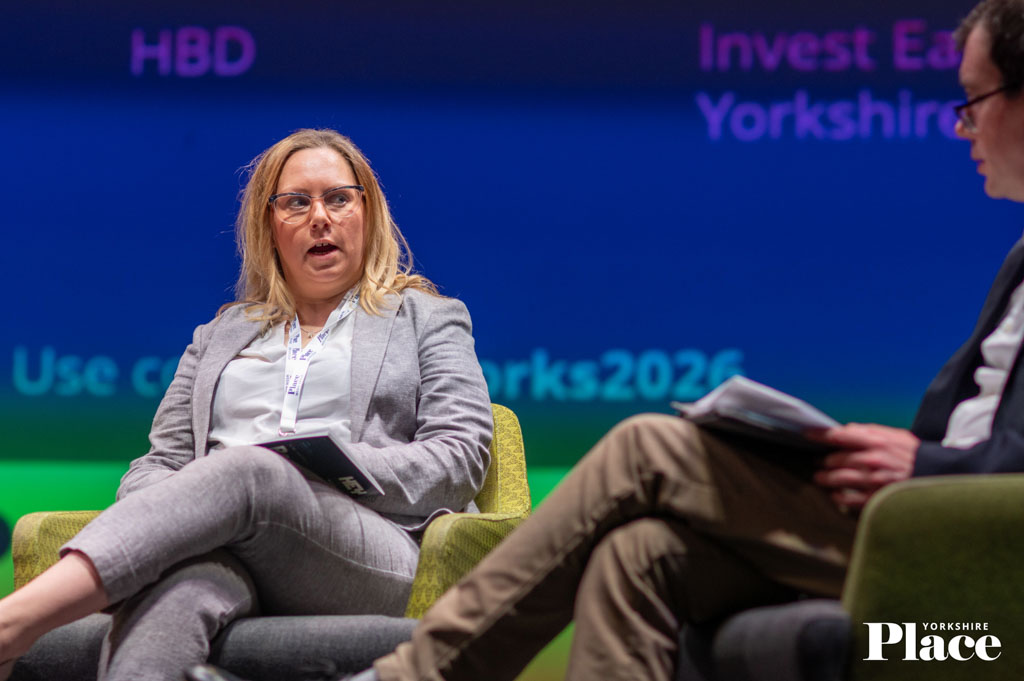
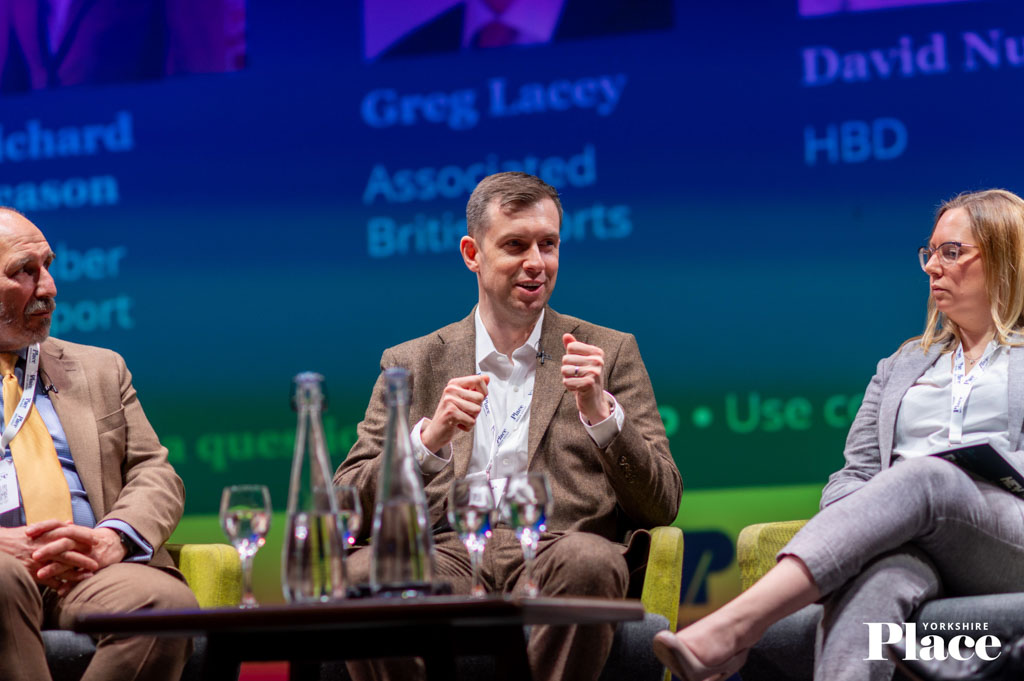
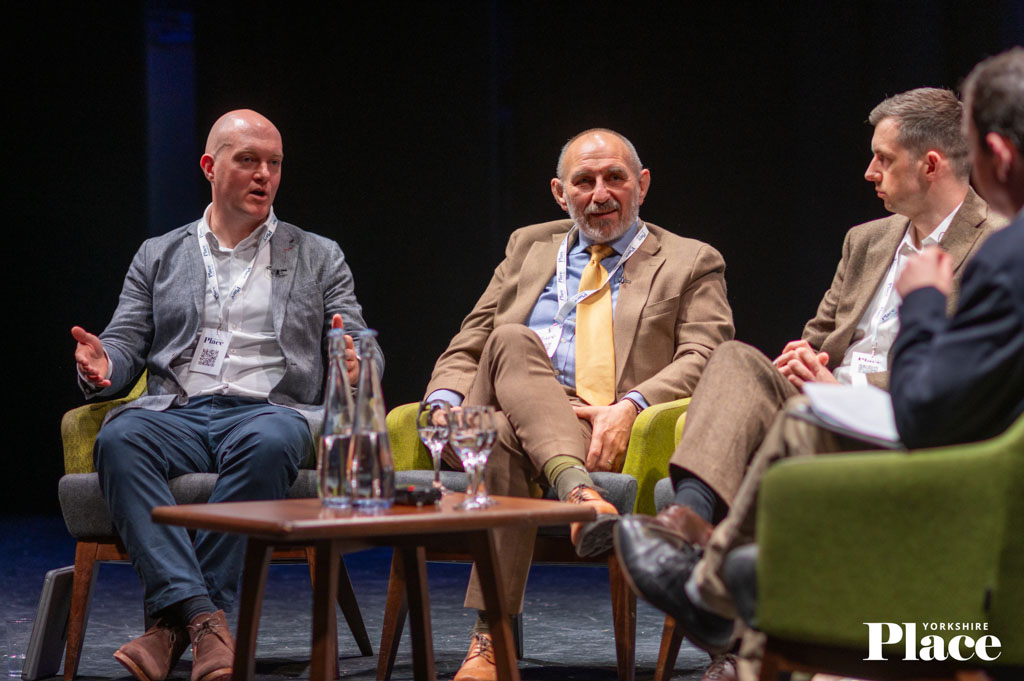
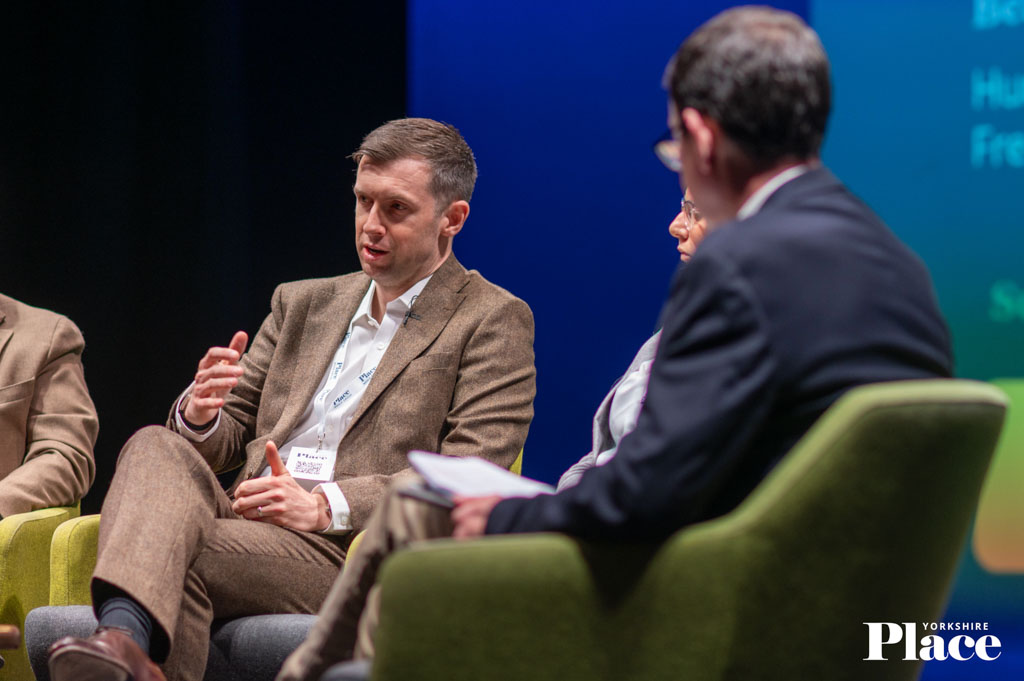
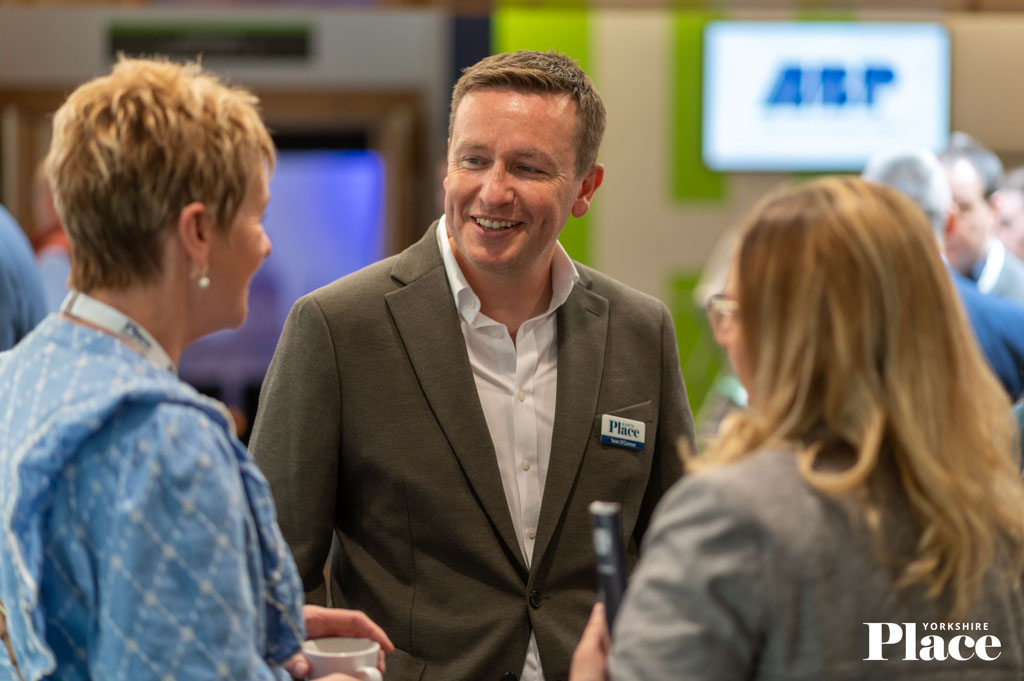
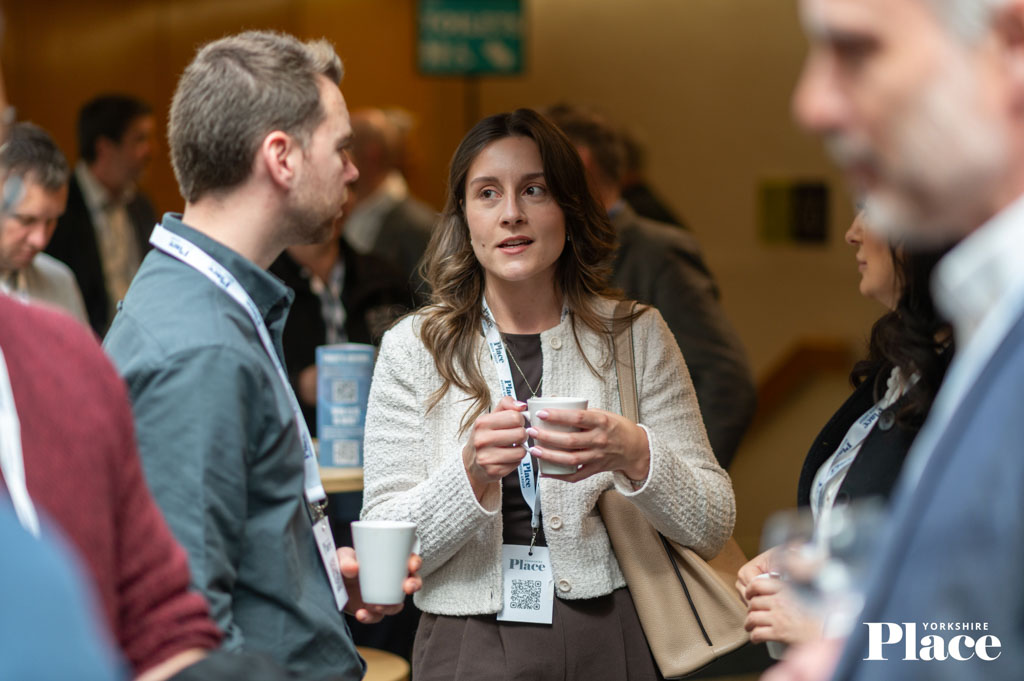
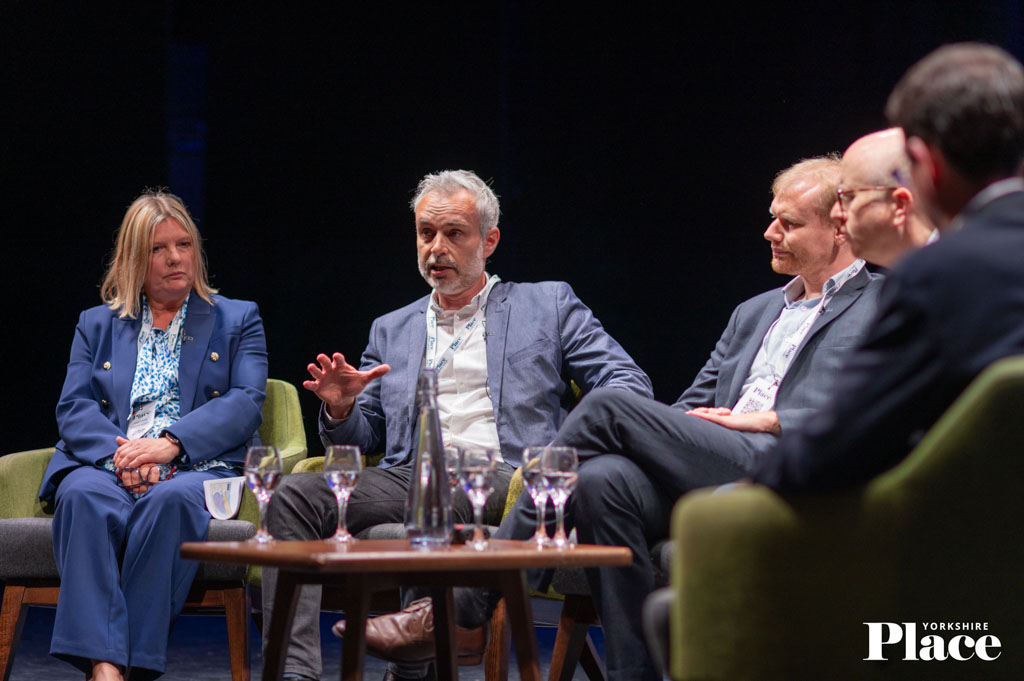
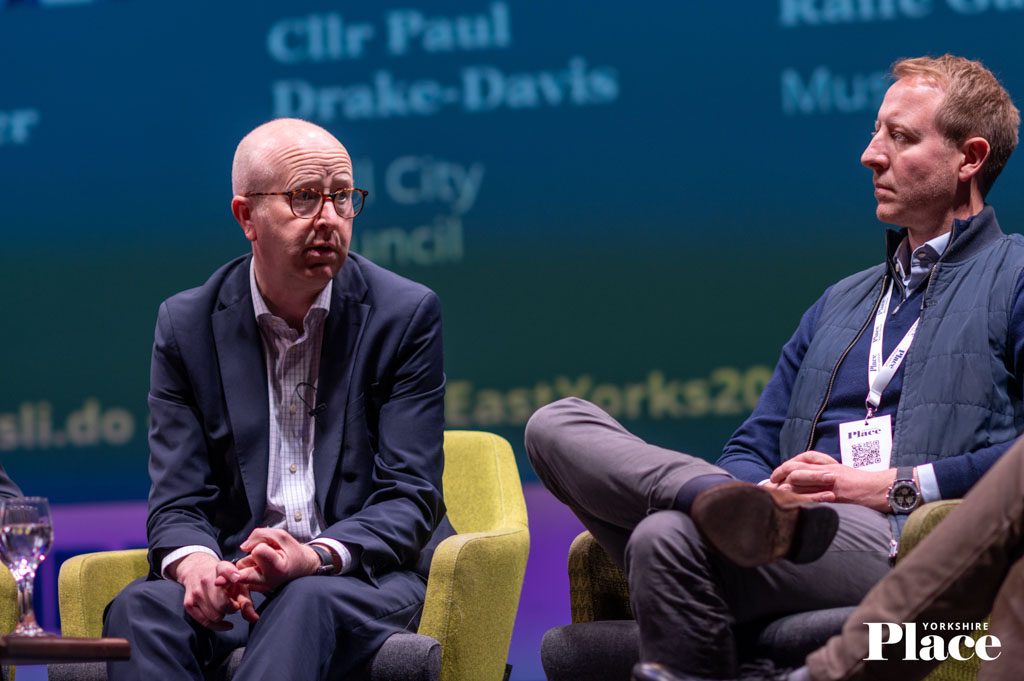
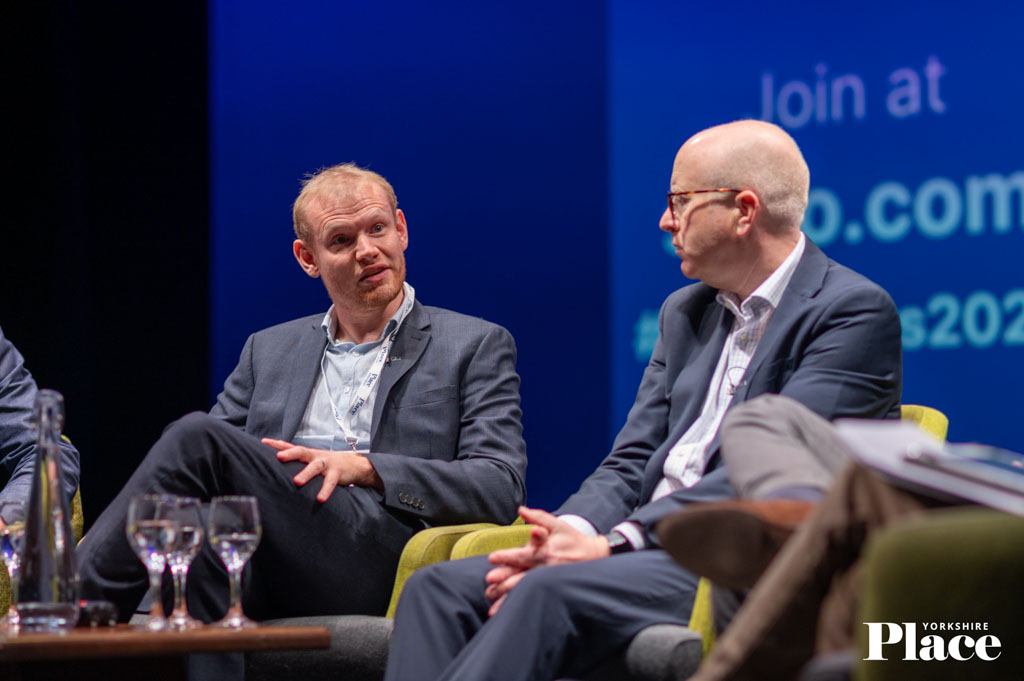
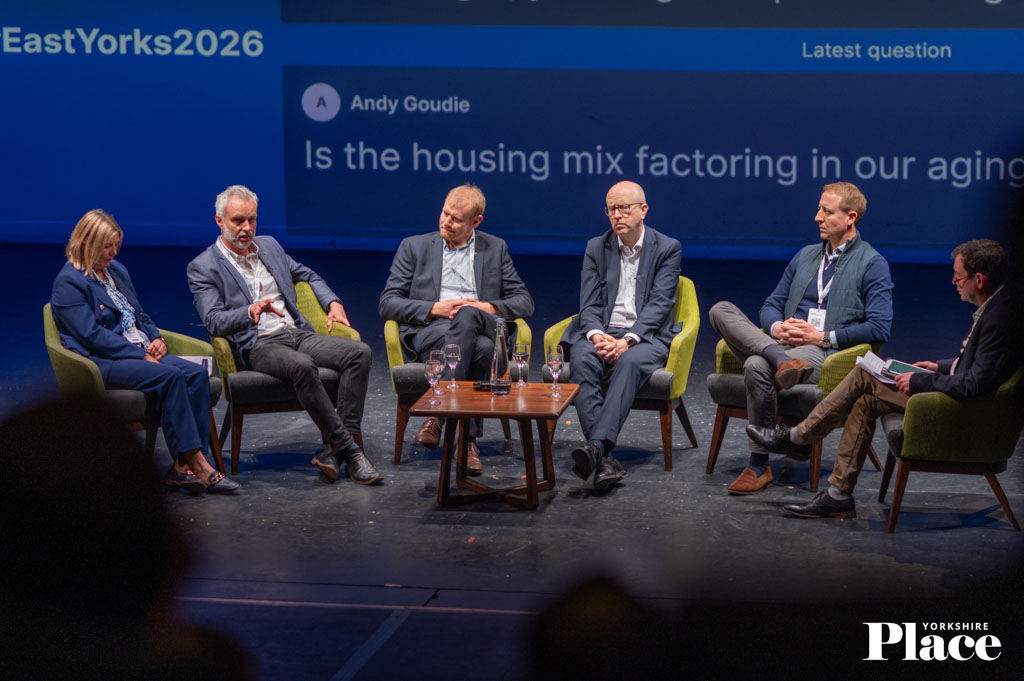
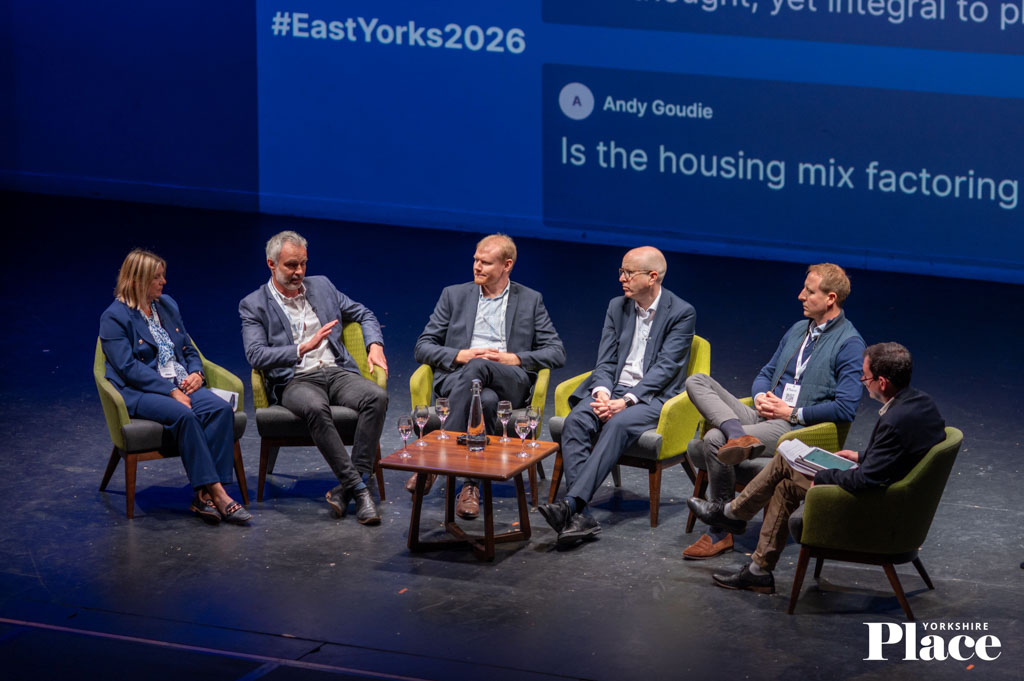
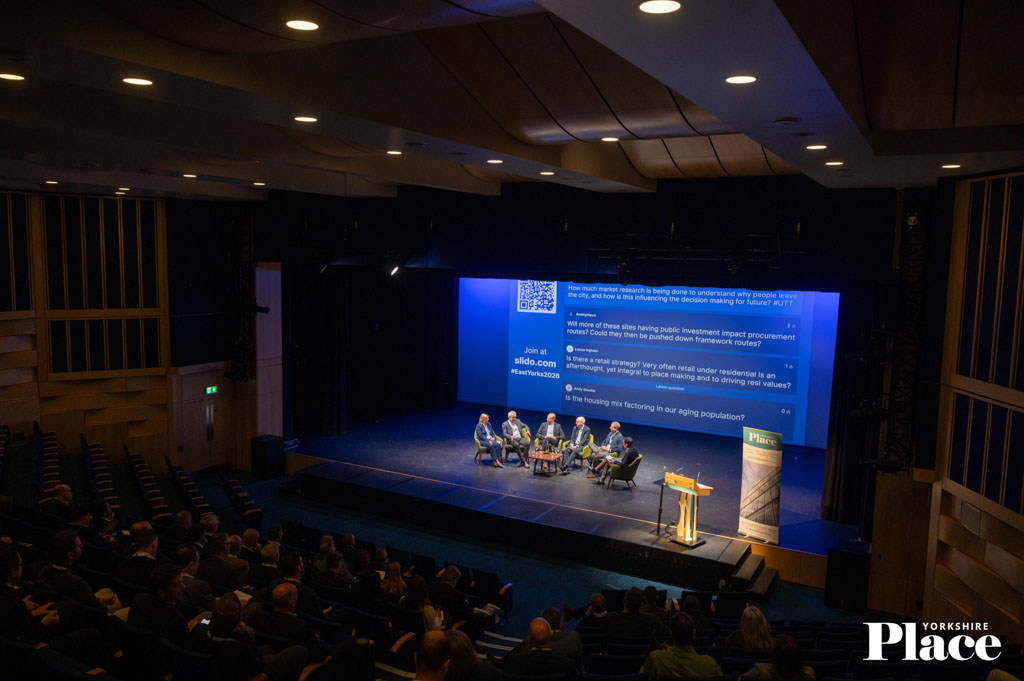
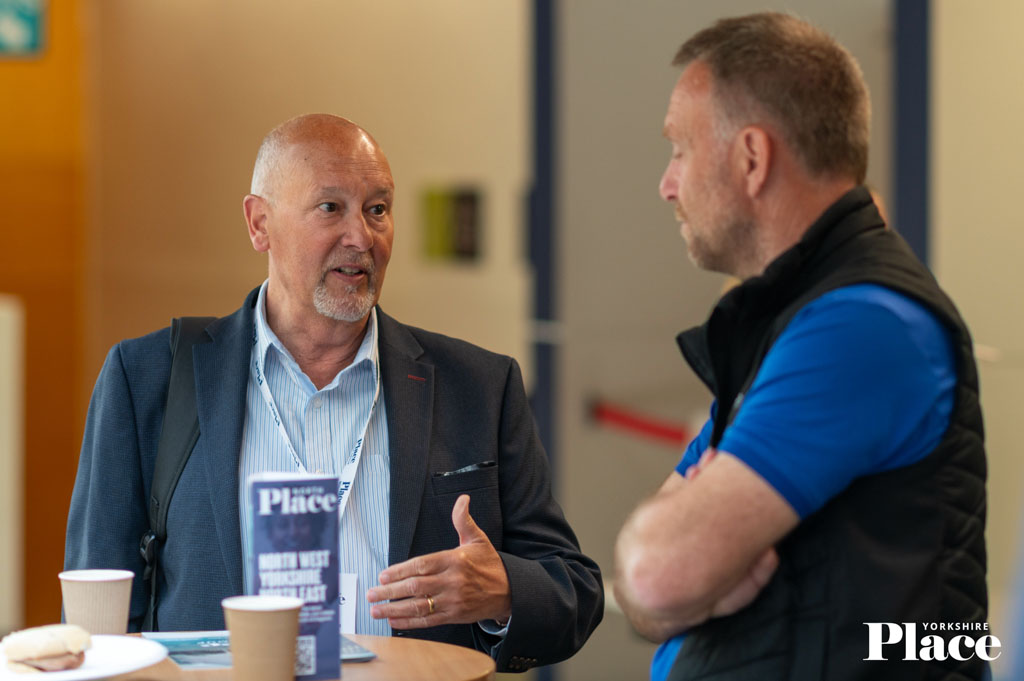
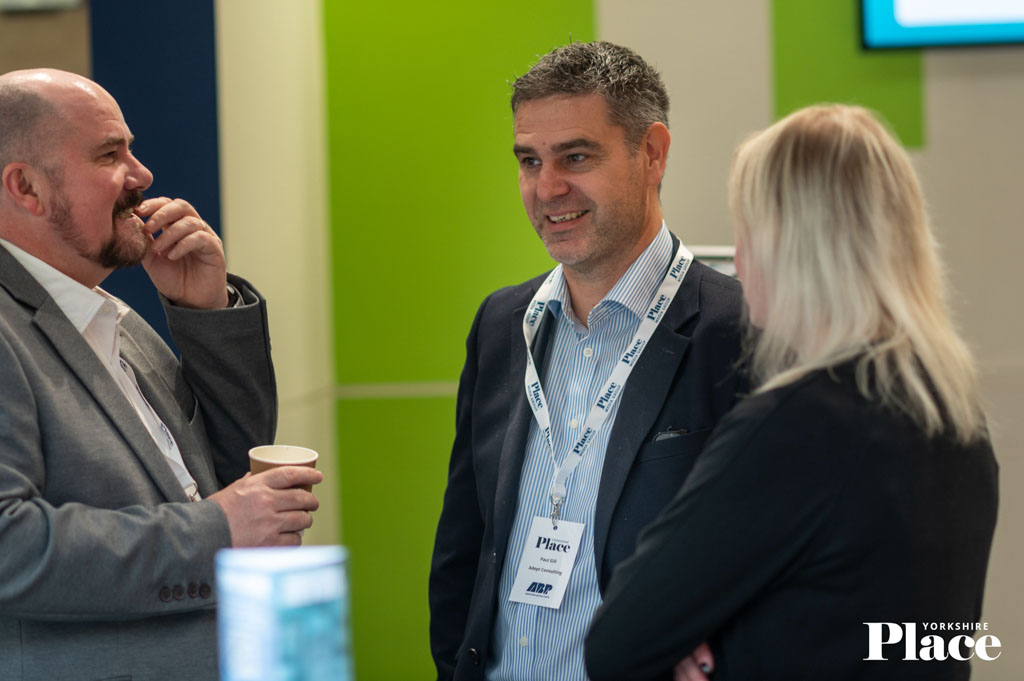
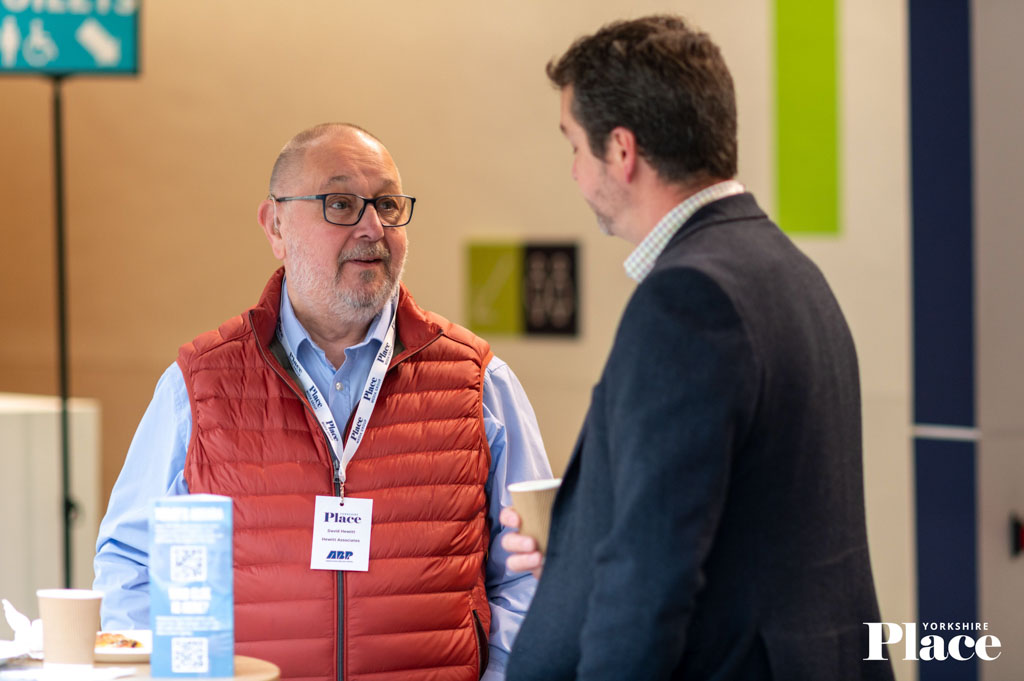
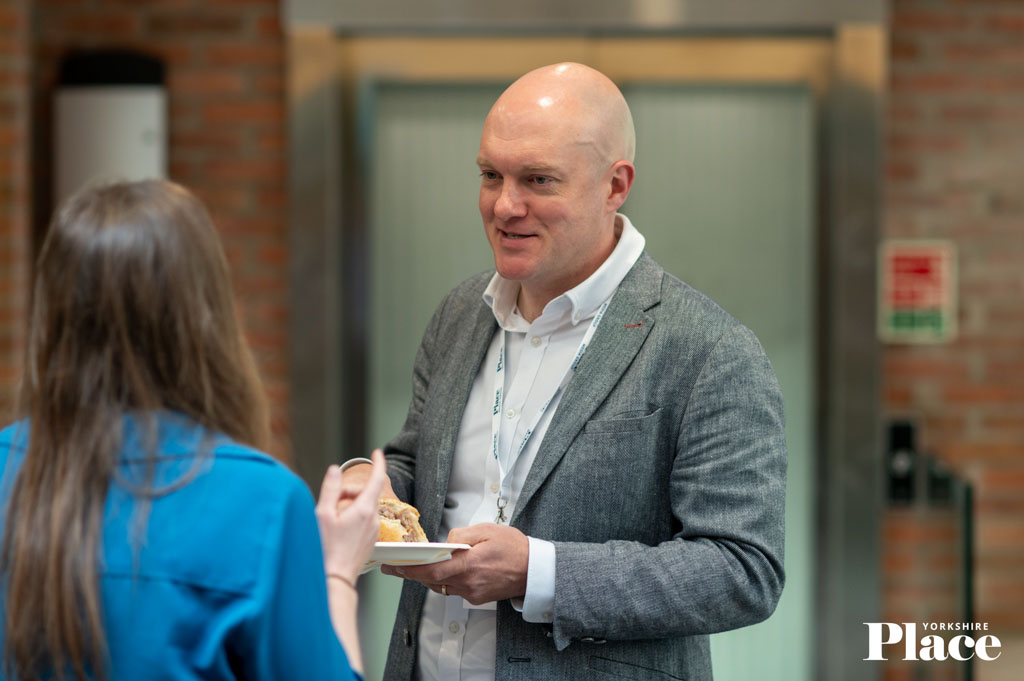
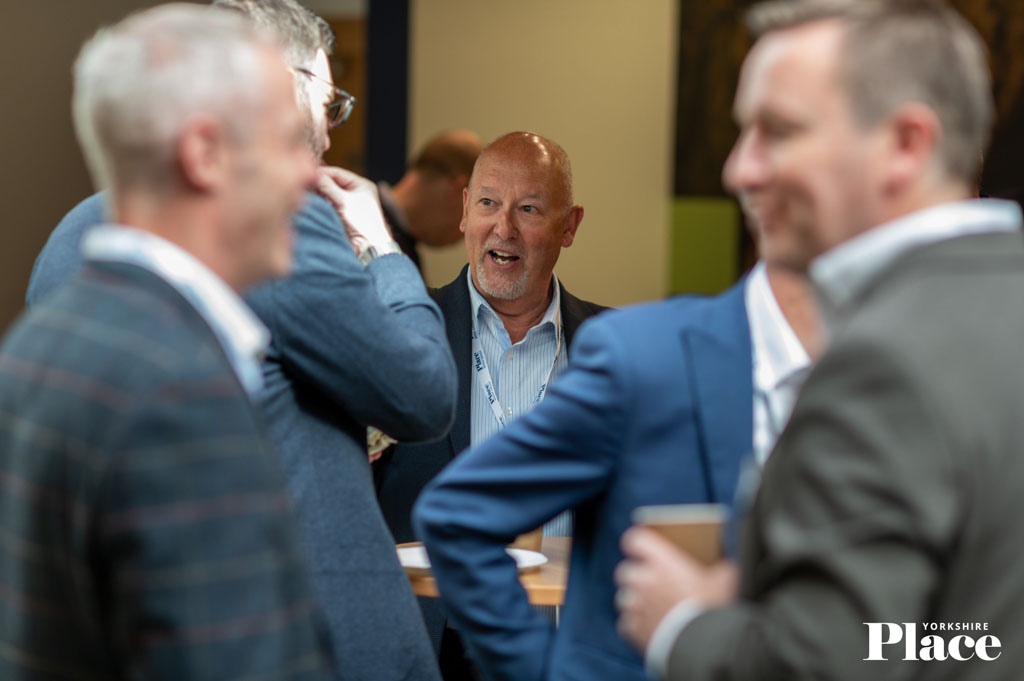
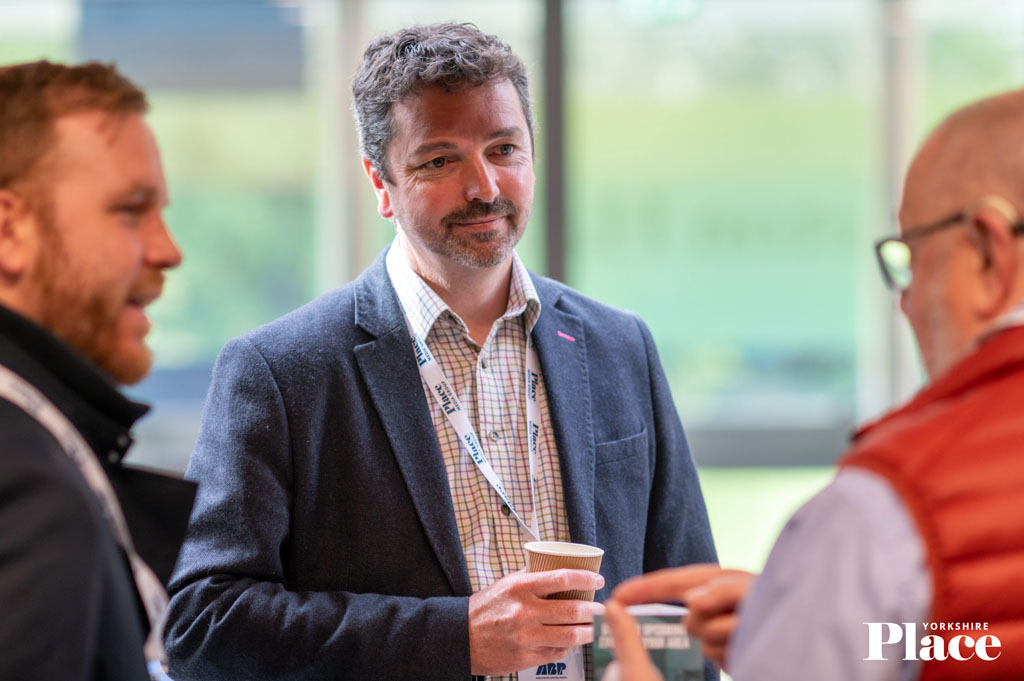
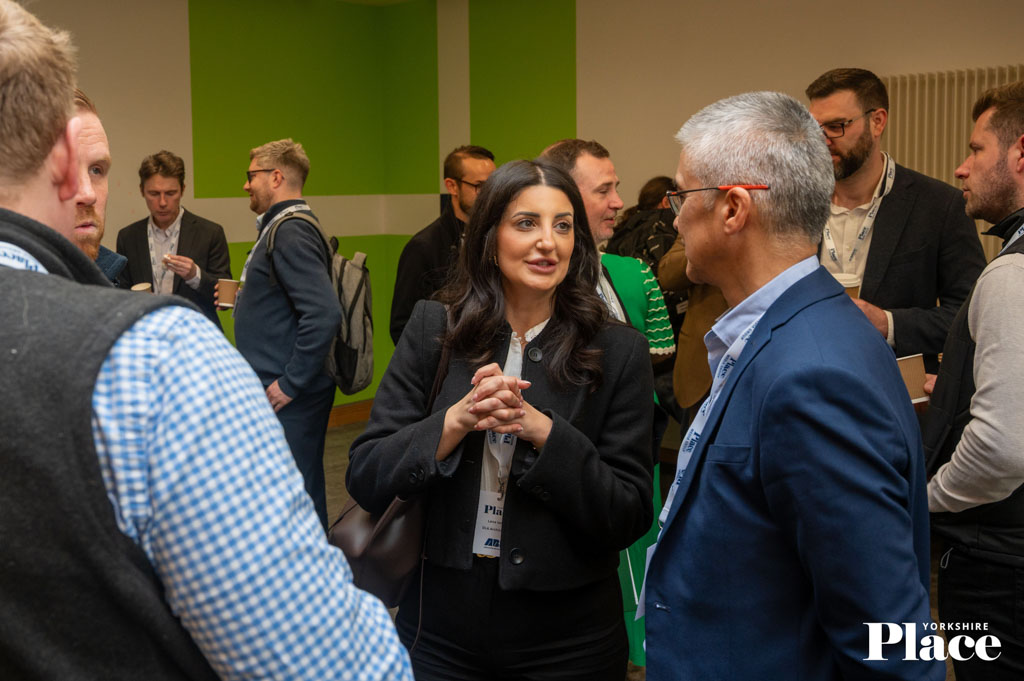
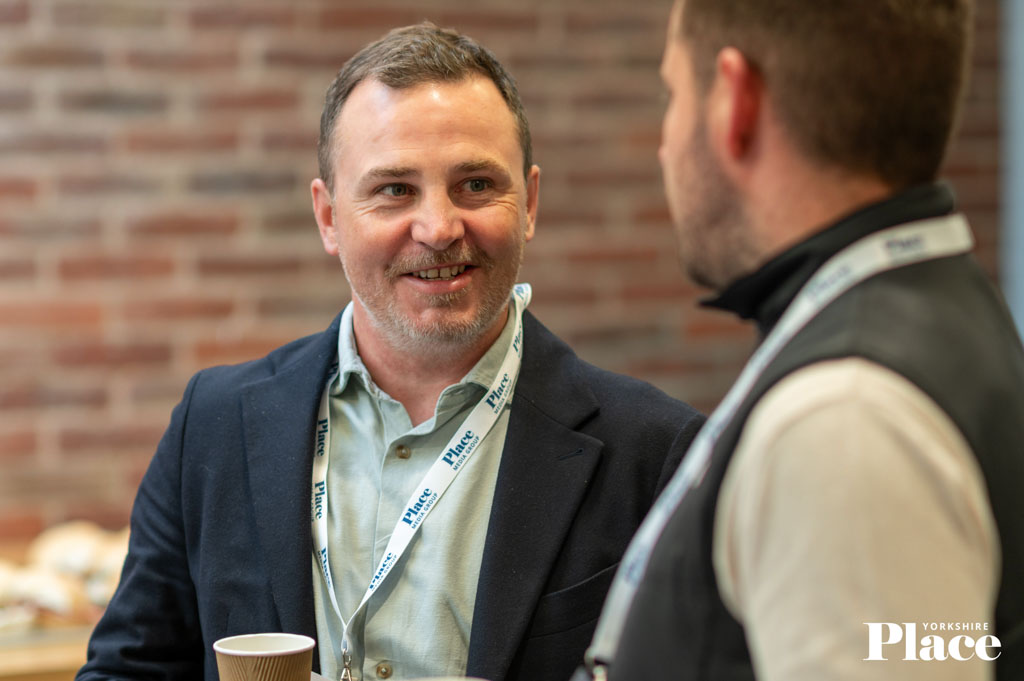
Held at the University of Hull last week and sponsored by Associated British Ports, the East Yorkshire Development Update highlighted growing confidence in the region’s ability to attract major industrial, manufacturing, and regeneration investment.
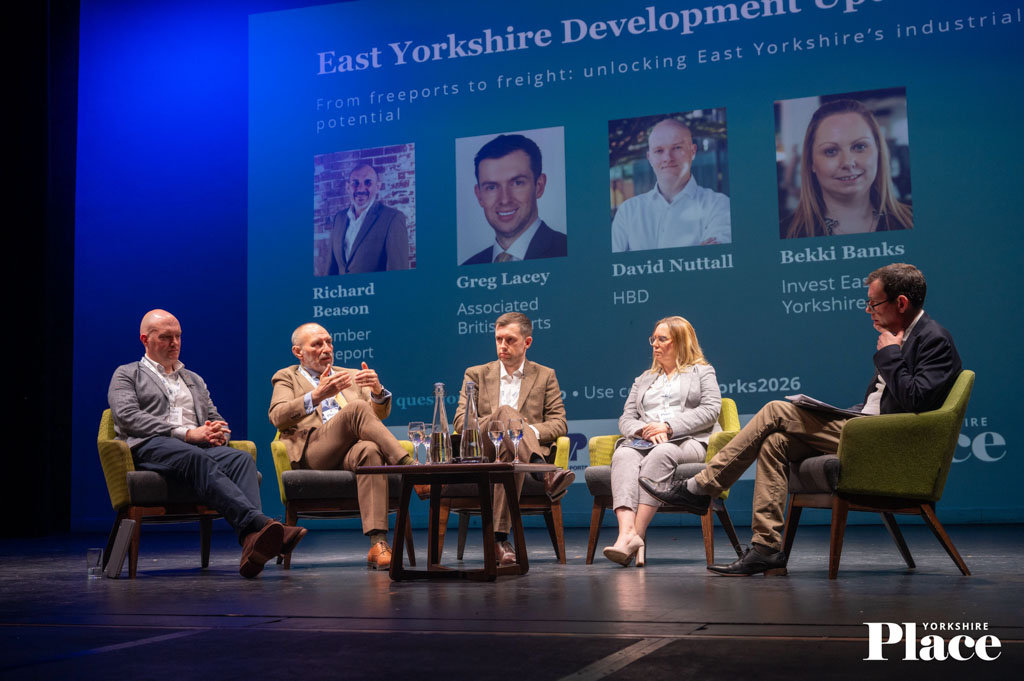
The first half focused on the region’s industrial strengths, including port connectivity, available development land, transport infrastructure, an established manufacturing base, and increasing collaboration between local authorities, the Humber Freeport, and regional partners. HBD’s 5.5m sq ft Freeport 36 development was highlighted as an example of the region’s potential and ambition.
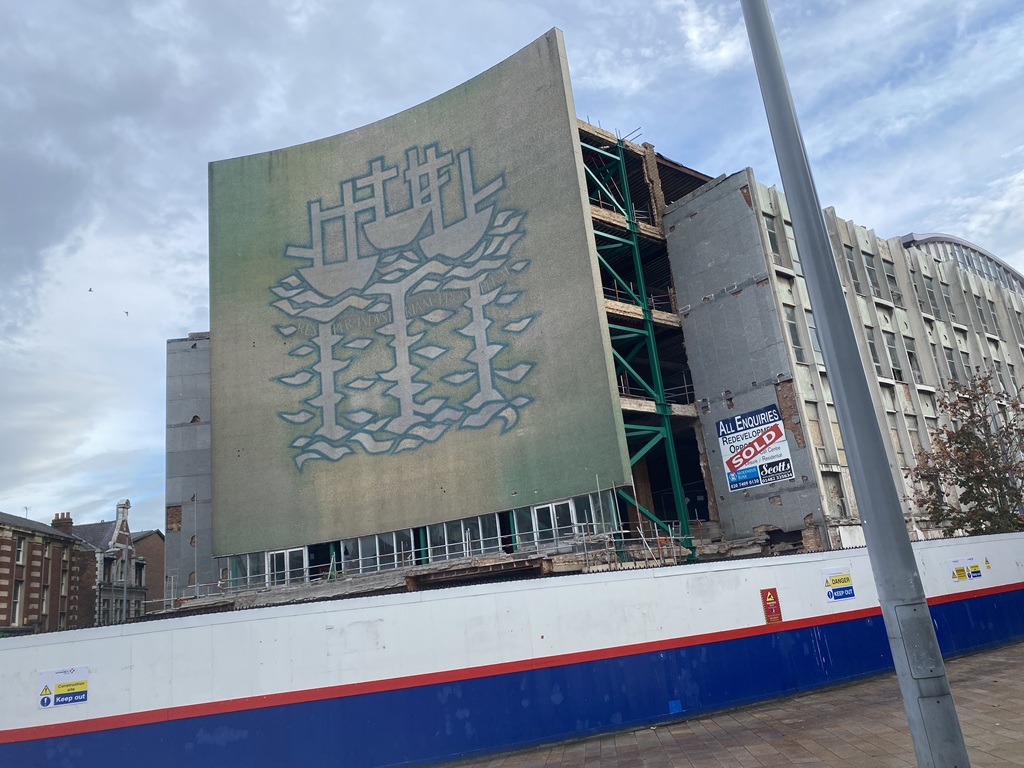
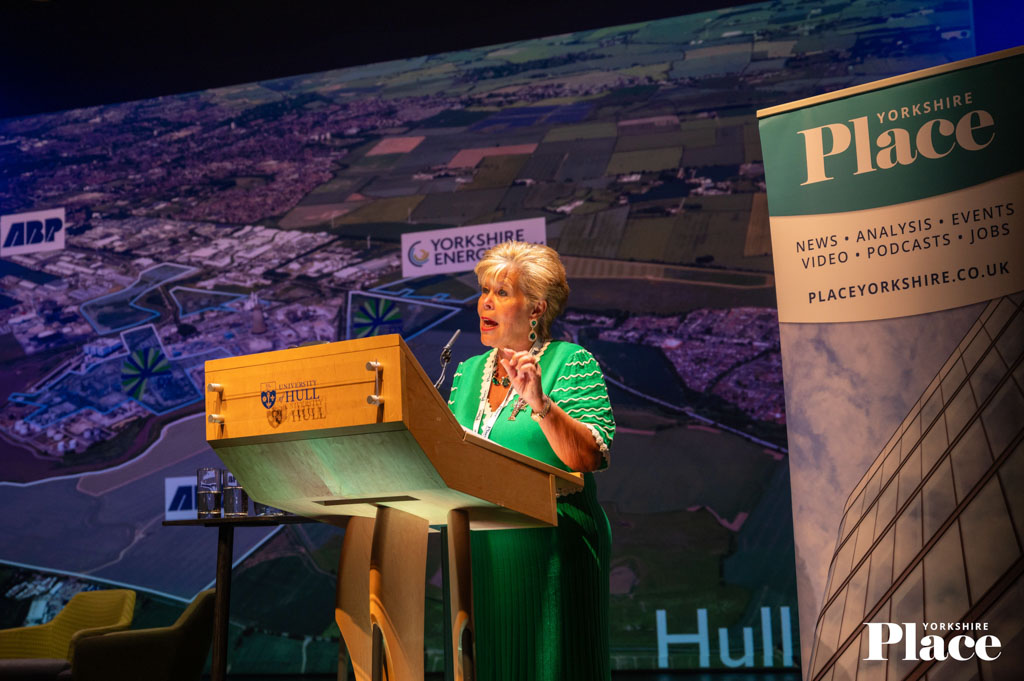
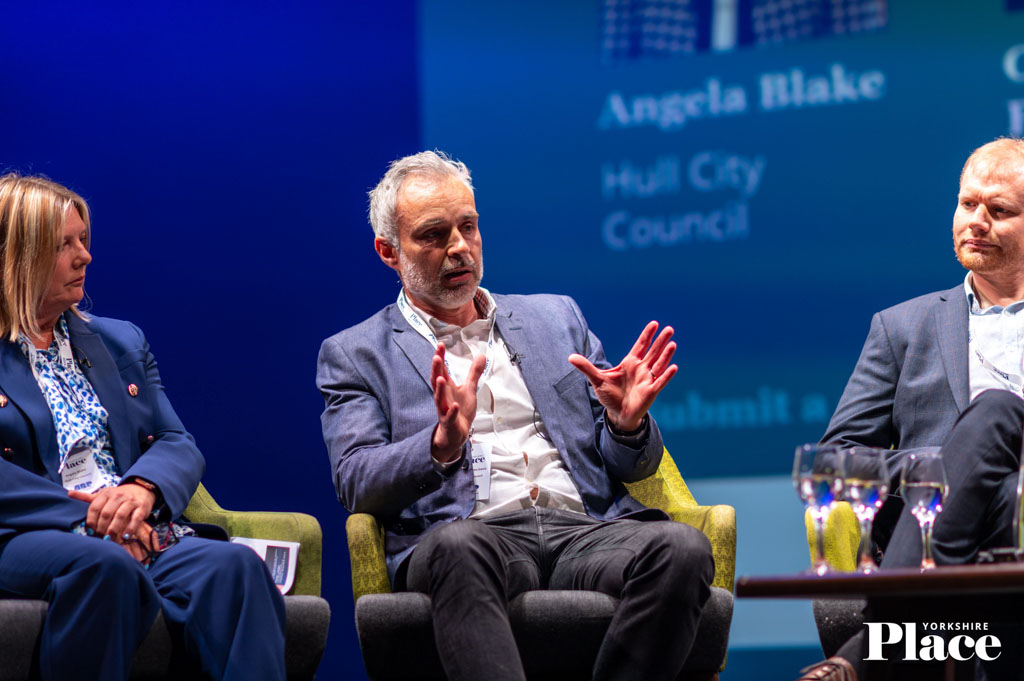
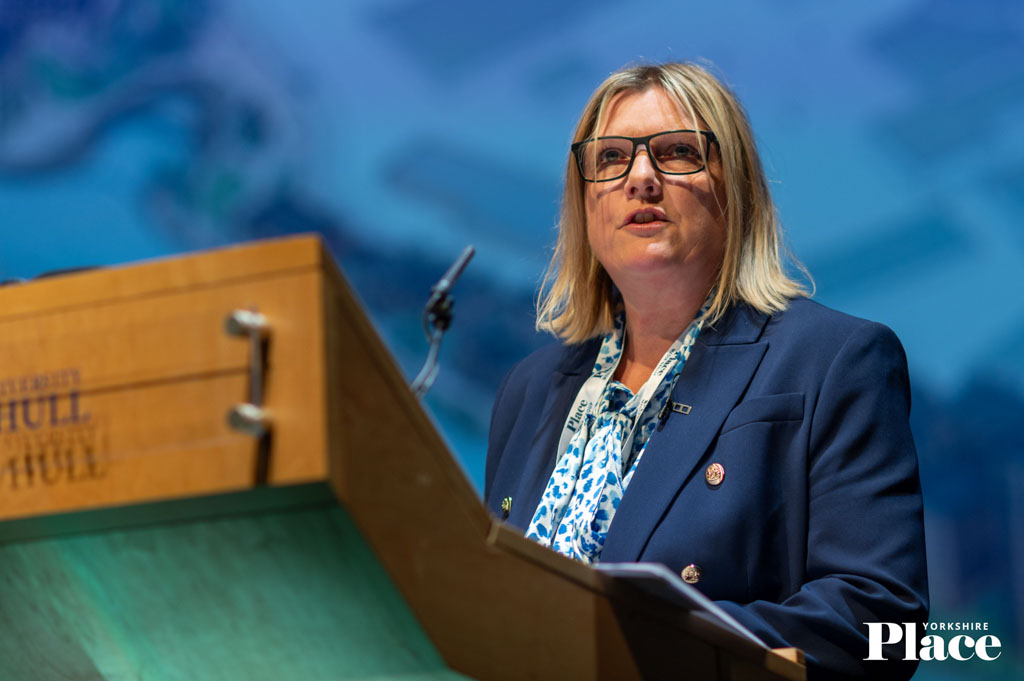
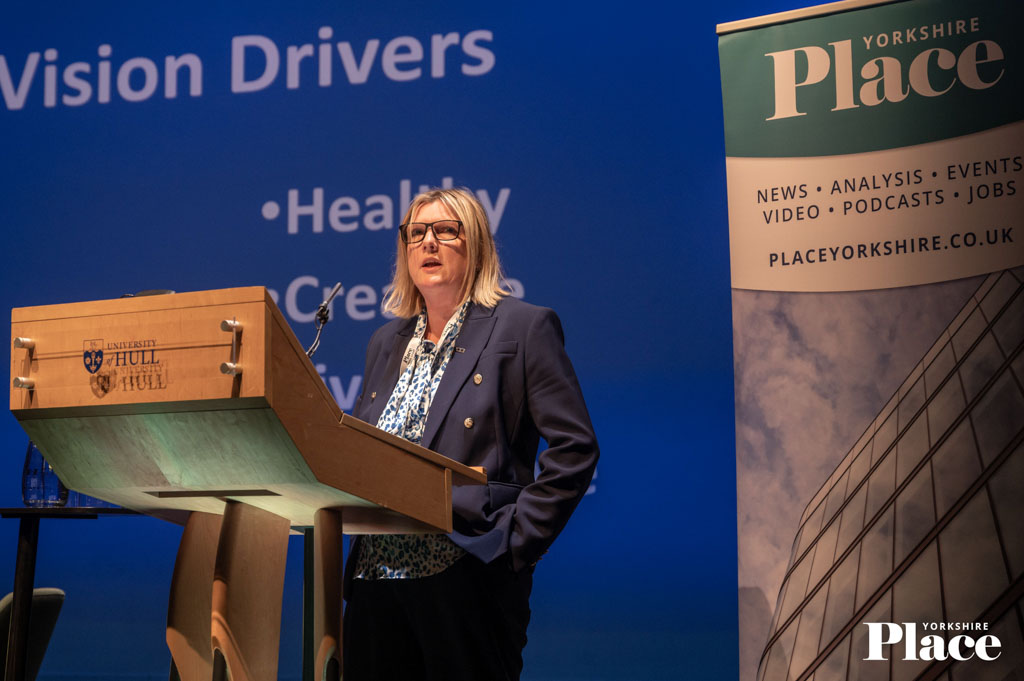
Alongside the industrial growth agenda, Hull’s regeneration ambitions formed a major focus of the event. Angela Blake of Hull City Council presented the authority’s long-term city centre vision, which aims to create a more sustainable, liveable, and family-friendly urban centre through a flexible approach to development and partnership working, with projects including East Bank, Albion Square, Queen’s Gardens and the Maritime project highlighted.
A recurring theme throughout the conference was the importance of collaboration and public-private sector partnership in unlocking development opportunities. While there was optimism about investor interest and the scale of projects emerging across the region, ongoing challenges around viability, infrastructure delivery, transport connectivity, grid capacity, and the pace of national government processes were highlighted, however overall, the tone was optimistic with East Yorkshire and Hull described as ambitious, collaborative and “open for business.”

Expert speakers:
- Anne Handley, Leader, East Riding of Yorkshire Council
- Richard Beason, head of investment, Humber Freeport
- Raife Gale, senior development manager for Yorkshire & North East, Muse
- Greg Lacey, head of property, Associated British Ports
- Tom Bridges, regional director, Homes England
- David Nuttall, director, HBD
- Bekki Banks, inward investment project manager – Goole, Invest East Yorkshire
- Cllr Paul Drake-Davis, cabinet member for regeneration and housing at Hull City Council
- Angela Blake, associate director – major projects & infrastructure, Hull City Council
- Owen Plummer, associate, Purcell
Key topics and themes
- Freeport 36 development in Goole: HBD outlined plans for the 5.5m sq ft Freeport 36 scheme at Junction 36 of the M62. The development is designed to accommodate large-scale industrial, manufacturing, and logistics occupiers, with flexibility for a wide range of building sizes and uses.
- Strength of East Yorkshire’s location: Speakers highlighted the region’s strategic advantages, including motorway access, proximity to ports, rail connectivity and access to a large workforce within commuting distance. The Humber’s position as a major logistics and manufacturing hub was repeatedly emphasised.
- The role of the Humber Freeport: The Freeport was described as an important catalyst for investment, offering incentives such as business rates relief, tax benefits and capital allowances. However, several speakers stressed that the Freeport benefits alone are not enough – infrastructure, planning readiness, and site availability remain the key factors in securing occupiers.
- Infrastructure and grid capacity challenges: Energy infrastructure emerged as one of the biggest barriers to growth. While the region has strong power generation capabilities, speakers said grid connectivity and the speed of upgrades are restricting development. There were calls for a long-term national energy and infrastructure strategy to support investment.
- Hydrogen, decarbonisation and clean energy: The panel discussed the Humber’s role in the UK’s energy transition, including opportunities around hydrogen production, carbon capture and sustainable aviation fuel. However, uncertainty around government policy and delays in national strategies were seen as holding projects back.
- Collaboration between local authorities and partners: One of the strongest themes throughout the session was the collaborative approach across the region. Developers and investors praised the joined-up working between local authorities, the Humber Freeport, inward investment teams and business organisations.
- The importance of devolution and regional leadership: Speakers discussed how the introduction of regional mayors and combined authorities could help raise the Humber’s profile nationally and strengthen its influence with government. Comparisons were made with the success of Manchester and Liverpool over the past decade.
- Building on regional strengths rather than copying others: The panel stressed that East Yorkshire should focus on sectors where it already has competitive advantages, including manufacturing, chemicals, energy, logistics and industrial supply chains, rather than attempting to replicate sectors associated with other regions.
- Skills, workforce and supply chains: The availability of skilled labour and established supply chains was seen as a major selling point. Speakers highlighted the region’s experience in manufacturing and engineering, alongside the role of SMEs supporting larger industrial sectors.
- Residential development and city centre living: A major theme was the drive to create more people living in the city centre through new housing developments, including affordable homes, townhouses and future build-to-rent schemes. The aim is to retain graduates, attract skilled workers and create a more vibrant and active city centre
- Changing role of retail and mixed-use city centres: The discussion acknowledged the decline of traditional retail and the need for city centres to evolve. Hull’s approach is increasingly focused on creating mixed-use destinations with leisure, hospitality, cultural attractions, and residential communities supporting smaller-scale retail activity.


























Upcoming events
9 June | North East Development Update | Newcastle
7 July | West Yorkshire Development Update | Leeds
10 September | South Yorkshire Development Update | Sheffield