


A city on the move | Q&A with Bradford
With more than £250m of regeneration projects delivered and Bradford’s year as UK City of Culture complete, the city is entering a new phase of growth. Ahead of the West Yorkshire Development Update in July, Place Yorkshire met with David Shepherd, strategic director of place, to discuss the city’s priorities and what success would look like by this time next year.
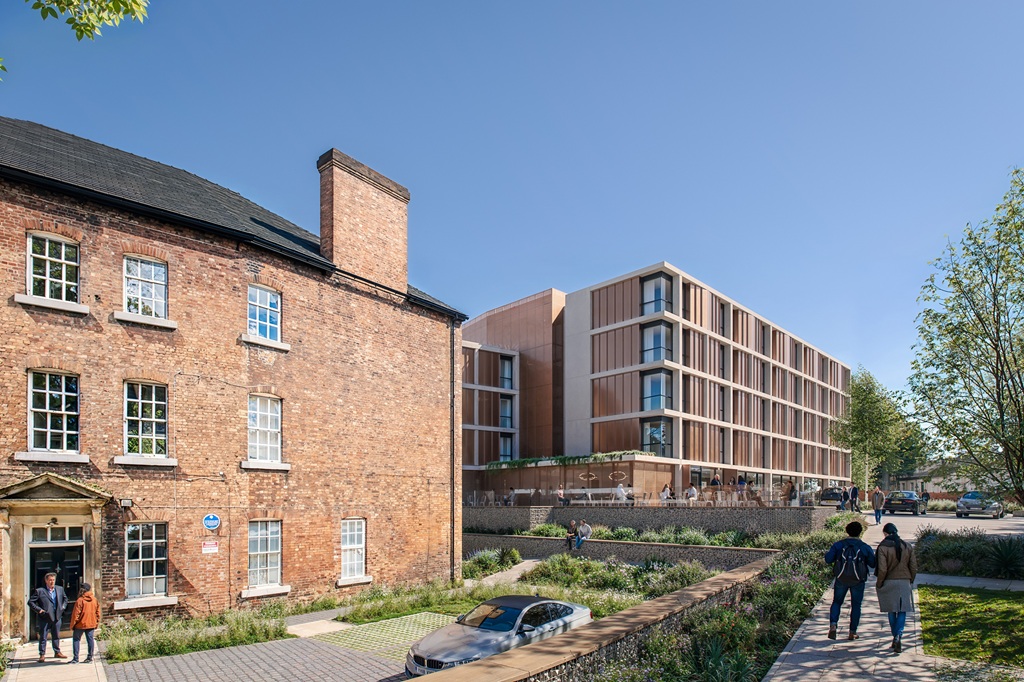
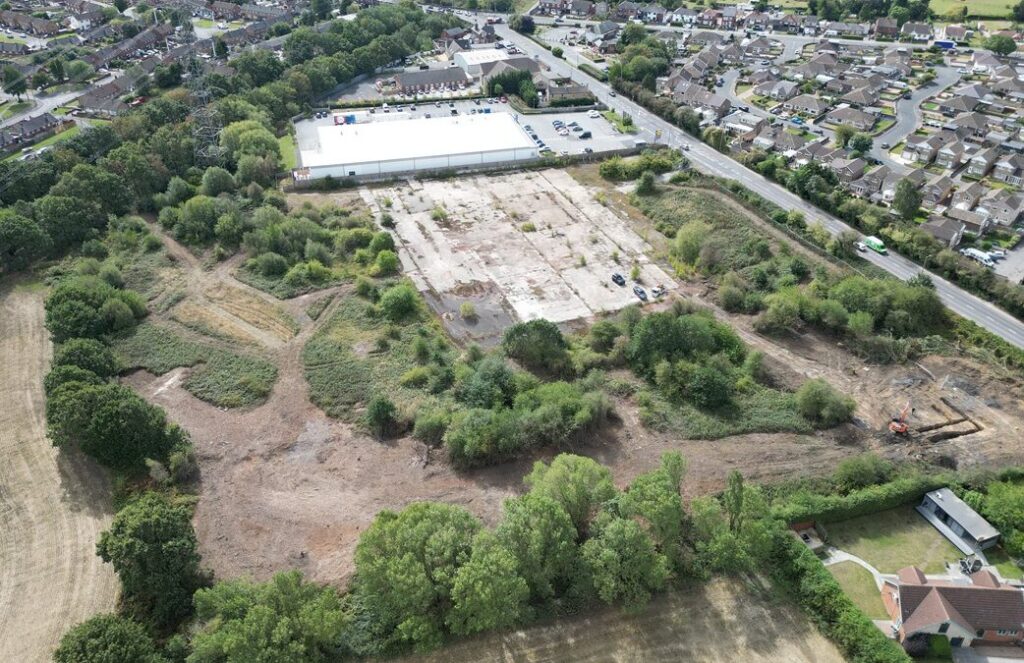
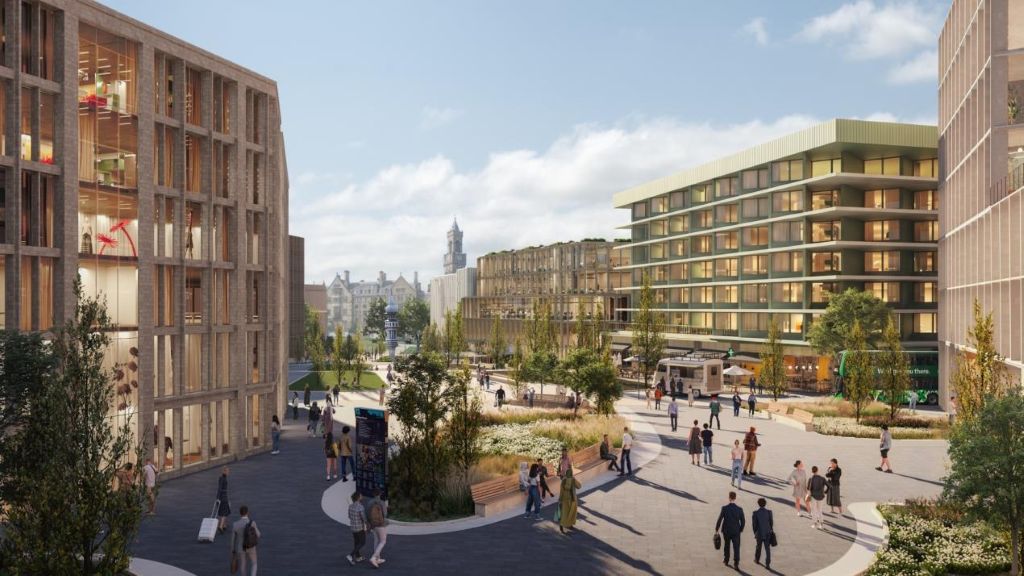
Bradford’s Southern Gateway is a 300-acre regeneration scheme, a project that could deliver up to 5,000 homes alongside new employment space, transport infrastructure, and public realm improvements as part of plans to double the size of the city centre. Global consultancy firm Arup has led a year-long programme of work on the emerging vision, which is billed as one of the UK’s largest regeneration initiatives and will be underpinned by major transport investment, including the West Yorkshire Mass Transit system and a proposed new rail station linked to the government’s £45bn Northern Powerhouse Rail programme.
What are Bradford’s main areas of focus at the moment?
Bradford is a city on the move, shaping its own future and delivering projects, and we also have a strong direction of travel. We know what we’re going to do next.
We spent much of last year putting the right strategies and policies in place to guide future development across both the city centre and our towns. These include a new council plan, district plan, growth plan, culture strategy, and climate action plan. Together, they clearly set out what people can expect from Bradford Council and its partners over the next 10-15 years.
A huge amount is happening and a huge amount has already been delivered. We’ve completed more than £250m of regeneration projects, and they’ve given us real credibility in the market. As a result, we’re now talking about what comes next, particularly the Southern Gateway and the major rail investment decisions that will shape Bradford’s future.
The Northern Powerhouse Rail funding decision is expected this summer. Will the Government simply decide yes or no, or will they also determine the level of funding?
It will be a gradual decision-making process across a number of elements. There are two key components: First, there are the faster connections to Manchester, eventually reducing journey times to under 30 minutes via Huddersfield. We want the Bradford-Huddersfield section delivered as quickly as possible rather than waiting for wider upgrades on the Manchester side of the network.
Second, there are faster connections to Leeds. A 12-minute journey between Bradford and Leeds would be transformative. The opportunity created by six trains an hour and such a short journey time is a genuine game changer in terms of commercial viability and economic growth. People could live in Bradford, where housing is significantly more affordable, in a city centre that now has some of the best public realm in the country, while working in Leeds and potentially Manchester in the future. That opens up the market considerably.
Would that be delivered through rail or through the proposed tram system?
It’s important to distinguish between two different projects. We’re talking about national rail connectivity through the Northern Powerhouse Rail programme, linking Bradford more effectively with Leeds and Manchester. Alongside that, we’re also talking about local connectivity through mass transit.
For example, the current train between Bradford and Leeds stops at several stations and takes nearly 30 minutes. A dedicated shuttle service taking around 12 minutes would be made possible through infrastructure improvements and fewer intermediate stops.
Mass transit would then provide local connections between communities across the Bradford and Leeds area, while the rail network would serve the larger city-to-city journeys.
We touched on the Southern Gateway scheme. Are the timelines becoming any clearer?
The Southern Gateway is really beginning to take shape now. The area has the potential to deliver new industrial land, new homes, and significant opportunities for growth. It’s effectively the expansion space for some of our densely populated inner-city communities, which are growing quickly while also facing some of the highest levels of deprivation in the country.
The Southern Gateway gives us the opportunity to create the right mix of housing, employment land, retail, and public realm that those communities need. A piece of work with Harworth has recently been completed, resulting in an outline masterplan for the Southern Gateway. That begins to show what we intend to build, where development could take place, and how the area will be structured spatially.
Ultimately, however, the pace and scale of development will be influenced by transport investment. Rail and mass transit are fundamental to unlocking the Southern Gateway and other sites along the route.
We are already looking at immediate next steps. The Chancellor’s recently announced Urban Densification Fund included allocations linked to South Bank Leeds and Bradford’s Southern Gateway, so we’re exploring how that can help accelerate early activity. That said, this is a long-term regeneration programme. The delivery of rail and mass transit infrastructure will significantly accelerate progress.
Do you have an idea of when you might appoint a lead developer?
We’ll need to think about the project in phases. The first phase will focus on the area where the Southern Gateway connects to the city centre, particularly around the proposed rail station and transport hub.
We’re already making progress on some key sites. For example, we’ve agreed a deal to bring the BRIT School to the former Jacob’s Well site. There are also opportunities around existing buildings such as Margaret McMillan Tower and the residential blocks at the bottom of Manchester Road.
Now that the masterplan has been completed, we’re engaging with businesses located within the Southern Gateway area about our regeneration ambitions and beginning to move those conversations forward.
Bradford’s year as UK City of Culture was last year. Have you already seen positive impacts from that?
Yes, absolutely. The full evaluation is still underway, but we’ve recently published an interim report that is beginning to demonstrate the impact and provide some initial figures.
When people talk about culture-led regeneration, there can sometimes be confusion about what that actually means; we were learning as we went, to some extent. What we’ve seen is that the City of Culture programme gave people the opportunity to tell their stories and participate in positive experiences.
The programme was broad and attracted significant participation from both Bradford residents and visitors from outside the district. By celebrating local stories and strengthening Bradford’s identity, we’ve changed perceptions of the city both internally and externally. As a result, Bradford is now approaching future regeneration and development challenges from a position of greater confidence and strength.
There must also have been a financial impact. Do you have any figures on investment and returns?
Bradford Council contributed £10m towards the City of Culture programme. That investment helped leverage a further £40m from government and partner organisations. That funding enabled us to deliver a major cultural programme and, importantly, to secure additional external investment that has helped reshape perceptions of Bradford.
We’ve also established a legacy programme to ensure the benefits continue over the next decade. This year alone, we’ve achieved roughly a five-to-one leverage ratio, with external organisations contributing significantly more than the council’s direct investment to maintain cultural activity.
Many of the projects delivered during the City of Culture year weren’t simply showcase events, they addressed wider issues including mental health, wellbeing, and the environment. For example, the Wild Uplands programme encouraged people to spend time outdoors in Bradford’s moorland landscapes and other creative programmes focused on mental health, with thousands of participants engaging repeatedly throughout the year.
These activities are delivering benefits that extend beyond culture alone. They’re helping improve wellbeing, increase physical activity and strengthen communities. When you begin to quantify those wider social benefits, the value becomes even more significant
Bradford Council has recently seen a change in political leadership. What impact do you think that will have on regeneration plans?
The first thing I’d say is that people in Bradford have wanted this type of growth for decades. Many residents have felt that progress in Bradford has been slower than in comparable places, so there is a huge appetite for growth. We’re now beginning to change perceptions, attract investment and demonstrate visible progress, and people want that momentum to continue.
Whatever political party is leading the council, the message from residents is clear: they want growth. All political groups, including Reform UK, whose members now lead the council, have publicly stated that growth is a priority. Council leader Stephen Place joined us at UKREiiF and spoke about his commitment to growing Bradford’s towns and city centre, supporting business, and attracting investment.
There’s also a strong focus on ensuring Bradford remains a place where young people want to stay, build careers and contribute to the local economy. From a growth perspective, despite political change, there is significant continuity around the overall direction of travel.
Finally, looking ahead to this time next year, what do you hope to have achieved?
I’d like to see significant progress on some of the major projects identified in our Growth Plan – I would expect the new Airedale Hospital project to be substantially further advanced. For City Village, I would hope that demolition work has been completed, development plots have been prepared, and phase one housing delivery is underway, including the first 100 homes on the Chain Street and Oastler Market sites.
I’d also like to see a positive funding decision on the new rail station, along with much greater clarity around its design, delivery timescales and the timetable for faster connections to Leeds. Finally, I’d hope to see further progress on the mass transit programme and a clearer picture of how it will be delivered.