



Purposeful place-making | Q&A with Jonathan Maud
Place Yorkshire met with the chairman of Rushbond on site in Wakefield’s Civic Quarter to discuss mixing modern homes with heritage assets and creating places that matter.
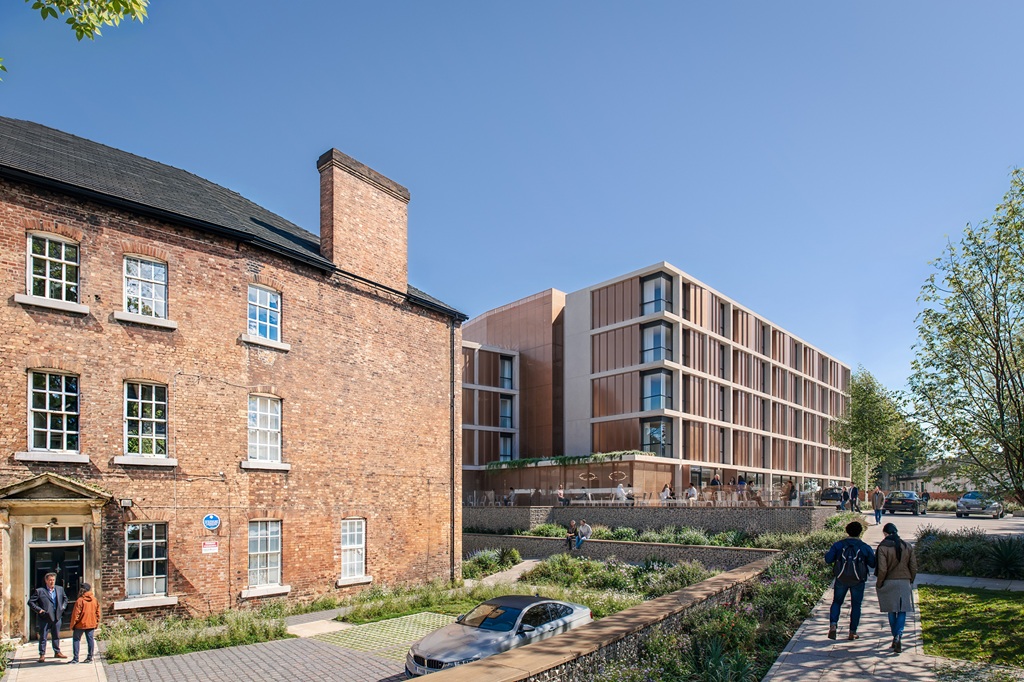
Rushbond’s Wood Street Collection is a new 63-home neighbourhood in the centre of the city, created by building townhouses on former council car parks and converting the old police station into apartments. The developer has also just started work on renovating the former courthouse into a community hub for residents. Spread over an area of only around two acres, it’s an example of how a small scheme can have maximum impact on a community.
Q: Can you give us a bit of background on Rushbond and the kind of work you do?
Absolutely. Rushbond has been working across the Leeds city region for more than four decades. We’ve always had a deep affinity for heritage buildings and spaces with history, character, and potential. Over the years, we’ve refurbished and reimagined many such buildings, particularly in town and city centres. The work often involves taking an old, sometimes overlooked structure and finding ways to bring it back to life, sometimes for a completely new use.
We love the challenge and creativity that comes with reimagining existing buildings. There’s something really exciting about taking a space and thinking about how it could serve a different purpose – how it might inspire new uses, new life, and positive ripple effects in the surrounding area. It’s not just about preserving the past, it’s about creating something meaningful for the future.
Q: Why Wakefield? What attracted you to this location?
We’ve always liked Wakefield. Although it’s technically a city, it has a very intimate, almost small-town feel. There’s a strong sense of community – everyone knows everyone. And there’s a surprisingly rich creative undercurrent here. Yes, you have institutions like The Hepworth and Yorkshire Sculpture Park, but beyond that, there are writers, artists, designers, and makers all contributing to this creative energy.
When we pulled our ideas together for this development, we talked a lot with the community and did a lot of consultation, which helped shape our direction of travel. What we saw here was underpinned in a way by the old Crown Court, next to the Town Hall. It’s played so many interesting parts over the years, and we imagined it as an anchor-piece and a legacy-piece for the wider community. From there, we looked at surrounding vacant sites, like the old police station and offices on Wood Street, and saw the opportunity to do something really special by blending old with new.
Click on any image to enlarge

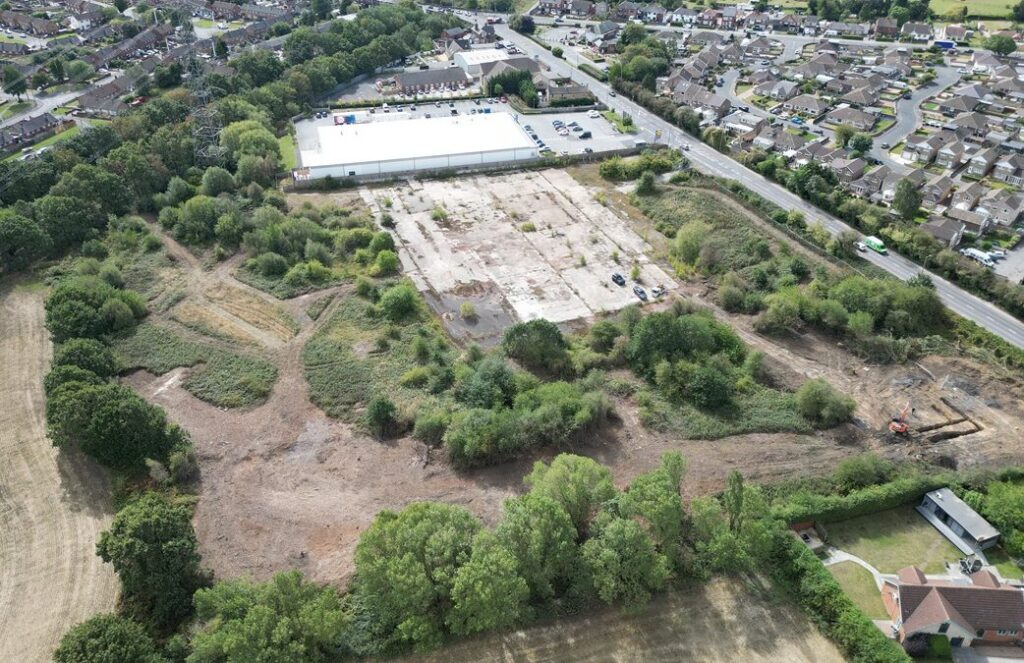
- Aerial view showing the two-acre plot

- Community space at Gill's Yard

- The mural and site view
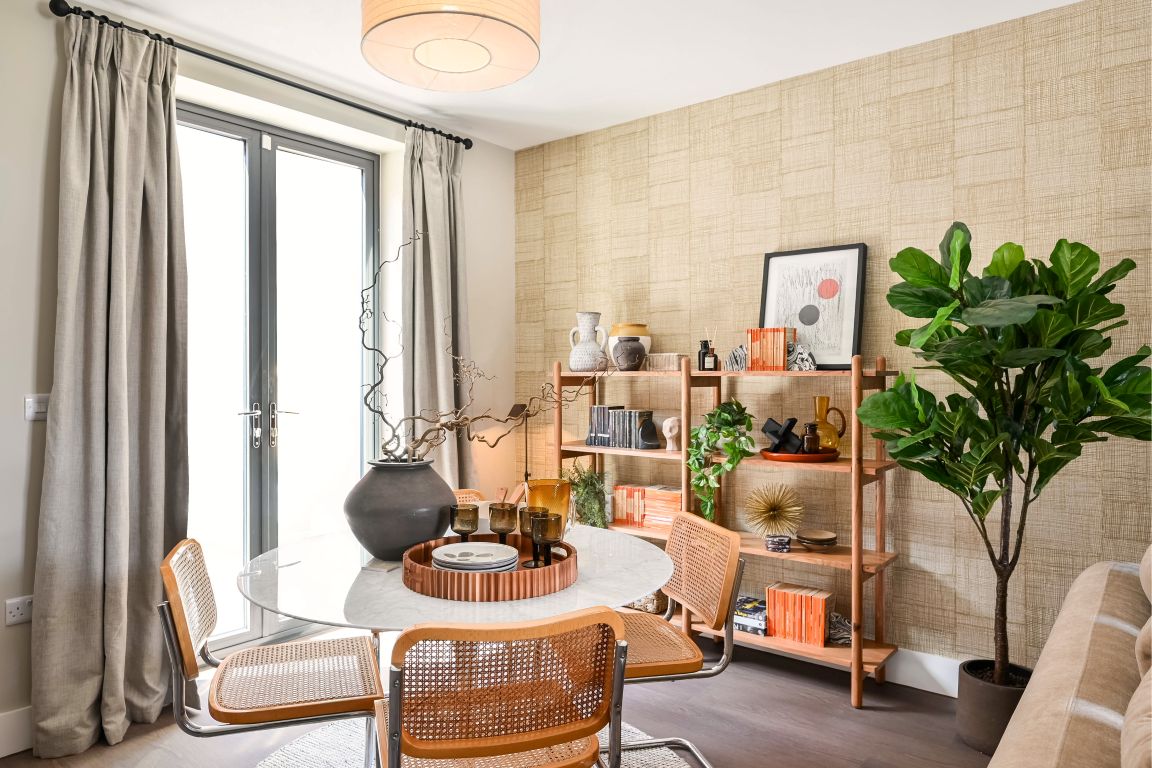
- Gill's Yard interior
Q: How does Wakefield stack up in terms of accessibility and liveability?
It’s fantastic. Wakefield is incredibly well-connected. Leeds is just a short train ride away, and London isn’t far either. That makes it ideal for people who want to live in a vibrant town centre but commute when needed. We’ve designed this scheme to offer something for everyone, from one-bedroom apartments to family homes.
The apartments in the old police station are especially interesting because of the generous spaces and volumes – they’re unlike most modern flats. Even a one-bedroom apartment feels spacious and characterful. Then we have a series of new-build homes: nine two-storey townhouses, twelve three-storey family homes, and eight more two-storey homes, all with slightly different designs.
We worked with a Liverpool-based design practice called Shed KM, known for their innovative urban work. They’ve helped us create something distinct, using varied brickwork and detailed finishes to deliver a really thoughtful, contemporary aesthetic.
Q: There seems to be a strong focus on community – was that intentional from the outset?
Absolutely. That was core to the concept from day one. We’ve integrated shared gardens, a greenhouse, outdoor seating, and dining spaces. The idea is to encourage people to interact and to build relationships. Our hope is that someone might start by renting an apartment, and later move into one of the houses, building a long-term life here.
It’s about creating a place people really want to live. Where they feel safe, connected, and valued. When people feel ownership over where they live, that’s when you know you’ve got something special. Fundamentally, it’s all about the importance of community. From the point of view of quality of life, we all know that we would like to live somewhere where we like our neighbours.
From a commercial point of view, with the 33 BTR apartments, the very thing we want to achieve is to find lovely people to live there, and we want them to live there a long time; we want them to feel that it’s their home and to invest in it. That’s lovely for us, and it’s also success for us.
Q: Heritage projects often bring financial challenges. Does adding the new-build housing make it more viable?
That’s spot on. The sheer cost and the viability of heritage reimagining in isolation is a very big ask. The construction costs are similar whether you’re in Wakefield or central London, but property values in the North are lower, so the margins are tight. That’s why blending heritage with new-build is so important. The new homes effectively subsidise the heritage elements. It’s a delicate balance, but it’s what allows us to do something meaningful while keeping it viable.
Click on any image to enlarge
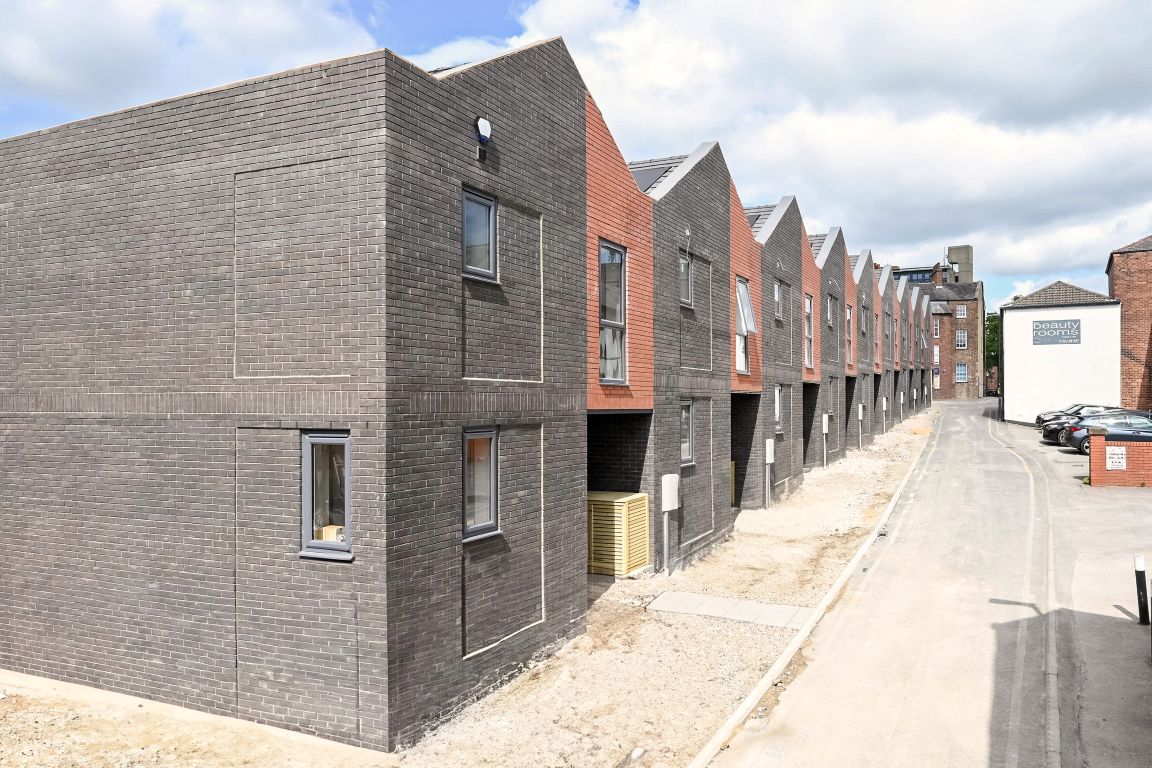
- Yet-to-be-completed Wood Street housing
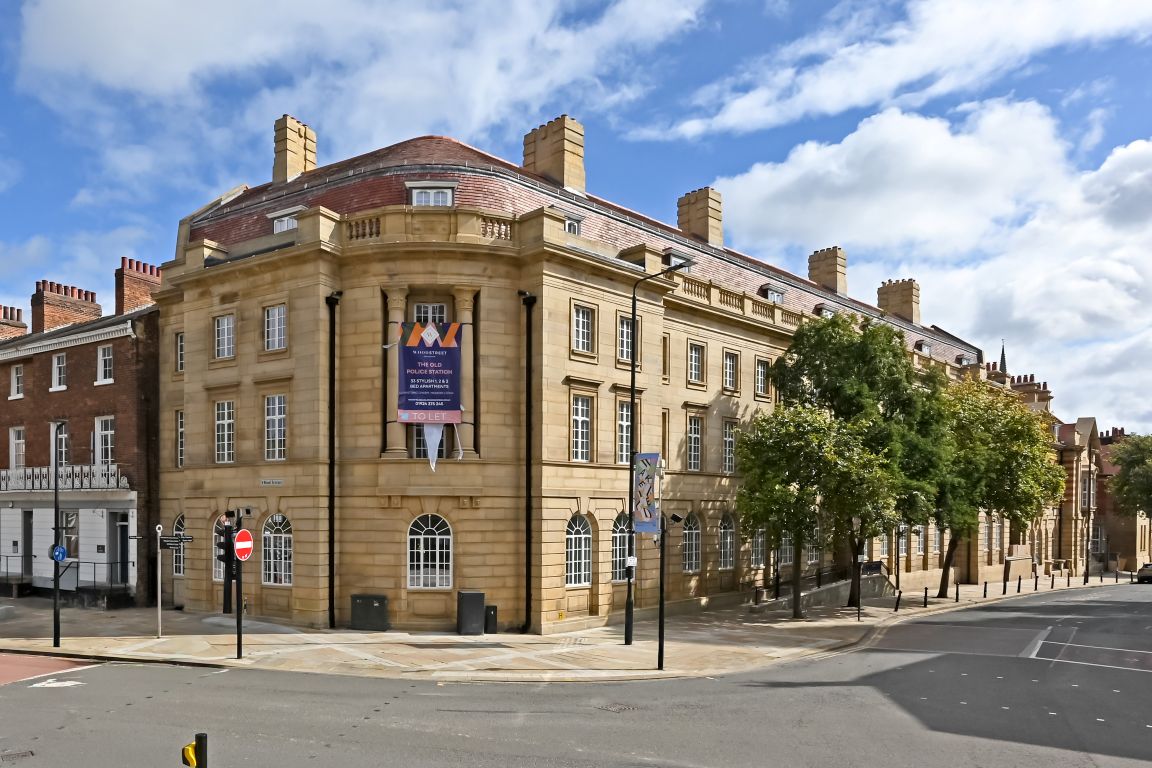
- The former police station

- The former Court House. Credit: Stevie Campbell
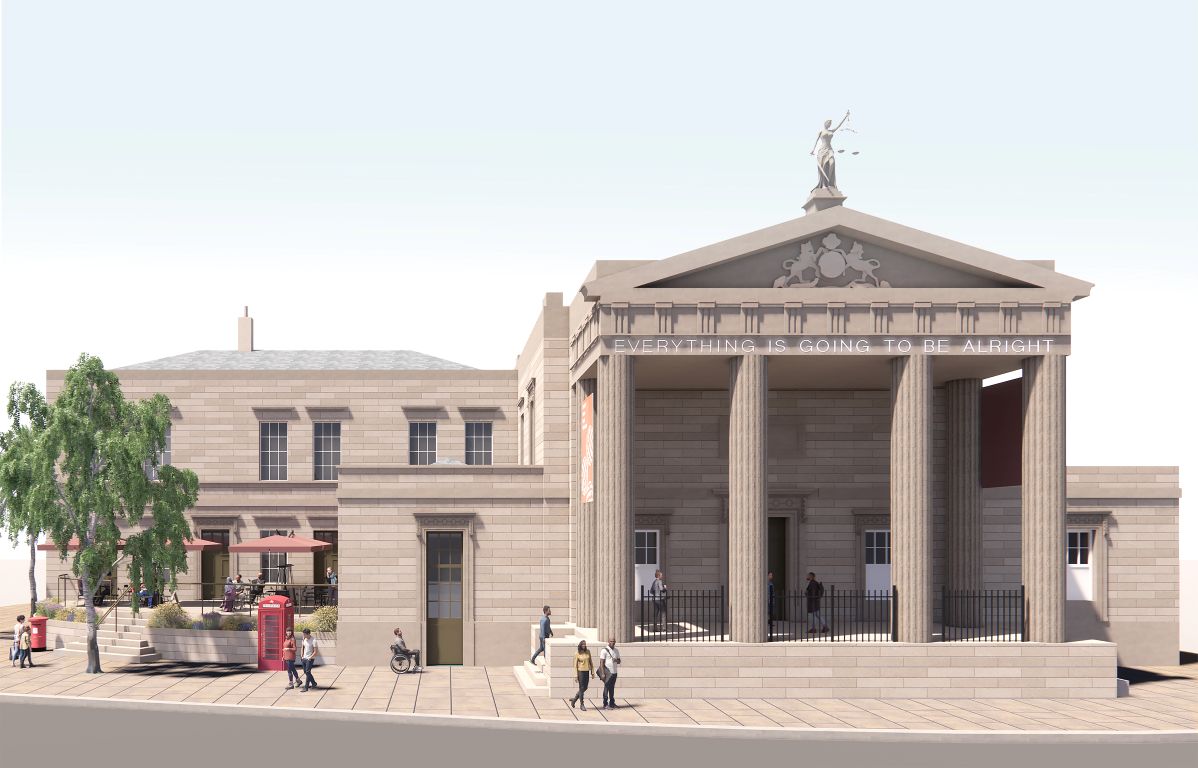
- CGI showing the renovated Court House
Q: Are there other projects you’re working on elsewhere in Yorkshire?
Yes, we’ve got a few on the go. We’re building homes just outside our usual geography, in Sedgefield, County Durham. And we’re working on a heritage refurbishment in Harrogate – the old Harrogate Advertiser building on Montpellier Parade. It’s a mixed-use scheme with shops on the ground floor and apartments above. It’s right in the centre of town, just below Betty’s.
Q: Rushbond also developed Brewery Wharf in Leeds – can you tell us about that?
Brewery Wharf has been a 20-year project. When we first took it on, it was mostly derelict – the old Yorkshire TV building had closed, and surrounding sites were vacant. But the location was fantastic, right by the Calls and the river, and close to the station.
Today, it’s a thriving neighbourhood with 650 apartments, a hotel, offices, bars, and restaurants. Our latest opening is Brewery Wharf Tavern, run by Ed Mason’s team – the same group behind the White Cloth Hall in Leeds. They bring a strong community focus, which aligns with what we’re trying to create, which is a proper local pub with heart.
Q: Coming back to Wakefield, what’s the timeline for the old courthouse building?
We expect the main building works to finish by late summer or early autumn next year. We’re already planning how it will be used – for hosting events, food and drink offerings, and working in partnership with local colleges and community groups. Some uses will be commercial to help sustain the running costs, while others will be freely available to the community.
Q: And is there more to come beyond that?
Yes – the old Coroner’s Court at 71 Northgate is the next phase. We see it as a kind of sister building to the courthouse. We’re exploring ideas like maker spaces, a small local radio station, maybe even a crèche. It has a garden, so there’s potential for a really diverse range of sustainable, community-serving uses.
These aren’t short-term projects. This development has already taken six or seven years, and it’ll likely be a decade before it’s fully complete. But that’s what it takes to create something lasting – something that’s genuinely part of the city and its future.
Project team:
- Clarion Solicitors
- Group Ginger
- Keepsake Construction
- Linley and Simpson
- Mulberry Construction Group Limited
- shedkm
- The Harris Partnership
- Wakefield Council
- West Yorkshire Combined Authority